


The New Face of Dairy
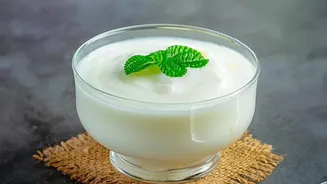
Not long ago, the choice was simple: toned, full-cream, or double-toned milk. Today, shelves are stocked with products that were once niche, if available at all. Greek yogurt, which offers two to three times the protein of traditional dahi, has become
a mainstream item, moving from premium metro stores into Tier-2 and Tier-3 cities. Brands like Epigamia, which pioneered the category, now compete with dairy giant Amul, which is making high-protein options more affordable. But it doesn't stop at yogurt. Consumers can now find high-protein buttermilk, lassi, fortified paneer with up to 60g of protein per pack, and even protein-enriched milkshakes and ice creams. These aren't just supplements in disguise; they are familiar formats upgraded to meet new nutritional demands.
Why the Sudden Thirst for Protein?
This trend is fueled by a perfect storm of factors. A growing health consciousness, accelerated by the pandemic, has more Indians paying attention to their nutritional intake. Combined with rising disposable incomes, urbanisation, and the influence of fitness culture, consumers are actively seeking out foods that do more than just fill them up. The demand is clear: people want convenient, ready-to-eat options that align with their wellness goals. While a large percentage of Indians remain protein-deficient, awareness is growing. A recent survey showed that nearly half of consumers now include protein in every meal, and many actively track their intake. Dairy, a trusted and integral part of the Indian diet, offers the perfect vehicle to deliver this sought-after nutrient without asking consumers to radically change their habits.
A Value-Added Business Strategy
For India’s dairy industry, the world's largest milk producer, this shift is a massive business opportunity. The focus is moving from simply selling high volumes of liquid milk to creating high-margin, value-added products. Items like cheese, fortified milk, and Greek yogurt offer better profitability than plain milk. This evolution is critical for the industry's growth, transforming the sector from a commodity-driven market to a brand-led one. The Indian milk protein market was valued at over USD 400 million in 2024 and is projected to grow significantly, with some estimates predicting it will reach over USD 880 million by 2033 at a CAGR of 9.2%. This growth is attracting investment from established players like Amul and Nestlé, as well as startups, all competing to capture a piece of this lucrative segment.
More Than Just a Metro Trend
While the high-protein trend started in urban centres, it is steadily expanding. The rise of quick-commerce platforms has been a game-changer, making cold-chain products like Greek yogurt accessible to a wider urban audience. Simultaneously, major cooperatives are leveraging their vast distribution networks to push these products into smaller towns and semi-urban areas. Amul, for example, is making its protein-enriched buttermilk and lassi available far beyond the metros, helping to normalise the idea of fortified dairy for a broader consumer base. This expansion is crucial, as it suggests the trend has the potential for long-term, nationwide adoption rather than remaining a niche for the urban elite. The market for value-added dairy is expected to sustain steady growth as it penetrates deeper into the country.