



A quiet revolution is reshaping India’s economic map. Beyond the bustling metros, smaller Tier-2 and Tier-3 cities are becoming the new engines of job growth, powered by the rapid expansion of retail supply chains and a strategic shift in hiring.
The E-commerce Boom Reaches Every Corner
For years,
the story of India's e-commerce growth was a tale of big cities. Today, that narrative is changing. A significant and rising share of online demand now comes from non-metro areas like Lucknow, Jaipur, Coimbatore, and Nagpur. This is driven by deeper internet penetration, affordable smartphones, and a growing aspiration for the same convenience and product access enjoyed in larger urban centers. However, the traditional supply chain model, which relies on massive warehouses on the outskirts of metros, is ill-equipped to serve these geographically dispersed customers efficiently. The challenge for retailers is no longer just about selling online; it's about delivering quickly and reliably to every pin code.
The Rise of the Hyperlocal Model
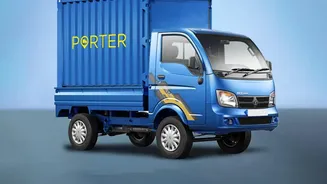
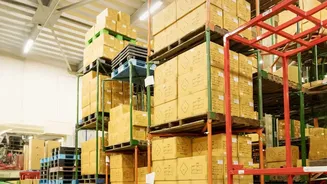
To solve the last-mile delivery puzzle, companies are decentralizing their logistics. Instead of shipping from one giant hub, they are establishing networks of smaller micro-fulfillment centers (MFCs) and sortation hubs within or near Tier-2 and Tier-3 cities. This 'hyperlocal' strategy turns existing stores into mini-distribution centers and brings inventory closer to the end consumer. The benefits are clear: dramatically reduced delivery times (sometimes to just a few hours), lower transportation costs, and improved customer satisfaction. These smaller cities are ideal for this model, offering more affordable real estate and a ready workforce, making them the new strategic epicenters for logistics networks.
Why Temporary Hiring is the Perfect Fit
This logistics expansion is creating a surge in jobs, but with a specific focus on temporary or 'gig' workers. Companies prefer this model for several strategic reasons. Firstly, it provides immense flexibility. Retail and e_commerce demand is notoriously cyclical, with massive peaks during festive seasons and sales events. Temporary staffing allows companies to scale their workforce up or down to match this fluctuating demand without the long term financial commitments of permanent hires. Secondly, it is a cost effective solution. It reduces overheads related to benefits and allows companies to convert fixed labor costs into variable ones. This agility is crucial in a competitive market where controlling operational expenses is key to profitability.
A New Landscape of Opportunity
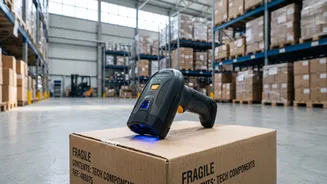
The boom in local supply chains is creating a diverse range of roles. While delivery partners are the most visible, the demand extends much further. New fulfillment centers require warehouse managers, inventory planners, pickers, packers, sorters, data analysts, and IT support staff. This is transforming the employment landscape in smaller cities, creating formal job opportunities with structured salaries and clear career paths outside of traditional metro hubs. Reports indicate that sectors like retail, e_commerce, and logistics are expected to create significant opportunities, with hiring from Tier -2 and Tier -3 cities having increased substantially in the last couple of years.
The Road Ahead : Challenges and Potential
While this trend offers a powerful economic boost to smaller cities , it also brings challenges . The reliance on temporary or gig work raises concerns about job security , income stability , and the need for a better social safety net for workers . Studies show that while flexibility and earning opportunities are major attractions for workers , there is a growing expectation for benefits like health insurance and income support . For this growth to be sustainable , companies and policymakers will need to address these issues . Integrating these emerging job markets into national labor monitoring and encouraging skill development will be crucial for ensuring that this economic shift benefits everyone in the long run .