




The Great Indian Breakfast Debate
Choosing the right breakfast can set the tone for your entire day. For many, the decision boils down to convenience and comfort. Semolina (rava or suji) toast, often prepared as a quick upma-style topping on bread, is a household staple. It's fast, familiar,
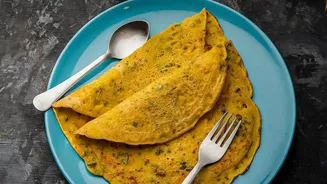
and filling. On the other hand, the moong dal chilla, a savoury pancake made from lentils, is a beloved street-food classic and a weekend treat. While both are delicious, a closer look at their core ingredients reveals a significant difference in their nutritional offerings, especially when it comes to one crucial macronutrient: protein.
A Tale of Two Core Ingredients
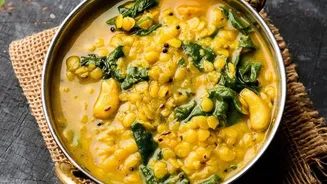
At its heart, the comparison is between a grain and a legume. Semolina is a coarse flour made from durum wheat. It is primarily a source of carbohydrates, which provide energy. While it does contain some protein—roughly 10-13 grams per 100g—and is often enriched with B vitamins and iron, its main role is to provide fuel. Moong dal, or split and husked mung bean, is a different story. As a member of the legume family, its primary nutritional claim to fame is its high protein content. Uncooked moong dal contains a powerful 24 grams of protein per 100g. This fundamental difference is the starting point for why a chilla made from dal is nutritionally superior to a toast made from semolina.
The Protein Advantage
The headline claim holds true: a street-style moong dal chilla delivers a significantly higher protein punch. A single serving of moong dal chilla can provide anywhere from 14 to 15 grams of protein. This is because its very foundation is protein-rich lentils. In contrast, plain semolina toast's protein content is much lower and comes from the wheat-based semolina and the bread itself. A protein-rich breakfast helps with satiety, keeping you feeling full and satisfied for longer, which can prevent mid-morning cravings for unhealthy snacks. It is also essential for muscle repair and maintenance, making the chilla an excellent post-workout meal.
Beyond Protein: Fibre and Blood Sugar
The benefits of moong dal chilla don't stop at protein. Moong dal is an excellent source of dietary fibre, a nutrient crucial for digestive health. A single cup of cooked moong dal can provide a substantial portion of your daily fibre needs. Fibre helps regulate digestion and also plays a vital role in managing blood sugar levels. Moong dal has a low glycemic index (GI), meaning it releases sugar into the bloodstream slowly and steadily, providing sustained energy without the sharp spikes and subsequent crashes associated with refined carbohydrates. Semolina, while better than refined white flour, has a moderate to high GI, which can lead to a quicker rise and fall in blood sugar. This makes the chilla a much better option for sustained energy throughout the morning.
The 'Street-Style' Nutritional Boost
The 'street-style' preparation often enhances the chilla's nutritional profile even further. Vendors typically load the batter with finely chopped vegetables like onions, tomatoes, and capsicum, and sometimes add a stuffing of crumbled paneer (Indian cottage cheese). This not only adds layers of flavour and texture but also contributes additional vitamins, minerals, and another dose of high-quality protein from the paneer. The spices used, such as turmeric and cumin, also bring their own anti-inflammatory and digestive benefits. When you compare this to a plain semolina toast, which is often just cooked semolina on a slice of bread, the chilla is a far more complete and nutrient-dense meal.