






A Nationwide Health Awakening
The primary driver behind this shift is a collective move towards healthier living. As lifestyle-related health concerns become more prevalent, Indians are scrutinizing their food choices more than ever before. Consumers are consciously swapping high-calorie,
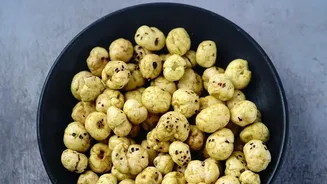
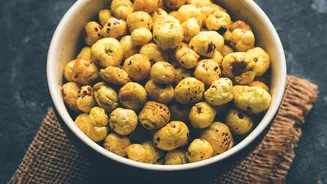
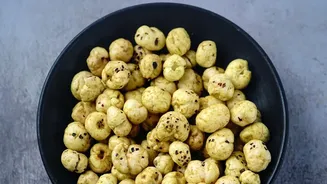
processed snacks for alternatives perceived as naturally better. Nuts and seeds are packed with protein, healthy fats, and fibre, while makhana (fox nuts) have emerged as a low-calorie, gluten-free, and nutrient-dense powerhouse. A 2026 report highlighted that a staggering 86% of Indian consumers now consider protein an important factor when choosing a snack, a demand that these options perfectly meet. This isn't just a metro-centric fad; the quest for 'guilt-free indulgence' is a nationwide phenomenon.
The Return of Tradition, Reimagined
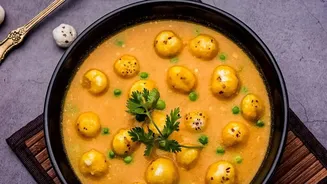
Makhana, once primarily a food for fasting or religious ceremonies, has been successfully rebranded as a modern superfood. Its journey from regional specialty to national sensation is a story of tradition meeting convenience. For centuries, these snacks were part of India's culinary heritage, but they were often cumbersome to prepare. Today, they are roasted, flavoured, and conveniently packaged, fitting seamlessly into the fast-paced lives of working professionals and busy families. This revival honours age-old recipes while catering to modern needs for portability and on-the-go consumption, proving that what is old can indeed be new again.
The Digital Shelf and D2C Boom
The meteoric rise of Direct-to-Consumer (D2C) brands and quick-commerce platforms has been a game-changer. Startups have flooded the digital marketplace with innovative and attractively packaged nuts, seeds, and makhana, offering a plethora of flavours from peri-peri to pudina. These brands have leveraged social media and influencer marketing to build a narrative around healthy snacking, making it trendy and aspirational. Quick-commerce platforms like Blinkit and Zepto have made these snacks instantly accessible, transforming an occasional purchase into a regular habit. In fact, snacks are a massive driver of this ecosystem, making up a significant portion of quick-commerce orders. This digital-first approach allows brands to bypass traditional retail and connect directly with a health-conscious audience that values transparency and clean ingredients.
Decoding the 'Clean Label' Movement
Today's consumers are not just eating; they are reading. The demand for 'clean labels'—meaning simple, recognizable ingredients and no artificial additives—is at an all-time high. A recent survey found that ingredient transparency was the most critical factor for 62% of respondents when choosing a snack brand. Nuts, seeds, and makhana are inherently clean-label products, often sold with minimal processing. This aligns perfectly with a growing consumer base that is wary of long chemical lists and hidden sugars. Brands that focus on transparency, clear sourcing, and nutritional information are winning consumer trust, a currency that has become more valuable than celebrity endorsements.
Beyond a Snack: A Functional Food
This trend is also about snacking with a purpose. Consumers are looking for functional benefits from their food. Makhana, for instance, is not just a low-calorie snack; it's also rich in antioxidants, calcium, and magnesium, and has a low glycemic index, making it suitable for people with diabetes. Similarly, different seeds offer specific benefits—pumpkin for magnesium, sunflower for Vitamin E, and chia for omega-3s. This evolution from empty calories to nutrient-dense bites reflects a deeper understanding of nutrition, where every meal, including the small ones in between, is an opportunity to nourish the body. The Indian snacker is no longer just looking to curb hunger but to add value to their diet.