

More Than a Passing Trend
For many young urban Indians, cooking has evolved from a daily necessity into a form of self-expression. This generation is increasingly conscious of their environmental impact, and that awareness is extending to the kitchen. They are challenging the notion
that eco-friendly habits are difficult or bland. Instead, they view zero-waste cooking as a culinary adventure. The goal is no longer just to reduce trash but to discover the full potential of every ingredient, proving that a mindful kitchen can also be a more delicious one. This mindset shift is fueled by a desire for authenticity, health, and a deeper connection to food.
Unlocking Hidden Depths of Flavour
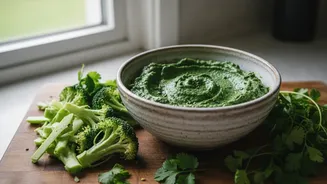
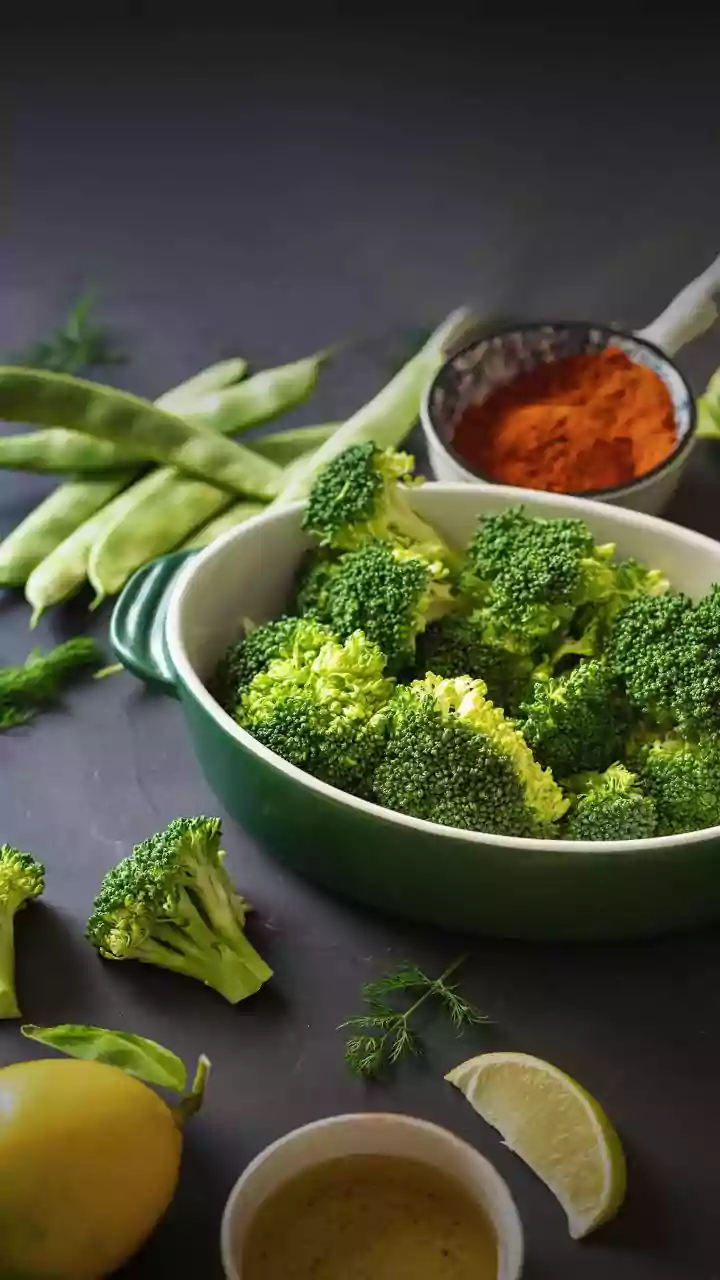
The core idea of zero-waste cooking is simple: use everything. This principle, often called 'root-to-stem' cooking, is where sustainability and flavour truly meet. Those parts of vegetables often discarded—peels, stems, and leaves—are packed with nutrients and taste. For instance, collecting onion skins, carrot peels, and herb stems in a freezer bag provides the base for a rich, complex vegetable stock that is far superior to store-bought versions. Tough broccoli stems can be peeled and sliced for a crunchy addition to stir-fries or blended into soups. Even citrus peels can be zested before juicing and used to brighten up everything from baked goods to marinades.
A Modern Return to Tradition
Interestingly, this 'new' trend is deeply rooted in traditional Indian culinary wisdom. For generations, Indian households practiced intuitive sustainability, making use of every part of a plant or animal out of respect and resourcefulness. Whether it was using banana flowers in a curry, pickling vegetable peels, or using leftover whey from making paneer, nothing was wasted. Today's urban cooks are reviving these practices, armed with new techniques and global inspiration. They are making pesto from carrot tops, chips from potato peels, and infusing oils with herb stems—marrying age-old wisdom with modern creativity.
The Five 'Rs' of a Waste-Free Kitchen
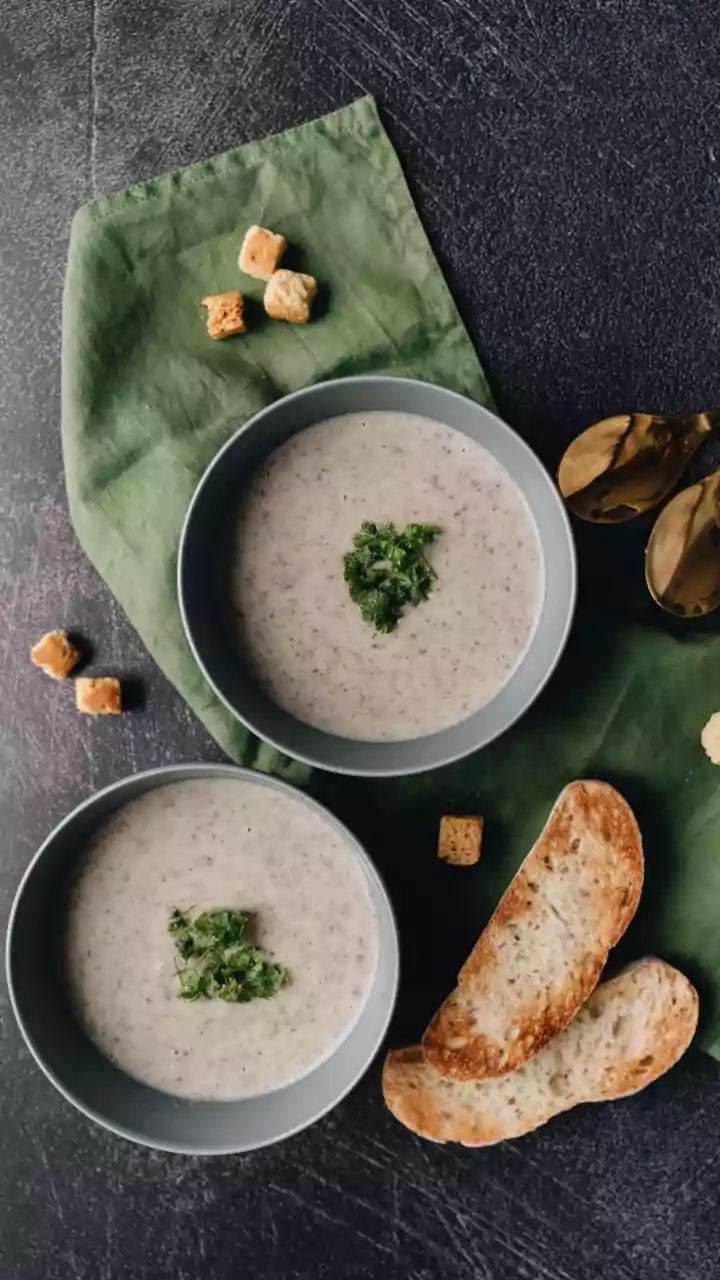
Adopting zero-waste principles goes beyond just cooking scraps. It starts with a mindful approach guided by a few key ideas. The first is to 'Refuse' unnecessary packaging by bringing your own bags and containers. Then, 'Reduce' what you buy by planning meals to avoid impulse purchases. 'Reuse' is where creativity shines, from repurposing leftovers to turning stale bread into croutons. Proper storage is also crucial to 'Rot'—or rather, prevent rot. Storing ethylene-producing fruits like apples separately from other produce can dramatically extend freshness. Finally, any remaining organic matter can be composted, returning nutrients to the soil instead of sending methane-producing waste to landfills.
Your First Steps into Scrappy Cooking
Getting started doesn't require a complete kitchen overhaul. Begin with one simple change. Start a scrap bag in your freezer for vegetable odds and ends—you’ll have a base for a flavourful broth in no time. Before you toss herb stems, chop them finely and add them to salads or sauces; they often have a more intense flavour than the leaves. Don't peel organic carrots or potatoes; just give them a good scrub to retain the nutrients and texture in their skins. Look at a wilting vegetable not as a failure, but as an opportunity for soup, a frittata, or a vibrant pesto. The journey is about small, intentional habits that add up.