


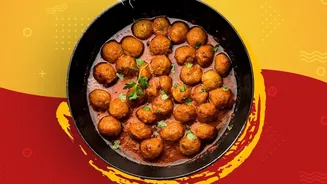

The Rise of the Delivery-Only Kitchen
First, let's break down the engine behind this culinary shift: the micro-cloud kitchen. Unlike a traditional restaurant with seating, staff, and high rent, a cloud kitchen is a commercial kitchen built exclusively for delivery orders. They operate in the background,
taking orders via apps like Swiggy and Zomato or their own websites. The 'micro' version takes this a step further, often run by a small team or even a single entrepreneur out of a compact, low-cost kitchen space. This model slashes the enormous overheads associated with a physical restaurant, making it possible to launch a food business with minimal investment. For entrepreneurs, this means less risk and a greater ability to focus purely on the quality of the food. For customers, it means access to a wider variety of cuisines that might not be able to sustain a full-scale restaurant.
India's Untapped Culinary Heritage
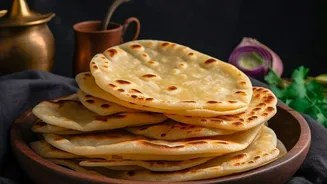
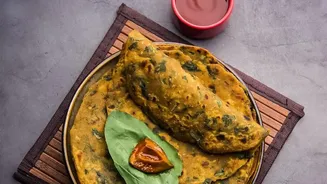
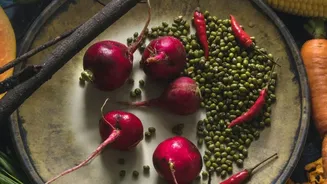
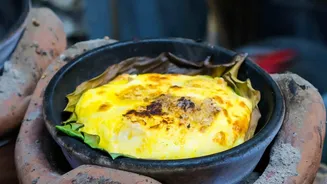
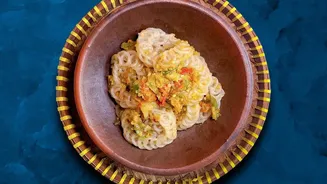
India's mainstream culinary narrative is dominated by a few popular regional cuisines. Yet, the country is home to hundreds of Adivasi communities, each with its own unique food culture shaped by the local geography and ecology. These cuisines are often hyper-seasonal, sustainable, and incredibly nutritious, relying on foraged greens, unique grains like red rice, wildflowers, and distinct cooking techniques. For instance, Jharkhand's tribal cuisine features dishes like 'chilka roti' (rice flour pancakes) and chutneys made from flowers and leaves. Similarly, Naga cuisine is famous for its smoked meats and use of fermented bamboo shoots. For decades, these culinary traditions have remained largely within their communities, inaccessible to urban Indians. They represent a vast, untapped reservoir of flavour and heritage that is only now beginning to enter the mainstream consciousness.
A Perfect Match for Niche Cuisines
The micro-cloud kitchen model is a perfect match for bringing these indigenous recipes to market. The economics of running a full-service restaurant for a niche cuisine can be challenging; it requires a significant customer base from day one. Cloud kitchens change this equation. An entrepreneur passionate about, for example, the food of the Oraon tribe can start small, test recipes, and build a following online without the crippling cost of a prime-location eatery. This model allows for gradual growth and market education. As urban palates become more adventurous, they are actively seeking authentic and novel food experiences. A delivery-only format allows these tribal food pioneers to directly reach this curious audience in metros, building a brand based on authenticity and storytelling through social media and food delivery platforms.
Pioneers Paving the Way
While the dedicated 'tribal cloud kitchen' is an emerging concept, pioneers are already proving the demand for indigenous food in cities. Entrepreneurs like Aruna Tirkey with her restaurant Ajam Emba in Ranchi have been instrumental in popularising the tribal food of Jharkhand, creating supply chains that support local farmers and training women from the community. Others are using social enterprises and pop-up events in metros to introduce diners to these unique flavours. These efforts create a ripple effect, building awareness and proving the market exists. The next logical step for many aspiring food entrepreneurs from these communities is the lean and scalable cloud kitchen model, which allows them to bypass the hurdles of high capital and instead focus on their culinary strengths.
More Than Just a Meal
Making indigenous recipes available in cities is about more than just food; it's an act of cultural preservation and economic empowerment. Every order placed supports the entrepreneurs, the farmers in their native villages, and the preservation of culinary knowledge that has been passed down through generations. It provides a sustainable livelihood that respects and values traditional skills. For the urban consumer, it's a chance to connect with a deeper, more diverse aspect of Indian identity. It’s an opportunity to understand that the country’s food story is far richer and more complex than what is commonly available, all while enjoying a delicious, healthy, and authentic meal.