





The End of an Era for the ISS
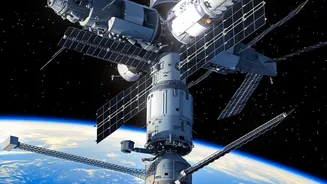
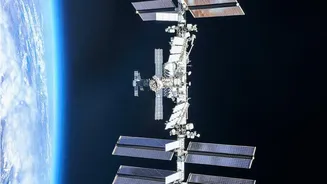
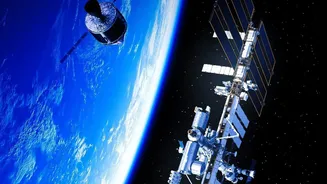
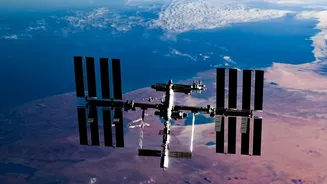
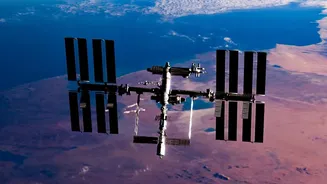
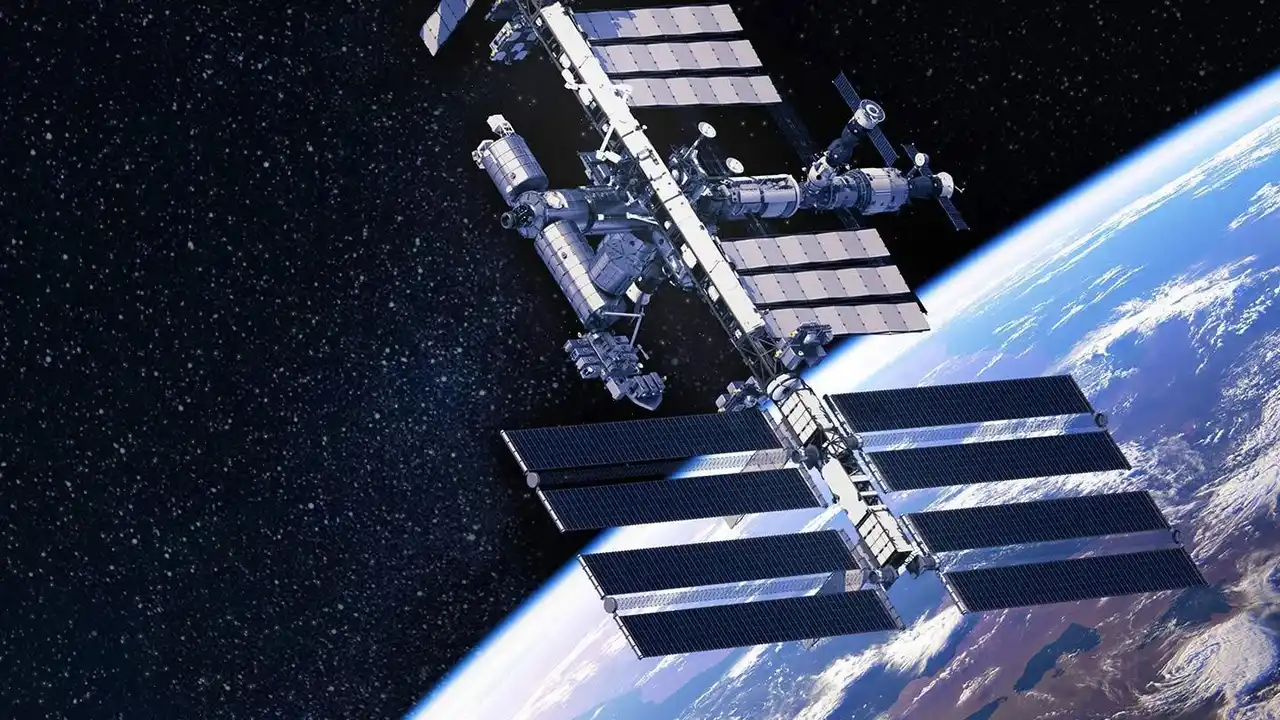
The International Space Station stands as one of history's greatest feats of engineering and international collaboration. However, after more than 25 years in service, the station is showing its age. Originally designed for a 15-year lifespan, the aging
hardware faces structural stress and rising maintenance costs, with NASA spending nearly $3 billion annually on operations. Faced with these challenges, NASA and its international partners have scheduled the station for a controlled deorbit and retirement by 2030 or 2031. A specially designed U.S. Deorbit Vehicle, contracted to SpaceX, will guide the massive structure to a safe breakup over a remote part of the South Pacific Ocean. This planned retirement marks the end of a significant chapter in space exploration and creates an urgent need for a new destination in low-Earth orbit.
NASA's New Role: From Owner to Customer
Instead of building a government-owned successor to the ISS, NASA is fundamentally shifting its strategy. Through its Commercial Low-Earth Orbit Destinations (CLD) program, the agency is fostering a private space economy. The plan is for NASA to transition from being the owner and operator of a space station to becoming just one of many customers. By providing seed funding and technical support to several commercial companies, NASA aims to ensure there is at least one operational private station before the ISS is decommissioned. This approach is designed to reduce costs for the American taxpayer, stimulate innovation, and allow NASA to focus its resources on deep space exploration missions to the Moon and Mars, while still having access to a microgravity lab. After some policy shifts in 2025 and 2026, NASA has reaffirmed its commitment to supporting the development of multiple free-flying commercial stations.
Meet the Contenders for the New Space Race
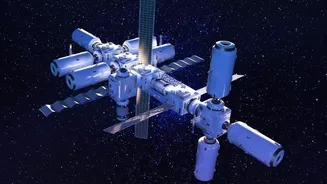
Several companies are now in a race to build the first commercial habitats. Axiom Space is a prominent player, having already conducted multiple private astronaut missions to the ISS. Their plan involves first attaching modules to the ISS starting around 2027, which will later detach to form a free-flying independent station called Axiom Station. Another major effort is Starlab, a transatlantic joint venture between US-based Voyager Space and European aerospace giant Airbus. This project, which absorbed a previous effort by Northrop Grumman, aims to launch a single large module to serve as a science and research park in space, with a target launch in 2029. The team of Blue Origin and Sierra Space is developing Orbital Reef, envisioned as a "mixed-use business park" in space that could host science, manufacturing, and tourism. Finally, the company Vast is developing a smaller single-module station called Haven-1, which it hopes to launch as early as 2027 to become the first standalone commercial outpost.
A New Economy in Low-Earth Orbit
These new commercial stations are not just science labs; they are the foundation for a new economy in orbit. The business models extend far beyond government-funded research. Potential markets include in-space manufacturing of unique materials like fiber optics or bioprinted organs, which benefit from a microgravity environment. Space tourism is another significant driver, offering wealthy individuals the chance to live and work in orbit. Other proposed uses include data centers and media production. By serving a diverse customer base of space agencies, private researchers, and commercial companies, these stations aim to create a self-sustaining ecosystem. This shift represents the move from a single point of presence in space to a vibrant neighborhood of commercial destinations, fundamentally changing who can access and benefit from low-Earth orbit.