





Create a Specific Onam Budget
The first step to a financially stress-free Onam is knowing your limits. Before the ten-day festival begins, sit down and create a dedicated budget. Look at your savings and decide on a total amount you can comfortably spend without resorting to credit
cards or dipping into next month's salary. If you receive an Onam bonus, a smart move is to divide it immediately: one part for festivities, one for savings, and one for any existing debt. Be realistic and categorise your expected expenses: food for the Sadhya, Onakkodi (new clothes), pookalam flowers, gifts, and travel if you're heading home. Assign a specific amount to each category. This simple act of planning provides a clear roadmap and prevents impulsive spending from derailing your finances.
Shop for Onakkodi with a Plan
The tradition of buying Onakkodi, or new clothes, for the family is central to the celebration. However, it can also be a major expense. To manage this, shop early. Pre-Onam sales often start weeks before the festival, offering better prices and smaller crowds than the last-minute rush. Before you shop, make a list of who you're buying for and stick to it. This prevents adding unplanned items to your cart. Focus on quality over quantity; one beautiful, well-made kasavu saree or mundu that will be worn for years is a better investment than several trendy, impulse-bought outfits that may not last. For students or those on a tighter budget, pairing a simple, elegant kurti with traditional accessories like jasmine flowers and simple gold-toned jewellery can create a festive look without a hefty price tag.
Be Smart About the Sadhya
The Onam Sadhya, an elaborate feast with numerous dishes, is the heart of the celebration, but ingredient costs can add up quickly. Instead of attempting to make all 26 traditional dishes, focus on a smaller, core group of essentials like rice, sambar, avial, a thoran, and payasam. This 80/20 approach captures the spirit of the feast without the overwhelming expense. Plan your grocery shopping to be efficient; buy ingredients like pumpkin or coconut that can be used across multiple dishes to minimise waste. Preparing some items, like pickles or payasam, a day in advance can also help manage your time and budget on Thiruvonam day. Remember, the joy of the Sadhya comes from sharing the meal with loved ones, not the sheer number of dishes on the banana leaf.
Navigate Sales and Discounts Cautiously
Festive seasons are flooded with discounts, 'buy one, get one' offers, and tempting sales on everything from electronics to home appliances. While these can offer genuine savings, they also encourage spending on things you don't need. The pressure to upgrade or buy premium products is a known marketing strategy during Onam. Before making a large purchase, ask yourself if it's a planned expense or an impulse driven by a discount. Avoid the temptation to get into debt to impress others. A good rule of thumb is to stick to your pre-planned budget and shopping list. If an item wasn't on your list, it's probably not a necessity, no matter how attractive the price seems.
Embrace DIY and Sustainable Decorations
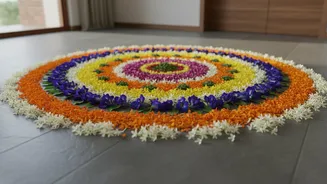
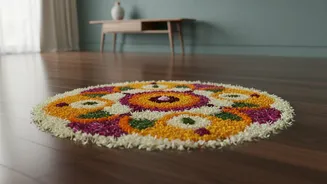
Decorating your home is a key part of the festive atmosphere, but it doesn't have to be expensive. The daily pookalam, for instance, can become a significant expense over ten days. To save money, buy flowers from local morning markets instead of pre-packaged kits, and bulk out the design with more affordable leaves and petals. Better yet, consider creating a shared pookalam with neighbours in an apartment complex to split the cost. For other decorations, get creative with what you already own. Reuse old sarees or colourful dupattas as table runners, turn glass jars into tea-light holders, and polish the family's traditional brass nilavilakku instead of buying a new one. These DIY touches not only save money but add a unique, personal feel to your celebrations.
Track Your Spending Daily
Even with the best budget, small, daily purchases can quietly add up and cause you to overspend. Expenses for flowers, snacks, or small gifts can compound without you noticing. To prevent this, take just a minute or two each evening to track your spending for the day. Use a simple notebook or a budgeting app on your phone to see where your money is going. This habit allows you to catch any budget drift early and adjust your spending for the remaining days of the festival. It keeps you accountable to your financial plan and ensures there are no unpleasant surprises once the celebrations are over.