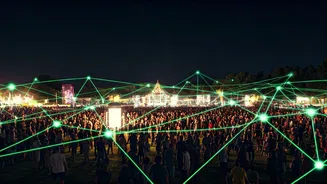









The Anatomy of a Crowd
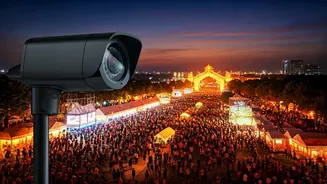
From the Kumbh Mela to Durga Puja, India is home to some of the world's largest human gatherings. While these events are vibrant displays of culture and faith, they also present immense logistical challenges. A crowd is not just a large number of people;
it's a dynamic entity with its own behaviour. Without guidance, large groups can lead to bottlenecks at entry points, dangerous crushing at choke points, and a complete breakdown of essential services. The primary cause of many festival tragedies is not malice, but a simple lack of direction. When thousands of people are unsure where to go, how to get there, or what to do in an emergency, the risk of a preventable disaster rises dramatically. Crowd management, therefore, isn't about controlling people, but about guiding their movement safely.
The Lifeline of Information
So, what information do attendees truly need? It starts long before they leave home. Organisers have a responsibility to communicate details on travel, parking, and public transport options to manage arrivals. On-site, the needs become more immediate and critical. Clear, visible signage directing people to entrances, exits, medical aid stations, water points, and toilets is fundamental. In a crisis, this becomes even more vital. Attendees must know the emergency protocols, evacuation routes, and who to contact for help. Communication is not a 'nice to have'; it is a core part of the event's safety infrastructure, as crucial as physical barriers or security personnel. Proactive communication about what to expect, rules, and prohibited items helps set expectations and reduces frustration on the day.
From Megaphones to Mobile Apps
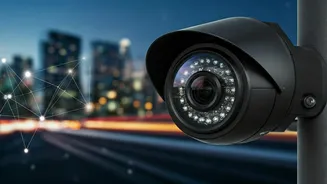
The tools for disseminating this information have evolved significantly. While traditional methods like public address systems and physical signage remain important, technology now offers powerful new ways to manage crowds. India is increasingly leveraging technology for this purpose. AI-powered video surveillance can detect overcrowding in real-time and predict potential congestion zones, allowing authorities to intervene before a situation becomes critical. Digital queuing systems, using QR codes and booked time slots, have been successfully piloted at temples in Mumbai to reduce wait times and prevent crowding at gates. Mobile event apps can send push notifications with real-time updates on schedules, weather warnings, or emergency instructions directly to attendees' phones. Drones provide an aerial view to monitor crowd density and movement, helping to identify choke points that are not visible from the ground.
Learning from Success and Failure
Case studies from across India highlight the difference good information makes. The successful management of the 2019 Kumbh Mela, which saw an estimated 240 million people, is often cited as a benchmark. Its success was attributed in large part to the integration of technology, including over 1,000 CCTV cameras and AI-powered crowd surveillance. Conversely, many tragic stampedes have been linked directly to information failures, such as confusion over train platform changes or the spread of false rumours in a panicked crowd. Effective management requires a central command centre where data from various sources is analysed, allowing for coordinated responses. This shifts the approach from being reactive—dealing with a disaster after it happens—to being proactive and predictive.
A Shared Responsibility
Ultimately, ensuring a safe festival experience is a shared responsibility. Organisers and government bodies must invest in robust planning and modern communication infrastructure. This includes conducting thorough risk assessments, creating multilingual communication strategies, and ensuring different agencies work in coordination. For attendees, the responsibility lies in being informed. Before heading to a large gathering, it's wise to check the official event website and social media for advisories. Download the event app if one is available. Once there, pay attention to signage and announcements. By being aware of your surroundings and having access to official information, you not only improve your own experience but also contribute to the overall safety of the event.