


There is a unique magic to a winter safari in India. The crisp air, the golden morning light filtering through the trees, and the chance to spot some of the world’s most majestic big cats make for an unforgettable adventure.
Ranthambore National Park, Rajasthan
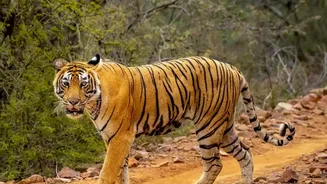
Famous for its population of
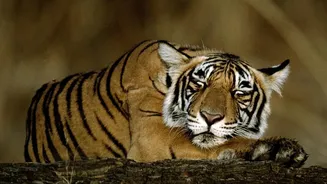
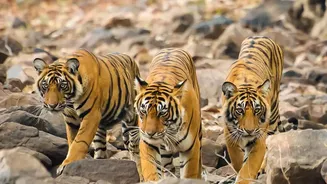
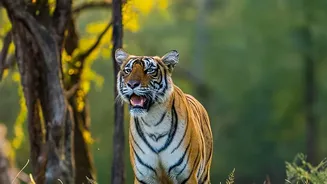
Royal Bengal Tigers, Ranthambore offers a stunning backdrop of ancient forts and shimmering lakes. While summer is often cited for peak sightings around waterholes, winter provides a more comfortable experience. Between November and February, the weather is pleasant, with daytime temperatures ranging from 10°C to 25°C. Tigers are often seen basking in the sun, and the thinner vegetation can improve visibility. Early morning and late afternoon safaris are your best bet for spotting these magnificent predators as they are more active in the cooler temperatures. However, be prepared for higher crowd levels, as this is a popular season.
Bandhavgarh National Park, Madhya Pradesh
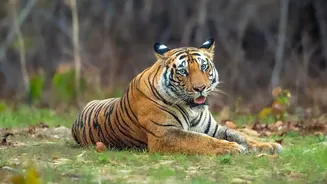
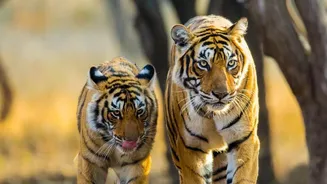
With one of the highest densities of tigers in India, Bandhavgarh is a prime destination for wildlife enthusiasts. The winter months, from November to February, are considered the best time to visit, as the cool weather makes safari drives more enjoyable and the animals are more active. The park's landscape of dense forests, rocky hills, and open grasslands is home to not only tigers but also leopards, deer, and numerous bird species. While summer offers better chances of sightings near water sources, winter provides a more atmospheric experience, with misty mornings and a quieter forest rhythm that rewards patient observation. It's crucial to book safari permits well in advance, especially for the popular Tala zone.
Jim Corbett National Park, Uttarakhand
As India's oldest national park, Jim Corbett is a haven for biodiversity, nestled in the foothills of the Himalayas. Winter (November to February) is an excellent time for tiger and leopard sightings. The pleasant weather, with temperatures between 5°C and 20°C, is perfect for exploring the park's diverse zones, such as Dhikala and Bijrani. The forest's visibility improves, and animals like tigers, leopards, and elephants are more active during the day. The mornings can be foggy and genuinely cold in an open jeep, but this adds to the mystical atmosphere of the safari. The park is also a paradise for birdwatchers in winter, with many migratory species present.
Jawai Leopard Conservation Reserve, Rajasthan
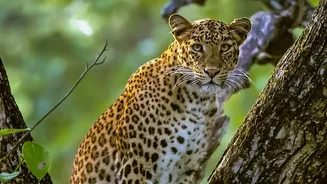
For a truly unique leopard-sighting experience, Jawai is unparalleled. This is not a national park but a landscape of granite hills where leopards coexist with the local Rabari community. Winter, from October to March, is the absolute best time to visit. The cool weather, with daytime temperatures around 22–27°C, means leopards are active for longer periods, often seen lounging on the sun-warmed rocks. Sightings are frequent, with some guides reporting success on 70-80% of winter safaris. The open terrain provides a different viewing experience than a dense forest, and the area is also fantastic for birdwatching, with migratory flamingos and cranes visiting Jawai Dam.
Hemis National Park, Ladakh
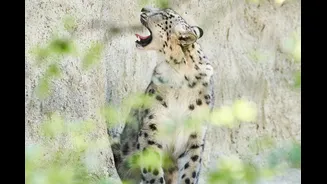
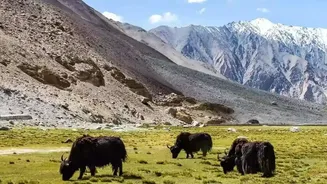
If your heart is set on spotting the elusive snow leopard, Hemis National Park is the world's premier destination. This is an adventure for the truly dedicated, as it involves trekking at high altitudes in extreme cold, not a jeep safari. The best time is deep winter, from January to March, when the snow leopards descend to lower altitudes in search of prey like blue sheep. Treks are led by expert local trackers into areas like the Rumbak Valley. With the highest density of snow leopards in any protected area, patience is often rewarded with a once-in-a-lifetime sighting of the 'grey ghost' against the stark, snowy landscape.
Essential Tips for a Cold-Weather Safari
Dressing in layers is the most important rule for a winter safari. Morning drives in an open jeep can be frigid, with temperatures sometimes dropping to near freezing, even in Rajasthan and Central India. Start with a thermal base layer, add a fleece or shirt, and top it with a warm, windproof jacket. A beanie, gloves, and a scarf or buff are essential to protect against the wind chill. Wear comfortable, closed shoes with warm socks. Opt for neutral, earthy colours like khaki, olive, and brown to blend in with the environment. Finally, book your safaris and accommodation months in advance, as winter is peak season and permits for popular zones sell out quickly.