






A Green Respite from the Concrete Jungle
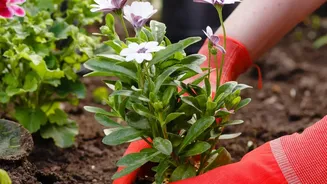
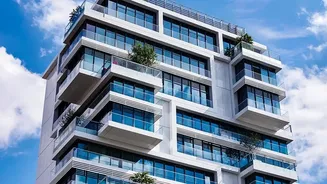
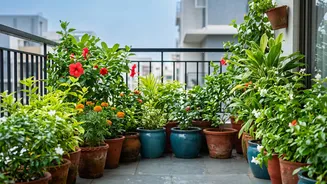
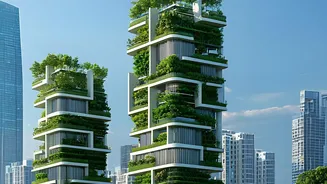
Across India's metropolises, from Mumbai's high-rises to Delhi's apartment complexes, a growing number of people are discovering the joy of gardening in small spaces. This trend is more than just about aesthetics; it's a response to the stresses of urban
life. Research and anecdotal evidence show that gardening can reduce stress, improve mood, and provide a sense of calm. For many, tending to plants on their balcony has become a daily ritual, a way to disconnect from screens and reconnect with the natural world. This movement is quietly turning sterile concrete ledges into thriving ecosystems that support well-being and offer a tangible connection to the earth.
The Practical Perks of a Balcony Garden
The benefits extend beyond mental peace. A well-maintained balcony garden can have a measurable impact on your immediate environment. Plants are natural air purifiers, helping to filter pollutants and reduce dust. A lush balcony can even help cool your home, mitigating the urban heat island effect and potentially lowering electricity bills from reduced air conditioner use. Furthermore, many urban gardeners are growing their own food. Even a small space can yield a steady supply of fresh, chemical-free herbs like mint and tulsi, or vegetables like cherry tomatoes and chillies. This practice not only provides healthier produce but also reduces grocery bills and food miles.
Gardening Through the Indian Seasons
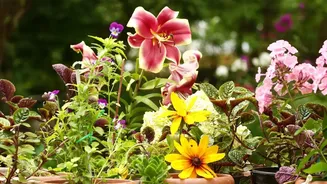
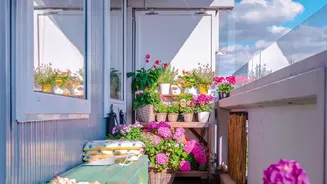
The key to a successful balcony garden is planting according to the season, as this ensures your plants thrive. Winter (November to February) is a prime season for a riot of colour. This is the perfect time to plant flowers like Marigold, Petunia, Pansy, and Dianthus, which flourish in the cooler, milder weather. As summer approaches (March to May), switch to heat-loving plants. Bougainvillea, Hibiscus, and Portulaca (Moss Rose) provide stunning blooms despite the high temperatures. It's also the ideal time to grow vegetables like tomatoes, chillies, and okra. During the monsoon (June to September), the high humidity and regular rain are perfect for leafy greens and herbs like mint, basil, and ginger. Flowering plants like Periwinkle and Hibiscus also do well during this time.
Getting Started: Simple Steps for Beginners
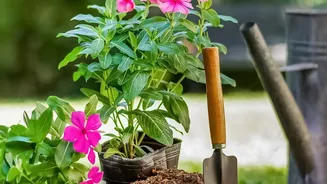
Starting a balcony garden doesn't have to be intimidating. Begin by observing your balcony's sunlight. South-facing balconies get strong sun, ideal for flowers and vegetables, while north-facing ones are shadier and better for foliage plants like ferns. Start small with 3-5 hardy plants like Snake Plant, Tulsi, or Marigolds to build your confidence. Ensure your pots have drainage holes to prevent waterlogging, a common issue, especially during the monsoon. Use a well-draining potting mix, and consider vertical planters or hanging pots to maximize your space. Most importantly, be consistent. A few minutes of care each day is all it takes to keep your green corner thriving.
Nurturing More Than Just Plants
A balcony garden is also an opportunity to support local biodiversity. Planting native flowers attracts pollinators like bees and butterflies, creating a mini-ecosystem right outside your window. This trend, known as creating 'pollinator balconies', helps restore a small piece of nature within the urban landscape. It's a powerful reminder that even the smallest green spaces can contribute to a healthier environment. By choosing to cultivate a garden, urban residents are not just growing plants; they are fostering a deeper connection to nature, building community, and creating a more sustainable way of life.