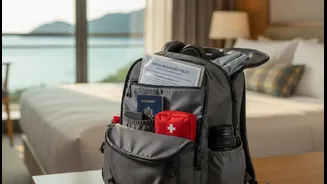









Aligning Coverage with Your Booking Value
The first step in selecting a policy is to calculate the total non-refundable cost of your trip. This includes prepaid flights, hotel deposits, cruise payments, and any tours or excursions you've booked in advance. This figure is your 'booking value,'
and it's the amount you stand to lose if you have to cancel. Your travel insurance should, at a minimum, cover this amount. Look for a policy with strong Trip Cancellation and Trip Interruption benefits. Trip Cancellation reimburses you for prepaid, non-refundable expenses if you have to cancel your trip before it starts for a covered reason, such as a sudden illness or family emergency. Trip Interruption applies after you've departed, covering the unused portion of your trip if you have to cut it short for a covered reason. Insuring the full, non-refundable value of your trip ensures you're financially protected from unforeseen events that could derail your plans.
Understanding Your Health Context
Your health is the second critical piece of the puzzle. Standard travel insurance is designed for sudden, unexpected illnesses or injuries that occur during your trip. However, most policies contain exclusions for pre-existing medical conditions. A pre-existing condition is generally defined as any illness or injury for which you received treatment, advice, or diagnosis within a specific period (often 3 to 48 months) before purchasing your policy. This can include common, well-managed conditions like diabetes, hypertension, asthma, or past surgeries. It is absolutely crucial to disclose any pre-existing conditions to your insurer when applying. Failure to do so is one of the most common reasons for claim denial. Many insurers in India offer specialised plans or add-on riders that cover pre-existing conditions, often for life-threatening emergencies or acute flare-ups. These plans may have specific requirements, such as the condition being 'stable' for a period before travel, and might have a separate, lower coverage limit for claims related to that condition.
Emergency Medical and Evacuation Needs
Beyond trip costs, the most vital function of travel insurance is protecting you from catastrophic medical expenses abroad. Your domestic health insurance may offer little to no coverage overseas. A good policy should include robust Emergency Medical and Medical Evacuation coverage. Emergency Medical benefits cover the costs of hospital stays, doctor visits, and treatment for unexpected injuries or illnesses during your travels. Medical Evacuation covers the potentially enormous cost of transporting you to a suitable medical facility or, if necessary, back home. Some destinations may even require proof of medical coverage for entry. Experts often recommend a minimum of $100,000 in medical coverage for international trips, though costs can vary significantly by destination.
Considering 'Cancel For Any Reason' Flexibility
Standard trip cancellation only applies for specific, unforeseen reasons listed in the policy. What if you simply have a change of heart, are worried about safety at your destination, or have a work conflict? For ultimate flexibility, you can purchase a 'Cancel For Any Reason' (CFAR) add-on. This optional upgrade allows you to cancel your trip for any reason whatsoever and receive a partial refund—typically between 50% and 75%—of your non-refundable trip costs. However, CFAR coverage comes with strict rules: it must usually be purchased within 14-21 days of your initial trip payment, you must insure 100% of your trip cost, and you must cancel at least 48 hours before departure. This upgrade adds a significant cost to your premium but provides invaluable peace of mind for those with expensive or uncertain travel plans.
Always Read the Fine Print
Every travel insurance policy comes with exclusions, which are specific situations and events that are not covered. It's essential to read the policy document, sometimes called the Certificate of Insurance, to understand these limitations before you buy. Common exclusions include high-risk adventure sports (which may require a special rider), events that were known or foreseeable when you bought the policy (like a named hurricane), mental health conditions, and incidents arising from illegal acts or intoxication. Knowing what isn't covered is just as important as knowing what is, preventing unwelcome surprises if you need to make a claim.