





Why Light Governs Our Mood
The link between light and mood is deeply scientific. Our bodies' internal clocks, or circadian rhythms, are regulated by light. Bright, natural light signals our brains to be alert and energetic, while darkness prepares us for rest. During the monsoon,
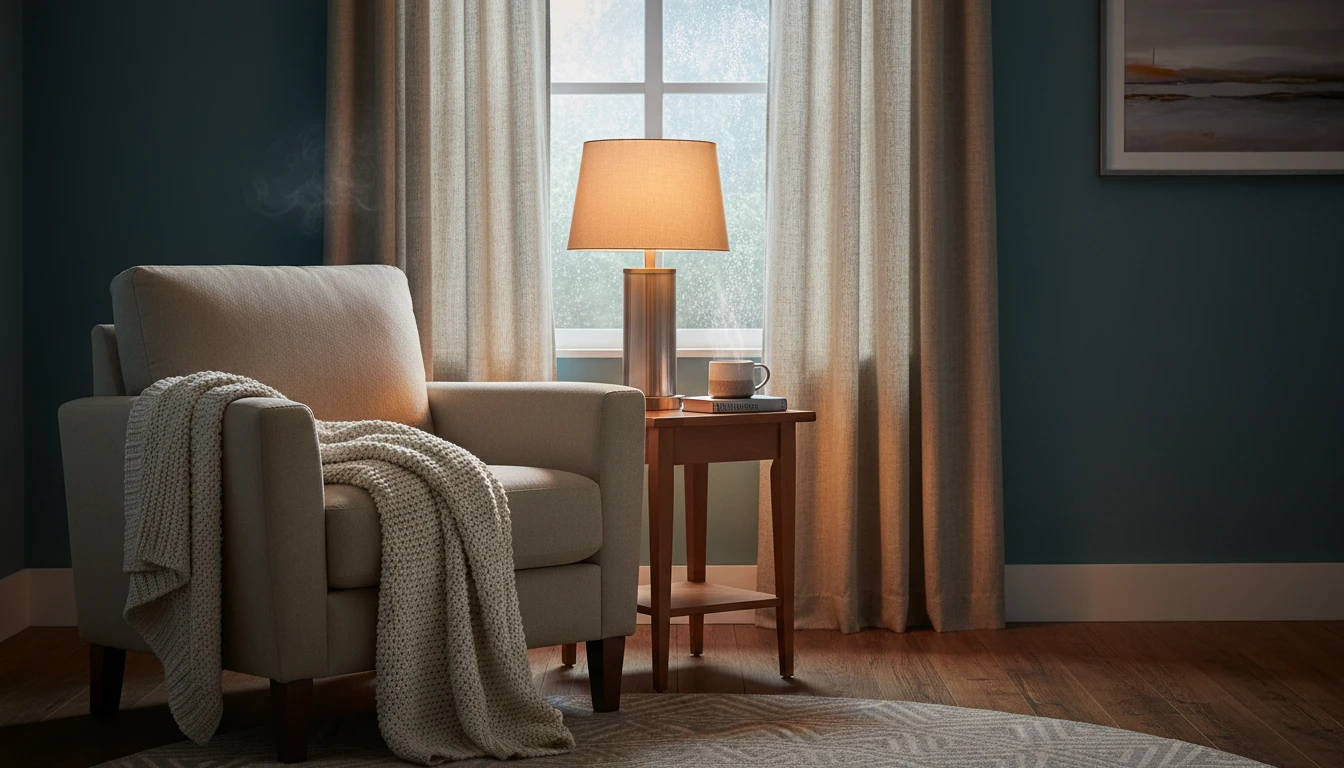
the lack of consistent, bright sunlight can disrupt this rhythm, leading to feelings of lethargy and sadness, sometimes referred to as monsoon depression. Warm-toned artificial light, which mimics the soft glow of a sunrise or sunset, can counteract this by promoting feelings of comfort, relaxation, and happiness. It creates a psychological sense of warmth and security, making a space feel instantly more inviting.
Decoding Warmth: A Guide to Kelvin
When shopping for bulbs, the key is to look for the color temperature, measured in Kelvin (K). Lower Kelvin values produce warmer, more yellow or amber light, while higher values create cooler, bluish light. For that cozy, monsoon-beating glow, you should aim for a range between 2200K and 3000K. A 2700K bulb is often considered the sweet spot, closely replicating the intimate ambiance of old incandescent bulbs and creating a calm, welcoming atmosphere perfect for living rooms and bedrooms. Bulbs in the 3100K to 4500K range are more neutral and better suited for task-oriented spaces like kitchens or home offices where clarity is important.
Layering Light for a Clutter-Free Look
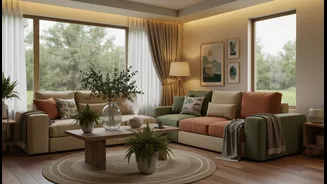
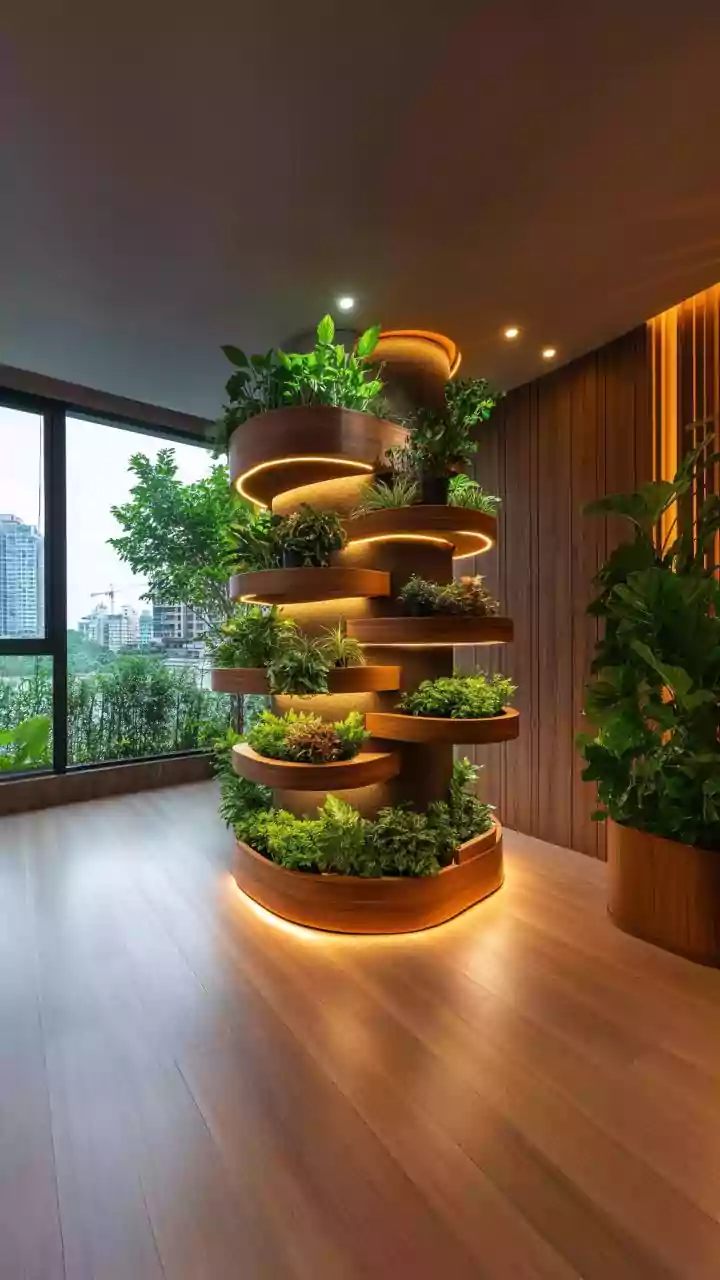
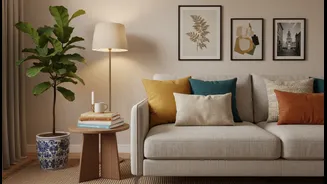
A well-lit room rarely relies on a single overhead light. Instead, interior designers use a technique called layering, which combines three types of lighting to create depth and functionality without adding clutter. The first is ambient light, the room's primary light source, like a central flush-mount fixture or recessed lights. Next is task lighting, which is focused on specific activities like reading or cooking. This could be a sleek floor lamp beside a chair or under-cabinet LED strips in the kitchen. The final touch is accent lighting, used to highlight architectural features, artwork, or plants, adding personality and visual interest. By combining these layers, you can create a balanced, functional, and atmospheric space.
Smart, Space-Saving Solutions
The key to a clutter-free environment is choosing the right fixtures. Instead of multiple small table lamps that eat up surface space, consider vertical solutions. Wall sconces are excellent for flanking a bed or sofa, freeing up your bedside and end tables entirely. A tall, slim arc floor lamp can provide overhead light for a seating area without any ceiling wiring. LED strip lights are a minimalist's dream; they can be tucked away under shelves, behind a headboard, or even behind the TV to provide a soft, indirect glow that reduces eye strain. For ultimate flexibility, smart bulbs allow you to change both brightness and color temperature with your phone, letting you shift from a bright, neutral light for working to a warm, cozy glow for relaxing.
Strategic Placement for Maximum Impact
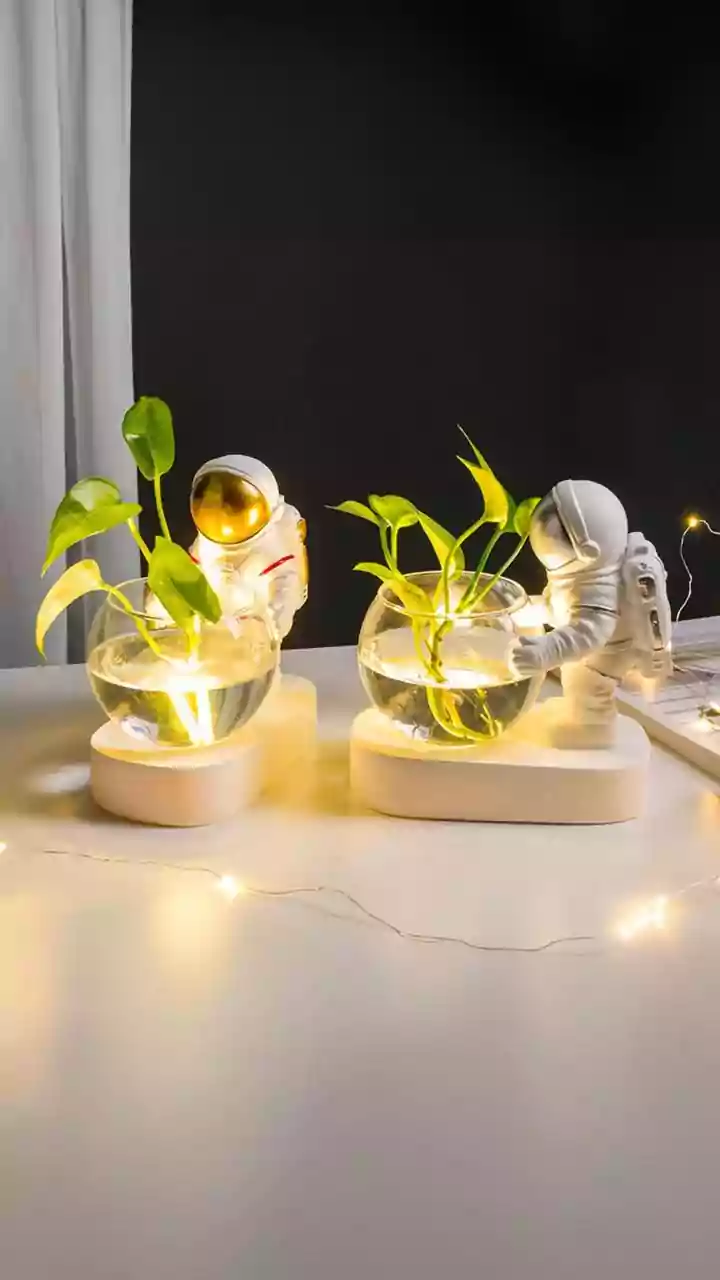
Where you place your lights is as important as the lights themselves. To make a room feel larger and brighter, aim lights towards the walls or ceiling to bounce light back into the space. Placing a floor lamp in a dark corner not only eliminates a shadow but creates an illusion of depth. String lights or fairy lights can add a touch of whimsy and warmth when draped around a mirror or along a bookshelf, taking up zero surface area. Mirrors are another powerful tool; positioning a large mirror opposite a light source, whether a window or a lamp, can effectively double its impact, making your entire room feel more airy and luminous.