

The Myth of the Perfect Off-the-Rack Fit
Retail clothing is designed for statistical averages, not real bodies. This means a shirt might fit your shoulders but billow at the waist, or trousers fit your hips but drag on the floor. It's why so many garments feel 'almost right'. Most people assume
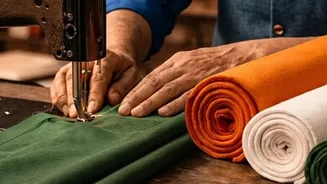
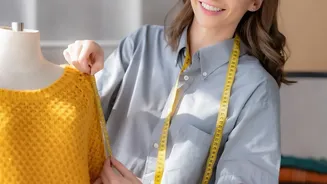
this is a sign to keep shopping, but it’s actually an opportunity. Alterations transform a mass-produced item into something customised for you. A skilled tailor bridges the gap between how a garment was made and how you want it to look and feel, creating a level of polish that new clothes alone rarely provide.
A Smarter Financial Investment
Constantly replacing outfits is a costly cycle. Investing in alterations is often far more economical. Simple but transformative adjustments like hemming trousers, shortening sleeves, or taking in a waist can cost a fraction of a new, quality garment. For example, hemming a pair of pants might cost between ₹1,000-₹2,000, while a new pair could easily cost several times that. This logic extends to sale finds and thrifted pieces; a small additional investment in tailoring can turn a bargain into a perfectly fitted treasure that looks far more expensive than it was. By extending the life of clothes you already own, you lower the 'cost-per-wear' and make your wardrobe budget work harder for you.
The Confidence of a Custom Fit
There is a powerful psychological boost that comes from wearing clothes that fit perfectly. Studies show that well-fitting clothing can increase feelings of confidence, body satisfaction, and even improve how others perceive you. When your clothes drape correctly and move with you, you feel more comfortable and self-assured. You stand taller and worry less about adjusting a gaping button or a twisting skirt. This concept, sometimes called 'enclothed cognition', suggests what we wear influences our mindset. A tailored outfit communicates attention to detail and self-respect, giving you a subtle but significant edge in both social and professional settings.
A More Sustainable Wardrobe
The fast fashion industry has a significant environmental footprint, contributing to immense water consumption, carbon emissions, and landfill waste. An estimated 85% of all textiles end up in dumps each year. One of the most effective ways to combat this is to extend the life of the clothes we already have. Choosing to repair a broken zipper, reinforce a seam, or alter a piece to fit a changing body keeps garments in circulation and out of landfills. Extending the active use of a piece of clothing by just a few months can significantly reduce its environmental impact. Altering is a conscious choice to consume less and value what you own more.
What to Alter (and What to Skip)
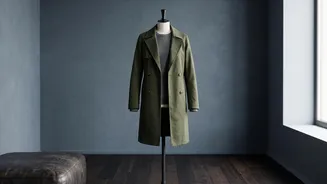
Not every garment is a good candidate for alteration. The best pieces to tailor are generally well-made items that just need refining. Trousers, jeans, blazers, coats, and quality dresses are excellent candidates for hemming, tapering, or waist adjustments. These fixes offer a high return in terms of fit and wearability. However, some jobs are too complex or costly. Significantly changing the shoulders of a jacket, for instance, is often difficult and expensive. It's also generally not worth altering clothes made of very cheap, flimsy fabric or those that are more than two sizes too big, as the proportions can become distorted. If you love a piece and it's made from quality material, it's almost always worth a consultation with a tailor.