


In the world of plant-based eating, quinoa and lentils are undisputed superstars. Both are celebrated for their nutritional benefits, but they are far from interchangeable. Understanding their key differences is the secret to unlocking their full potential.
An Introduction to the Contenders
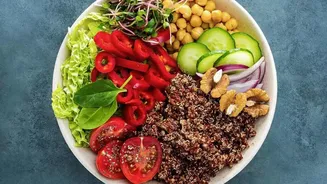
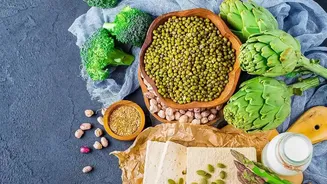
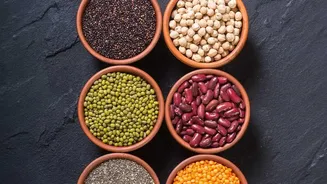
At a fundamental level, quinoa and lentils belong to different botanical families. Quinoa, often mistaken for a grain, is technically a 'pseudocereal'—a seed that is cooked and eaten like a grain. Hailing from the Andean region of South America, it was a staple food for the Inca civilization. Lentils, on the other hand, are pulses, which are the edible seeds of legume plants. They are a cornerstone of many cuisines around the globe, including Indian, where they form the basis of countless dal preparations.
The Nutritional Showdown
When comparing them nutritionally, a clear distinction emerges. Lentils are a powerhouse of protein and fibre. A cooked cup of lentils provides around 18 grams of protein and 16 grams of fibre, making them incredibly satiating. In contrast, a cup of cooked quinoa offers about 8 grams of protein and 5 grams of fibre. However, quinoa's claim to fame is its protein quality; it is a 'complete protein', meaning it contains all nine essential amino acids the body cannot produce on its own, a rare trait for a plant-based food. Lentils are low in certain amino acids like methionine but can be paired with grains to form a complete protein. In terms of micronutrients, lentils are richer in folate, iron, and potassium, while quinoa provides higher levels of magnesium and manganese.
In the Kitchen: Cooking and Versatility
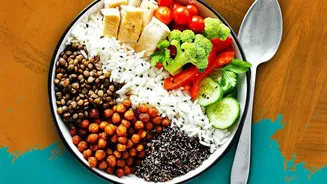
Their behaviour in the kitchen also sets them apart. Quinoa has a natural, bitter coating called saponins, which needs to be rinsed off thoroughly before cooking to avoid a soapy taste. It typically cooks in about 15 minutes, absorbing all the water to produce a light, fluffy texture with a slightly nutty flavour. Lentils, especially varieties like red or yellow, cook quickly and break down, making them perfect for thickening soups, stews, and creating creamy dals. Brown and green lentils hold their shape better and are ideal for salads and side dishes. While both are versatile, lentils' ability to create both hearty stews and firm salad components gives them a broad culinary range.
Dietary Considerations and 'Antinutrients'
Both quinoa and lentils contain compounds known as 'antinutrients', such as phytates and saponins, which can slightly interfere with the absorption of minerals like iron and zinc. However, for most people, these are not a major concern. The effects of these compounds are significantly reduced by common preparation methods like rinsing and cooking. Rinsing quinoa removes the surface saponins, while cooking breaks down most of the concerning compounds in both foods. For those with sensitive digestive systems, lentils might be more impactful due to their high fibre content, but ensuring they are thoroughly cooked helps improve digestibility.
Cost and Availability in India
For Indian consumers, the most significant difference is cost and accessibility. Lentils (dal) are a dietary staple, widely available in every corner of the country at an affordable price. Quinoa, much of which is still imported or grown on a smaller scale domestically, is considered a premium product. It can often cost five to eight times more per kilogram than lentils. While its popularity is growing and it can be found in most urban supermarkets and online, lentils remain the far more economical and accessible choice for daily protein and fibre intake.