





From Automation to Augmentation
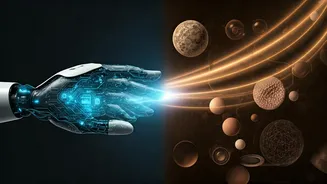
For years, the narrative around AI has been one of replacement. The fear is that as algorithms become more sophisticated, they will take over jobs previously done by humans. While AI is indeed automating many routine and technical tasks, this shift is not
leading to a world without human work. Instead, it’s elevating the importance of skills that machines cannot replicate. As AI handles the 'what'—analysing data, generating reports, and processing information—the demand for humans who can handle the 'so what' is soaring. This is where great communicators shine. They provide context, build consensus, and translate complex data into actionable business strategy.
The Art of the Prompt
Even the act of working with AI is fundamentally an act of communication. The rise of roles like 'prompt engineering' illustrates this perfectly. Getting a useful, accurate, or creative result from a generative AI model depends entirely on the quality of the instruction it receives. A vague prompt leads to a generic and often unhelpful output. A well-crafted prompt, however, requires clarity of thought, an understanding of nuance, and the ability to articulate a desired outcome precisely. In essence, prompt engineering is not just a technical skill; it is the art of asking the right questions and providing the right context—a core competency of any great communicator.
The Irreplaceable Human Bridge
In an increasingly specialised world, communicators act as essential bridges. They connect the highly technical experts who build and maintain AI systems with the business leaders, clients, and users who need to understand their implications. AI can generate a perfect financial model, but it cannot sit in a boardroom and explain the story behind the numbers, address stakeholder concerns, or inspire a team to act on the findings. These tasks require empathy, emotional intelligence, and the ability to build trust—all hallmarks of human-to-human interaction that AI cannot replicate. This human element is becoming the critical differentiator in organisations.
Navigating a World of Digital Deception
The proliferation of AI also brings new challenges, such as the spread of convincing but utterly false information, from deepfake videos to fabricated research. In this environment, critical thinking and clear, trustworthy communication become more vital than ever. Professionals who can critically evaluate AI-generated content, identify potential biases, and communicate truthfully are invaluable. They become the trusted voices who can cut through the noise, verify information, and guide their organisations through a complex and sometimes misleading digital landscape. This ability to safeguard integrity is a profoundly human and communication-driven skill.
Future-Proofing Your Career
The takeaway for professionals in India and beyond is clear. While technical skills and AI literacy are important, they are becoming table stakes. The World Economic Forum and other analyses of the future of work consistently highlight the growing demand for skills like analytical thinking, leadership, social influence, and resilience. These are not soft, optional extras; they are the core competencies that will define career success in the coming decade. To thrive, focus on becoming a better collaborator, a more persuasive speaker, a more empathetic listener, and a clearer writer. These are the durable skills that AI will augment, not automate.