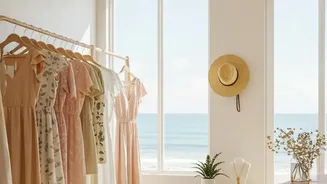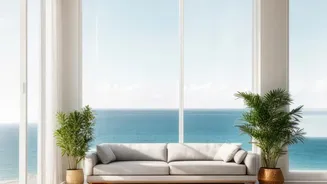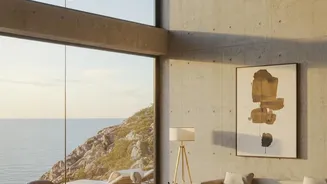




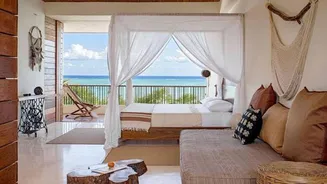
Craving the calm, breezy feeling of a seaside retreat in your own home? The secret isn't about collecting nautical trinkets, but about embracing a philosophy of simplicity that creates open, airy, and deeply relaxing spaces.
The Foundation: A Light and Neutral Palette
The core of any coastal design
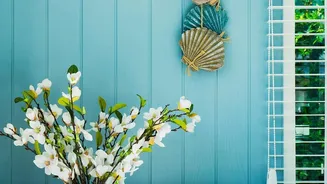
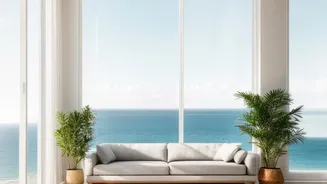
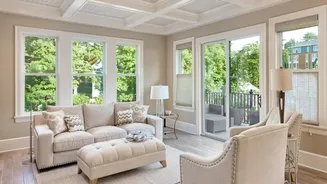
is its ability to evoke the breeziness of the beach. This starts with a colour palette that maximizes light. Think of the soft, muted tones of the shore: sandy beiges, warm whites, and creamy off-whites create a perfect backdrop. These colours reflect natural light, making rooms feel larger and more open. For accent colours, look to the sea and sky. Soft blues, seafoam greens, and muted aquas bring a sense of calm without overwhelming the space. The key is to create a serene canvas that allows other elements, like texture and natural materials, to stand out. Keep the overall look clean and avoid dark, heavy colours that can make a room feel cramped.
Embrace Natural Materials and Textures
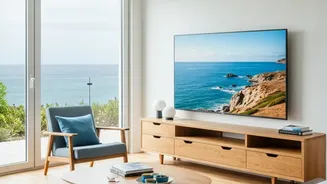
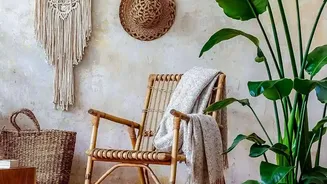
To prevent a neutral palette from feeling flat, coastal design relies heavily on texture. Incorporate materials that feel organic and connected to nature. Furniture made from rattan, wicker, or light, weathered woods adds warmth and visual interest. For textiles, choose lightweight and breathable fabrics like linen, cotton, and jute. Simple slipcovered sofas are a classic choice, offering comfort and a relaxed look. Rugs made of natural fibres such as jute or seagrass can ground a room and add a sandy, textural element underfoot. These materials not only add depth but also reinforce the casual, lived-in feel that is central to the coastal aesthetic.
Furniture with Room to Breathe
Coastal style is fundamentally uncluttered. The feeling of an 'open and airy' room comes from thoughtful furniture selection and placement. Opt for pieces with clean lines and a simple, functional design. Avoid heavy, ornate furniture that takes up too much visual space. Instead, choose low-profile sofas, simple wooden tables, and seating that feels light, such as chairs with cane or woven details. The goal is to create negative space—areas that are intentionally left empty. This 'room to breathe' is just as important as the objects you place in it, allowing for easy movement and a sense of peacefulness. Resist the urge to fill every corner; what you leave out is as important as what you put in.
Subtle Accents, Not Overt Themes
The most sophisticated coastal interiors hint at the seaside rather than shouting it. Move away from kitschy, overt nautical symbols and towards more subtle, natural accents. Instead of a jar filled with brightly coloured shells, consider a single, elegant piece of driftwood on a mantelpiece or a few pieces of sea glass in a simple bowl. Wall art should be calming; think of abstract paintings with ocean hues or serene coastal landscapes. Woven baskets can be used for stylish storage, adding texture while helping to keep clutter at bay. The aim is to create a feeling and an atmosphere, not a theme park version of the beach. These simple, curated choices are what elevate the style from a theme to a timeless design.