



The Bill Behind the Scenes
The pressure on restaurants begins long before a dish reaches your table. A perfect storm of economic factors has driven up the cost of nearly every input. Food and beverage services inflation hit 8.4% year-on-year in August 2026, a significant jump from
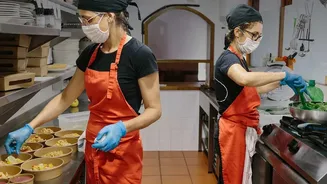
earlier in the year. Key ingredients, from everyday vegetables and edible oils to meat and eggs, have become more expensive. Beyond the pantry, energy costs have been a major pain point. Geopolitical tensions have led to volatile and rising prices for commercial LPG cylinders, a core operational expense for most kitchens. Add to this rising rentals and the significant cost of manpower in a sector with high staff turnover, and the financial squeeze becomes severe.
The Customer Conundrum
While costs are rising, customer expectations remain firmly anchored. Indian diners are famously value-conscious, seeking high quality and a satisfying experience without breaking the bank. After a post-pandemic surge of “revenge dining,” many consumers are now more careful with their discretionary spending. This puts owners in a difficult position. As one restaurateur noted, they can't keep passing every cost increase to the consumer because, at some point, the consumer pushes back. This forces businesses to absorb costs, which directly impacts their already wafer-thin profit margins and their ability to survive and grow.
The Art of Adaptation
Instead of simply hiking prices, many restaurants are getting creative. This is where 'menu engineering' comes into play—subtly redesigning menus to promote items with higher profit margins. Other strategies include innovating with recipes to use more cost-effective ingredients, reducing portion sizes, and sourcing produce directly from farmers to cut out intermediaries. Technology is also playing a bigger role. Some establishments are shifting to induction cooking to reduce reliance on expensive LPG, while others use QR code ordering systems to improve efficiency. The goal is to trim fat from the operation wherever possible without compromising the customer's core experience.
The Unavoidable Price Hike
Despite these efforts, sometimes a price increase is the only option for a restaurant to stay afloat. Many owners see it as a last resort, taken only after all other cost-saving measures have been exhausted. Some chains, for instance, have implemented modest price increases of around 5% after holding them steady for years. However, many are choosing to hold prices, especially during the busy festive seasons, hoping that high sales volume will compensate for lower margins on each order. They are making a strategic bet that maintaining customer footfall is more valuable in the long run than short-term profit gains from a price hike that could alienate loyal patrons.
What's Next for Diners?
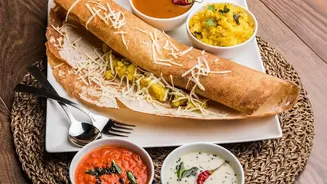
The Indian food services industry, valued at over ₹5.69 lakh crore, is a massive part of the economy and a major employer. Its health affects everyone. For diners, the current climate might mean seeing more curated or smaller menus, an increase in tech-driven interactions like app-based ordering, and a continued rise in 'gourmet-at-home' options. While consumers are increasingly discerning, the social and experiential nature of dining out remains strong. The industry's ability to innovate in the face of these cost pressures will ultimately determine the future of eating out in India, shaping everything from the price of a dosa to the availability of fine dining experiences.