








Paradise Under Pressure
For years, Kerala has grappled with the downside of its own success. Recurring issues of waste accumulation, plastic pollution, and inadequate sanitation at major tourist hubs have threatened the very beauty that draws millions of visitors. Despite numerous
clean-up drives, the challenges of littering and a lack of visitor discipline have persisted, undermining the state's goal to be a leader in sustainable tourism. This has created a critical need for a more proactive and consistent approach to managing the environmental footprint of tourism, moving beyond reactive cleaning to preventative care.
A New Uniform for Sustainability
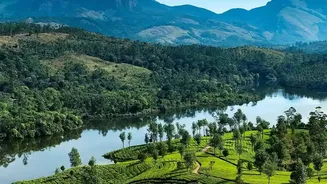
In response, the state's tourism department has launched the Green Marshal initiative, a pilot project announced in the state budget. This plan is designed to create a visible, on-the-ground environmental stewardship team. The pilot phase will see 162 marshals deployed across ecologically sensitive and high-footfall destinations like Munnar, Alappuzha, Kovalam, and Wayanad. The core idea is to shift from simply cleaning up after tourists to actively guiding, educating, and enforcing green protocols in real-time. These marshals are not replacing existing cleaning crews but are working alongside them to create a culture of proactive environmental care.
More Than Just Enforcement
The role of a Green Marshal is multifaceted. Their key responsibilities include monitoring compliance with the state's 'Green Protocol,' which focuses on reducing plastic use and controlling litter. But their job extends far beyond enforcement. They are tasked with visitor engagement, which means orienting tourists, providing information about the local area, and raising awareness about responsible travel habits. They also serve a safety function by monitoring risky behaviour and providing basic emergency assistance. Furthermore, they act as a crucial link to the local community, promoting local homestays, eco-friendly businesses, and regional crafts to visitors.
Who Are the Green Marshals?
The initiative is open to both men and women between the ages of 20 and 40 who hold a bachelor's degree in tourism and travel management. Preference is given to local residents and members of existing community groups like Kudumbashree, ensuring the program provides local employment and is rooted in the community it serves. Selected candidates undergo a mandatory seven-day hybrid training program certified by the Kerala Institute of Tourism and Travel Studies (KITTS) and the Responsible Tourism Mission. This training covers everything from environmental practices and visitor engagement to safety protocols and communication skills. On duty, they wear a distinctive forest-green and white uniform, making them easily identifiable and approachable representatives of Kerala's commitment to clean and safe tourism.
A Model for Women-Friendly Tourism
A significant aspect of the Green Marshal program is its focus on empowering women and making destinations safer for female travellers. The initiative aims to enhance women's safety and ensure hygienic conditions at key tourist sites. By training and deploying women as guides and marshals, the program seeks to provide a more comfortable and secure environment for the growing number of solo female travellers. This aligns with Kerala's broader goal of promoting women-friendly tourism, which also includes plans for 'Pink Autos' driven by women and cultural tours led by female artisans. The financial empowerment of local women is a key objective woven into the fabric of this environmental plan.
A Test for the Future
As a pilot program, the Green Marshal initiative is a large-scale test. Its success will be evaluated in these initial locations before a decision is made on a statewide rollout. Officials are looking to see how effective the marshals are at improving destination cleanliness, managing visitor behaviour, and enhancing the overall tourist experience. If successful, this visible, community-integrated model of tourism management could provide a blueprint for other popular destinations across India struggling to balance economic growth with environmental preservation. It represents a bold step towards ensuring that 'God's Own Country' remains pristine for generations to come.