




The Ancient Art of Fermentation
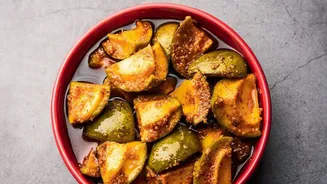
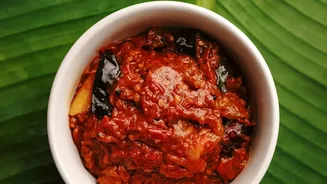
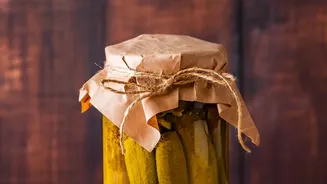
Long before 'probiotic' became a wellness buzzword, our ancestors were mastering the art of fermentation to preserve seasonal produce. Unlike many modern, vinegar-based pickles, traditional Indian achaar often relies on a process called lacto-fermentation.
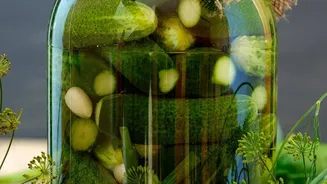
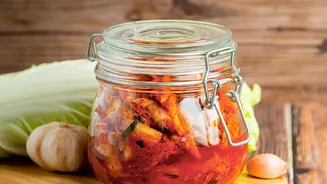
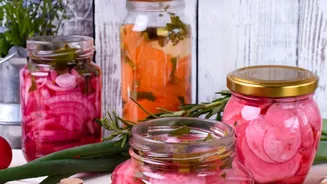
This method involves submerging vegetables or fruits in a salt brine, sometimes with oil and spices, and allowing them to be cured by the sun. This environment encourages the growth of beneficial bacteria, primarily from the Lactobacillus family. These tiny microorganisms get to work, breaking down the natural sugars in the ingredients and converting them into lactic acid. This acid not only acts as a natural preservative, preventing the growth of harmful bacteria, but it also gives the pickle its characteristic tangy and complex flavour.
Probiotics: Your Gut's Best Friends
So, what are these beneficial bacteria, and why do they matter? Probiotics are live microorganisms that, when consumed in adequate amounts, provide a health benefit. Our gut is home to a complex ecosystem of trillions of microbes, collectively known as the gut microbiome. A healthy and diverse microbiome is crucial for proper digestion, nutrient absorption, and a strong immune system. The probiotics found in naturally fermented pickles help to replenish and diversify the good bacteria in your gut. They aid in breaking down food more efficiently, which can reduce issues like bloating and indigestion, and contribute to a healthier digestive tract.
Not All Pickles Are Created Equal
It's important to understand that not every jar of pickle on the shelf is a probiotic powerhouse. Many commercially produced pickles use vinegar and heat pasteurisation to achieve a long shelf life and consistent taste. While this method effectively preserves the vegetables, the acidity of the vinegar and the heat process can inhibit or destroy the live, beneficial bacteria that are the hallmark of fermentation. Truly probiotic pickles are the ones made using traditional methods: salt, spices, and time. Oil-based pickles can also support fermentation, especially when the process is started before all the oil is added, but the key is that fermentation, not just preservation in vinegar, has taken place.
India's Probiotic Powerhouses
India's diverse culinary landscape offers a wide array of fermented pickles. The classic Nimbu ka Achaar (lemon pickle), when made by salt-curing the lemons until they soften, is a prime example. The same goes for many green chilli and mixed vegetable pickles that use salt and sunlight as their primary agents of transformation. Beyond the typical achaars, there is Gajar ki Kanji, a fermented drink popular in North India, especially during Holi. Made by fermenting black carrots, mustard seeds, and salt in water for several days in the sun, Kanji is a tangy, probiotic-rich beverage celebrated for its digestive benefits. These recipes, passed down through generations, are a testament to an intuitive understanding of food science and health.
More Than Just Probiotics
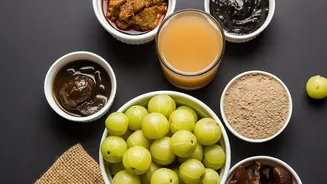
The benefits of traditional Indian pickles extend beyond their probiotic content. The spices commonly used—such as turmeric, fenugreek (methi), mustard seeds, and asafoetida (hing)—are packed with antioxidants and have anti-inflammatory properties. Many of these spices are also known to aid digestion in their own right. Furthermore, the fermentation process can enhance the bioavailability of vitamins and minerals in the vegetables, meaning your body can absorb and utilise these nutrients more effectively. For instance, the process preserves heat-sensitive vitamins like Vitamin C, which is abundant in ingredients like lemon and amla (Indian gooseberry).