






Beyond the Coffee Table
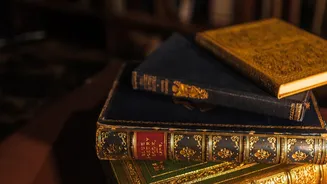
For decades, the quintessential art book was a large, heavy, and expensive volume—a collector's item destined for the coffee table. Publishers like Roli Books and Mapin Publishing have a long history of producing these beautiful, high-quality tomes that
are vital for scholarship and preservation. However, their cost and physical form can limit their reach. The narrative is shifting as a new generation of publishers and creators re-imagines the very form of the art book. This evolution isn't about replacing the traditional; it's about expanding the library. The focus is moving towards creating publications that are not just beautiful, but also approachable in both price and concept, ensuring that a wider audience can own a piece of the conversation.
The Rise of Independent Voices
A significant driver of this change is India's resilient independent publishing scene. Small presses and artist-led initiatives are creating books that are nimble, experimental, and deeply personal. Kolkata-based Experimenter Books, for instance, focuses on artist's books and book objects, collaborating closely with artists to explore the medium's possibilities. Similarly, Chennai's Tara Books has pioneered engagement with folk and tribal art, bringing a diversity of Indian artistic traditions into book form for the first time. These independent ventures often operate with a passion for storytelling over pure commercial interest, allowing them to take risks on unconventional formats and emerging artists, and producing affordable books, zines and other printed matter.
Publishing as Preservation
In a country where art exhibitions are temporary and institutional memory can be short, publishing has become a crucial act of preservation. Galleries like Aakriti Art Gallery have developed extensive publishing programs, viewing their catalogues and monographs not as marketing tools, but as vital archival documents. These publications preserve artworks, curatorial concepts, and critical essays for future scholars and enthusiasts. This archival impulse ensures that important moments in modern and contemporary Indian art are not lost once an exhibition closes, creating a permanent, accessible record that extends far beyond the gallery walls.
Art for Every Child
Accessibility begins with early exposure. A number of Indian publishers are now creating books specifically designed to introduce children to the country's rich artistic heritage. Publishers like Art1st and Tulika Books have developed series that familiarize children with eminent modern and contemporary artists in a fun, engaging way. These books break down complex ideas into colourful and compelling narratives, fostering a new generation of art lovers. By presenting art as a story to be enjoyed rather than a subject to be studied, they make India's diverse visual culture accessible from a young age.
Innovating for Inclusion
True access means designing for everyone, regardless of ability. Initiatives are emerging to make art accessible to visually impaired individuals through tactile books. These publications use embossed graphics, Braille, and large-print descriptions to represent artworks and monuments, allowing readers to experience art through touch. Organizations like Access for All and collaborations between the National Book Trust and the Daisy Forum of India are pushing the boundaries of what an art book can be, creating multi-sensory experiences that foster a more inclusive culture of art appreciation. These efforts not only serve a specific community but also challenge all creators to think more deeply about how art is communicated and experienced.