



The Living Heart of the Indian Kitchen
Fermentation is a process where microorganisms like yeast and bacteria convert starches and sugars into lactic acid and other compounds. While it has become a wellness trend in the West, in India, it has been a cornerstone of cuisine for centuries, long
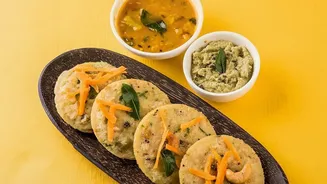
before terms like 'probiotics' entered our vocabulary. This natural transformation isn't just for preservation; it's a fundamental technique that enhances flavour, improves digestibility, and boosts nutritional value. Fermented foods like idli, dosa, and dhokla are lighter, easier on the stomach, and richer in B vitamins than their unfermented counterparts. It’s the secret behind the soft, spongy texture of an idli and the distinct sour tang of a perfectly crisp dosa.
An Art Guided by Senses, Not Spreadsheets
What truly sets Indian fermentation apart is its reliance on intuition over instruction. You won't find many grandmothers measuring the temperature of their idli batter or using a pH strip for their dhokla. The process is guided by sensory wisdom passed down through generations. Cooks learn to read the climate, knowing that a batter needs more time to rise on a cool winter day and might be ready in just a few hours during a sweltering summer. They know the perfect consistency of the batter by touch and can tell if it's ready by the faint, sour aroma it emits. This intuitive approach stands in contrast to many Western fermentation practices, which often involve precise measurements, controlled temperatures, and specific feeding schedules for starters. In the Indian kitchen, the recipe is a living, adaptable guide, not a rigid set of rules.
From Breakfast Staples to Regional Treasures
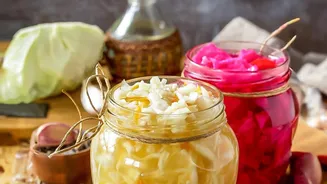
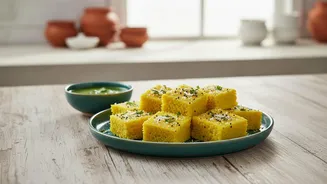
The most famous examples of this tradition are South India’s idli and dosa, made from a fermented batter of rice and urad dal. In Gujarat, dhokla is a beloved spongy cake made from a fermented mix of rice and chickpea flour. But the practice extends far beyond these well-known dishes. Across the country, you'll find a vast diversity of fermented foods. There's kanji, a tangy North Indian drink made from black carrots and mustard seeds. In the East, particularly in states like Sikkim and Nagaland, leafy greens and bamboo shoots are fermented to create pungent side dishes like gundruk and khorisa. Even leftover rice is transformed into pakhala in Odisha by soaking it in water overnight, allowing it to ferment slightly into a cooling, probiotic-rich meal.
The Unseen Science of Tradition
This age-old wisdom is, in fact, rooted in sophisticated science. The fermentation in dishes like idli is carried out by a complex community of naturally occurring yeasts and bacteria present on the grains and in the environment. These microorganisms work together to produce carbon dioxide, which leavens the batter and creates its signature airy texture, and lactic acid, which provides the characteristic tangy flavour and helps preserve the food. By using a small amount of a previous batch to start a new one, a practice known as 'backslopping,' home cooks have unknowingly curated unique microbial cultures perfectly adapted to their local ingredients and climate for generations. This method creates a diverse microbial 'library' in each batch, something a single-strain commercial starter could never replicate.