






Mastering Your Fuel Strategy
Fuel is often the single biggest expense on a road trip, but with a little forethought, you can manage it effectively. Start by knowing your vehicle’s average mileage (km/L) to estimate your total fuel needs. Several online fuel calculators can help you budget
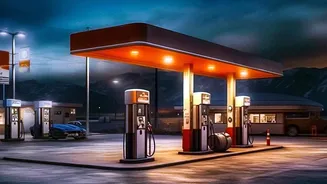
accurately. Fuel prices in India vary significantly from state to state due to different local taxes. As of mid-2026, petrol prices in major cities like Delhi hover around ₹102 per litre, while in Mumbai, they are closer to ₹111. Smart travellers plan their refuelling stops in states with lower prices. Apps like GasBuddy or the 'search along route' feature in Google Maps can help locate petrol pumps, which is crucial when travelling through remote areas where availability might be sparse. Don't let your tank run close to empty in unfamiliar territory. A good rule is to refuel when you have about a quarter of a tank left, especially on state highways or rural roads.
Decoding India's Toll System
Gone are the days of fumbling for cash at toll plazas. FASTag, an electronic toll collection system using RFID technology, is mandatory for all four-wheelers and has made highway travel significantly smoother. The tag is affixed to your windscreen and linked to a prepaid wallet or bank account, allowing for automatic deduction as you pass through a toll gate. You can acquire a FASTag from authorised banks or online platforms, with a one-time tag fee typically around ₹100-200 plus a security deposit. To plan your budget, use an online toll calculator which can provide an accurate estimate of the total toll charges for your intended route. These calculators are updated with the latest rates from the National Highways Authority of India (NHAI). Always ensure your FASTag account has sufficient balance before you start, and keep transaction alerts on your phone to track deductions. While the system is efficient, it's wise to have a small amount of cash handy for the rare instance of a system error or for state-level tolls that may not be integrated.
Planning for Unpredictable Weather
India’s weather can be a formidable travel companion, demanding respect and preparation. Your approach must vary depending on the season and region. During the monsoon (June-September), exercise extreme caution. Roads can become slippery, and visibility can drop to near zero. Waterlogging is common in cities and low-lying areas, and it's best to avoid driving through standing water if you can't gauge its depth. In hilly regions, the monsoon increases the risk of landslides and falling rocks. Always check weather forecasts and local advisories before heading into the mountains. Winter travel in the Himalayas presents a different set of challenges. Heavy snowfall can lead to road closures, especially on high passes like Rohtang Pass, which typically shuts down from November to May. Black ice, a transparent layer of ice on the road, is a serious hazard, particularly in the early mornings and evenings. If you plan a Himalayan winter trip, ensure your vehicle is properly serviced, with antifreeze levels checked, and consider using vehicles with 4x4 capabilities for better traction.
Building in Essential Backups
A well-laid plan includes contingencies for when things don't go as expected. Always build buffer days into your itinerary. This extra time can accommodate unforeseen delays like traffic jams, vehicle trouble, or weather-related closures without adding stress. Before you leave, download offline maps of your entire route. Network connectivity can be unreliable in remote or mountainous areas, and having offline navigation is a lifesaver. Pack a comprehensive emergency kit in your car. This should include a first-aid kit, a basic toolkit, a tow rope, a torch, and a tyre inflator. Also, carry snacks and ample water, especially if travelling through sparsely populated regions. Finally, keep a written list of emergency contacts, including roadside assistance and your family members. While digital tools are convenient, a physical backup ensures you're prepared for any situation, allowing you to handle hiccups calmly and continue enjoying your adventure.