





The New Himalayan Office
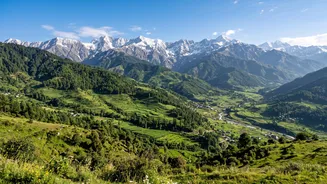
The concept of a 'workation'—a vacation that blends work and leisure—has exploded in popularity, and the serene landscapes of Himachal Pradesh have become a major draw. For tech professionals and other remote workers, the allure of escaping urban chaos
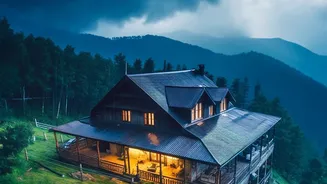
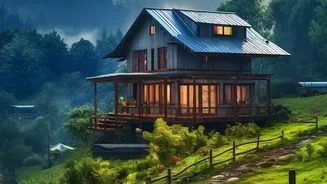
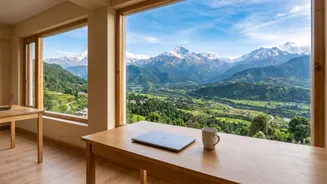
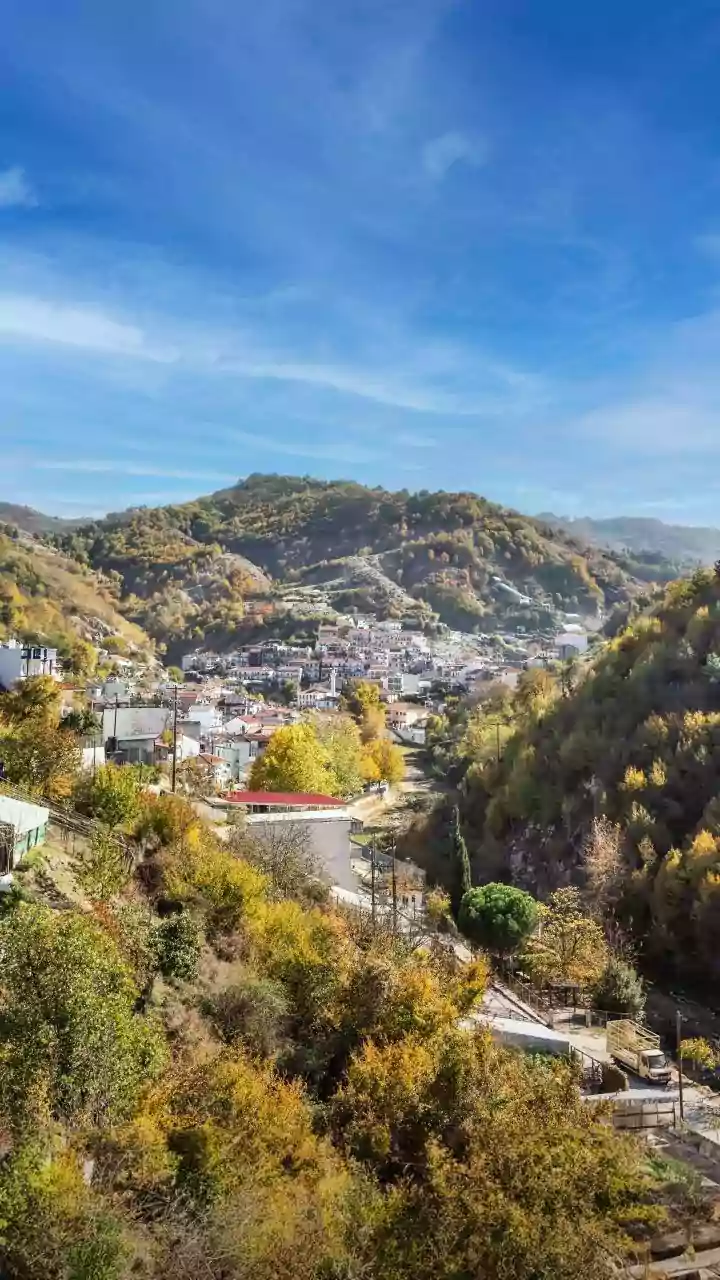
for mountain tranquility is powerful. No longer just for backpackers and trekkers, Himalayan towns are now buzzing with a new kind of visitor: the digital nomad. Hostels, once seen as simple, budget-friendly stopovers, have evolved to meet this demand. They are now rebranding as vibrant community hubs that cater specifically to those who need to stay connected and productive while soaking in the scenery. This shift is turning idyllic mountain villages into viable, long-term operational bases for a growing remote workforce.
Kasol: Riverside Work and Bohemian Vibes
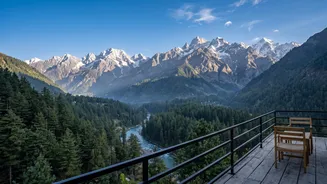
Kasol, nestled in the Parvati Valley, has long been a haven for travellers seeking a laid-back, bohemian atmosphere. Now, its hostels are adapting to the needs of the working traveller. Properties like The Hosteller Kasol Riverside and AmigosIndia offer not just a place to sleep, but an environment conducive to work. Many establishments provide reliable Wi-Fi, a critical amenity that was once a luxury in the mountains. Common areas are being transformed into casual co-working spaces where you can plug in your laptop, and some hostels even feature rooftop cafes with stunning river views, making it easy to find inspiration between tasks. The community aspect is strong, with opportunities to connect with fellow freelancers, coders, and artists after the workday is done.
Bir Billing: Adventure and Productivity
Known as India's paragliding capital, Bir Billing attracts a crowd that loves both adventure and tranquility. This unique blend makes it an ideal workation destination. The town has seen a significant influx of digital nomads, prompting hostels and homestays to upgrade their infrastructure significantly. Places like Zostel, The Hosteller, and dedicated co-living spaces like The Bunker offer robust facilities designed for remote work. Many now boast high-speed fibre internet connections, crucial power backup to handle grid cuts, and even ergonomic chairs. This focus on infrastructure means you can confidently take video calls in the morning and go paragliding in the afternoon, creating a work-life balance that is hard to match elsewhere.
The Tech-Friendly Infrastructure
What makes these hostels truly viable for techies is their investment in co-working infrastructure. The primary concern for any remote worker—internet connectivity—is being addressed head-on. Many hostels in Bir, for example, now advertise fibre optic internet with speeds ranging from 30 Mbps to over 100 Mbps, sometimes with redundant backup lines. Power backup, usually through generators or inverters, is also becoming a standard offering, ensuring that a power cut doesn't derail your deadline. Beyond the basics, some places offer dedicated quiet zones, comfortable workstations, and community events, fostering a productive environment that understands the specific needs of a professional who happens to be working from the mountains.
Life Beyond the Laptop
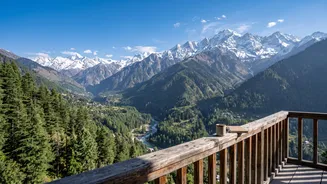
The ultimate appeal of a workation in Kasol or Bir Billing lies in what happens after you close your laptop. In Kasol, a short break could mean a walk along the Parvati River or exploring the nearby village of Chalal. The town's vibrant cafe culture provides endless options for both work and relaxation. In Bir, the day can end with watching the sunset over the Dhauladhar mountain range as paragliders land nearby. The region offers numerous opportunities for trekking, exploring monasteries, and immersing oneself in the local Tibetan culture. These hostels don't just provide a desk and a bed; they offer a gateway to a richer, more balanced lifestyle where productivity and well-being go hand in hand.