



Beyond the Besan Monopoly
For decades, the word 'pakoda' has been almost synonymous with besan (chickpea flour). Whether encasing a slice of paneer, a sliver of onion, or a chunk of potato, besan has been the default batter for India's favourite rainy-day snack. It’s delicious,
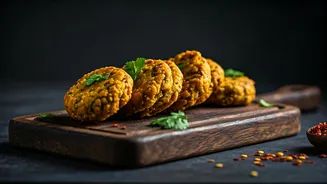
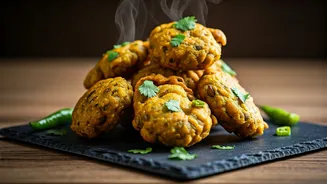
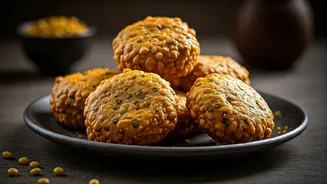
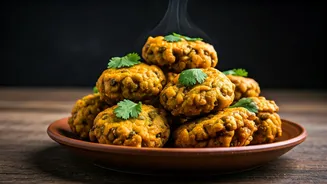
dependable, and deeply ingrained in our culinary DNA. Yet, a subtle shift is underway. Food enthusiasts, health-conscious millennials, and home cooks are championing an alternative that feels both lighter and more exciting: the moong dal pakoda. Made from a batter of soaked and ground yellow or green lentils, these fritters offer a completely different experience—a crispier, fluffier texture and a distinctively earthy flavour that is winning converts one bite at a time.
The Health-Conscious Choice
A significant driver of the moong dal pakoda’s ascent is its perceived health halo. In an era where we want our indulgences to be a little less guilty, moong dal delivers. Compared to besan, moong dal is famously lighter on the stomach and easier to digest. It’s packed with protein and fibre, keeping you fuller for longer. This makes the pakodas feel less like a heavy, greasy indulgence and more like a satisfying, protein-rich snack. When fried correctly, they absorb less oil, resulting in a delightfully airy and crispy shell with a soft, steamy interior. This nutritional edge allows them to fit comfortably into modern dietary preferences without sacrificing the core comfort-food appeal that makes pakodas so irresistible.
A Taste of Street-Style Nostalgia
While it may feel new to some, the moong dal pakoda is a deep-rooted classic. In Delhi and parts of North India, it’s known as ‘Ram Ladoo’, a beloved street food served hot from a giant kadhai, topped with tangy tamarind and mint chutneys and a generous garnish of shredded radish. This isn’t just a snack; it’s an experience. The resurgence of moong dal pakodas is, in part, a celebration of this specific street-food culture. For many, it’s a taste of nostalgia—of after-school treats and bustling market lanes. For others, discovering it for the first time is like unearthing a hidden gem. This connection to a specific, vibrant culinary tradition gives it an authenticity and charm that a generic pakoda often lacks.
The Perfect Canvas for Creativity
The simple, wholesome flavour of moong dal makes it a perfect canvas for culinary creativity. The basic batter is a blank slate. Home cooks and chefs are experimenting by adding finely chopped spinach (palak), fenugreek leaves (methi), or even grated carrots to the mix for added nutrition and flavour. The batter can be seasoned with whole coriander seeds, crushed black pepper, or finely chopped green chillies and ginger to create layers of complexity. More importantly, the pakoda itself is just the beginning. Its true magic is often unlocked by its accompaniments. The traditional radish and chutney pairing is classic, but modern interpretations see them served with a spicy schezwan dip, a creamy yogurt-based sauce, or even as a crunchy element in a chaat, showcasing their incredible versatility.
From Street Corner to Cafe Menu
Perhaps the clearest sign of the moong dal pakoda’s rising status is its journey from the humble street-side cart to the curated menus of trendy cafes and modern Indian restaurants. Chefs are recognizing its potential, presenting it in more refined avatars. You might find them served as an elegant appetiser, a 'small plate' to be shared over drinks, or as part of a larger platter of 'forgotten' Indian snacks. This transition legitimises its place in the modern Indian food scene, introducing it to a wider audience and cementing its status not as a substitute for the besan pakoda, but as a star in its own right.