







A Celestial Spectacle Over Spain
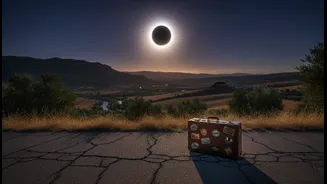
A total solar eclipse occurs when the Moon passes directly between the Sun and Earth, casting a shadow that turns day into an eerie twilight. The 2026 event will trace a path across Greenland, Iceland, and the Atlantic before making landfall in northern
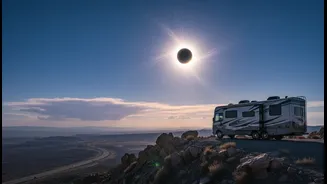
Spain. For up to two minutes, viewers within this 'path of totality' can witness the Sun's stunning corona, an outer atmosphere normally invisible to the naked eye. Spain is the most popular destination for this eclipse, thanks to its favorable weather prospects and extensive tourist infrastructure. The path will cross regions like Galicia, Asturias, Castile and León, and the Balearic Islands before sunset. However, the eclipse happens late in the evening, with the sun low on the horizon, making a clear, unobstructed western view essential.
The Accommodation Scramble
With the eclipse falling in peak August travel season, the demand for lodging is astronomical. As of mid-July 2026, hotels and short-term rentals in key viewing areas like A Coruña, Bilbao, and the Balearic Islands have seen prices skyrocket and availability plummet. For example, hotel prices in Reykjavik, another eclipse location, are up 212% compared to average, with similar surges in Spain. In A Coruña, 81% of short-term rentals are already booked. Many establishments have been fully booked for months, if not years. Some travelers are resorting to booking accommodation in cities outside the path, like Madrid or Barcelona, with the intention of traveling into the zone on eclipse day—a risky strategy.
Navigating the Great Eclipse Gridlock
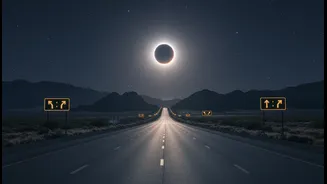
Lessons from past eclipses, such as the 2017 and 2024 events in the United States, serve as a stark warning about traffic. While people may arrive over several days, the departure is often simultaneous, happening right after totality ends. This mass exodus can turn a few hours' drive into a 10+ hour nightmare, especially on rural roads not designed for high capacity. For the 2026 eclipse, authorities expect significant gridlock. Experts advise arriving at your chosen viewing spot days in advance if possible, or at the very least, many hours early on the day of the event. The most crucial advice is to stay put after the eclipse ends; let the initial wave of traffic clear before attempting to leave.
Beyond Bookings: Other Common Pitfalls
The massive influx of people will strain local resources. Expect long queues at restaurants, petrol stations, and supermarkets. Mobile phone networks may become overloaded and unreliable due to the sheer volume of users. It's wise to have physical maps and pre-downloaded information. One of the most critical risks is eye damage. You must use certified solar eclipse glasses (meeting the ISO 12312-2 standard) to look at the Sun during its partial phases. Regular sunglasses are completely unsafe. The only time it is safe to look without protection is during the brief moments of 100% totality. Failure to use proper protection can cause permanent retinal damage, known as solar retinopathy.
Is It Too Late to Plan a Trip?
With less than a month to go, planning a trip from scratch is challenging but not impossible. While prime hotels are gone, some last-minute availability may appear through cancellations or at higher-end resorts offering premium packages. Consider less conventional options, such as official campsites or rural accommodations in towns like Monroyo, which offer organized viewing events away from the largest crowds. Some people are even renting out their private apartments. If you are already in Spain but outside the path, driving in is an option, but you must start extremely early and be prepared for a very long day. For many, the simplest and safest way to experience the eclipse might be to find a location well inside the path and stay there, minimizing travel on the day itself.