
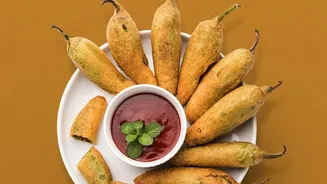
From Mindless Munching to Mindful Choices
For decades, Indian snacking was synonymous with indulgence—deep-fried, savory, and satisfying. But a significant cultural shift is underway. Today's consumers, particularly millennials and Gen Z, are trading mindless munching for mindful choices. This
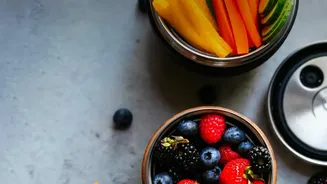
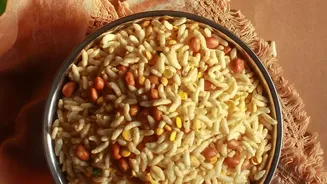
change is driven by a powerful wave of health and wellness consciousness sweeping across the nation. The conversation has moved beyond taste to include nutritional labels, ingredient sourcing, and processing methods. Consumers are increasingly seeking snacks that do more than just fill a gap; they want functional benefits like protein boosts, high fibre, and clean energy. This has led to a boom in products marketed as "baked, not fried," "gluten-free," "high-protein," and made with traditional grains like millets.
The Holy Trinity: Health, Convenience, and Taste
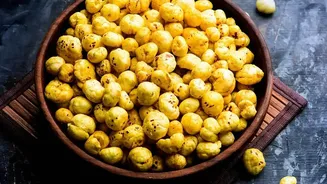
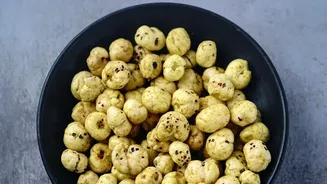
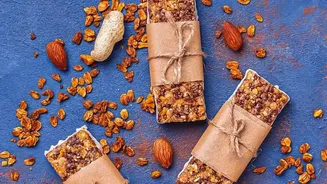
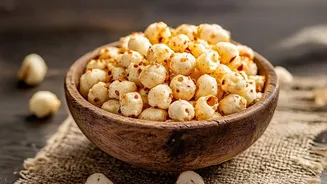
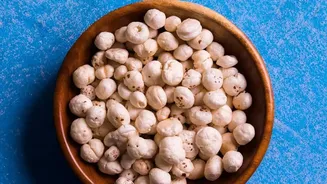
The modern Indian lifestyle, characterized by long work hours and busy schedules, has elevated convenience to a non-negotiable priority. This has fueled the "snackification" trend, where smaller, on-the-go bites often replace traditional meals. However, convenience can no longer come at the cost of health. A consumer study highlighted that while taste remains critical for 94% of buyers, a significant 72% also look for functional health benefits. This has created a sweet spot for new-age brands that successfully balance all three factors. Products like protein bars, roasted makhana, nuts and seeds, and baked millet snacks are winning because they offer a guilt-free, portable, and flavorful solution for the time-pressed yet health-aware individual. The Indian healthy snacks market is projected to grow significantly, with some estimates suggesting a CAGR of nearly 10%, outpacing the global average.
The Rise of the Digital-First Snack Brand
This transformation wouldn't be possible without the rise of Direct-to-Consumer (D2C) brands. Armed with savvy social media marketing and the ability to sell directly through their websites and quick-commerce apps, these startups are disrupting a market once dominated by legacy giants. Brands are building communities around values like transparency and clean labels, offering products free from palm oil, preservatives, and refined flour. They are reinventing traditional ingredients for a modern palate—turning Kerala's banana chips or ancient millets into premium, packaged goods for a national audience. This digital approach allows them to tell a compelling story about their ingredients and connect directly with consumers who are eager to know what's in their food and where it comes from.
Millets Make a Mainstream Comeback
Perhaps no ingredient better represents this new snack era than millets. Once considered a traditional, rural staple, millets like ragi, jowar, and bajra are now at the forefront of the healthy snacking movement. Propelled by government initiatives and a consumer push for nutrient-dense, gluten-free alternatives, millets are appearing in everything from cookies and crackers to ready-to-eat mixes. Sales of millet-based packaged foods have seen a dramatic increase, showcasing a clear consumer pivot towards indigenous superfoods. This trend highlights a deeper desire to reconnect with Indian food traditions, but in a format that fits contemporary lifestyles. Brands are succeeding by making these ancient grains accessible, tasty, and convenient for the urban pantry.