







In the age of sprawling, air-conditioned shopping malls, the humble local market can seem like a relic. But beyond the curated perfection of chain stores lies a world of vibrant, authentic, and rewarding shopping experiences.
Redefining 'Better Value' Beyond the Price Tag
The term 'value' is often
mistaken for 'cheapest'. While malls compete on discounts for mass-produced goods, local markets offer a different, more profound kind of value. For fresh produce, prices are often lower because the supply chain is shorter—goods travel from a nearby farm directly to you, cutting out middlemen. This means vegetables and fruits are not only more affordable but also significantly fresher, retaining more nutrients than produce that has travelled for days or weeks to a supermarket shelf. Beyond groceries, the value lies in quality and durability. Handcrafted furniture, textiles, and decor found in local bazaars are often made with superior materials and attention to detail, promising a longer lifespan than their factory-made counterparts. While the initial cost might be higher than a flat-pack equivalent, the longevity and timelessness of the piece deliver greater value over time.
The Thrill of the One-of-a-Kind Find
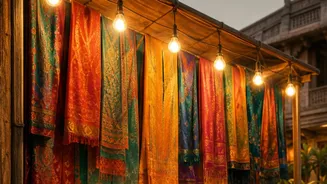
Shopping malls offer predictability; you know which brands and products you will find. Local markets, however, offer discovery. Each visit is a treasure hunt. You might stumble upon exquisite Naga shawls in Kohima, vintage Bollywood posters in Mumbai's Chor Bazaar, or fragrant, hand-poured soaps from a local artisan you will not find anywhere else. These markets are incubators for creativity, giving a platform to small-scale artists, designers, and chefs. In Delhi's Dilli Haat, for example, you can find handicrafts and foods from every state in India, a curated diversity impossible to replicate in a mall. This is where you find items with a story—a block-printed sari whose pattern has been passed down through generations, or a jar of chutney made from a secret family recipe. These unique finds allow you to express a personal style that cannot be bought off a mannequin.
An Experience That Engages the Senses
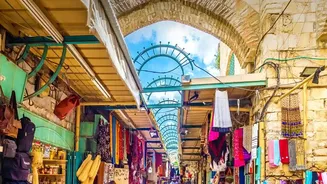
A shopping mall is a controlled, sterile environment. A local market is a symphony for the senses. Think of the chaotic charm of Hyderabad's Laad Bazaar, with the glistening of lacquer bangles and the rich aroma of Hyderabadi biryani hanging in the air. It’s the sound of vendors calling out, the friendly chaos of bargaining, and the vibrant colours of fresh flowers, spices, and textiles. This sensory engagement turns a simple shopping trip into a memorable cultural experience. You are not just a consumer; you are a participant in a living tradition. This atmosphere fosters a more mindful approach to shopping, encouraging you to slow down, look closely, and appreciate the craftsmanship and effort behind each product.
The Power of Community and Connection
Perhaps the most significant advantage of choosing a local market is the human connection. When you buy from a local vendor, you are often speaking directly to the person who grew the vegetables, designed the jewellery, or wove the fabric. This interaction builds trust and community. Over time, vendors remember you, share stories, and offer personalised recommendations. Economically, the impact is profound. Money spent at a local market overwhelmingly stays within the community, supporting local families and creating local jobs. Studies show that for every dollar spent at a locally owned business, a much larger percentage is recirculated back into the local economy compared to money spent at a national chain. By choosing the market, you are making a direct investment in the prosperity and resilience of your own neighbourhood.