


1. Garam Masala: The Warming Blend
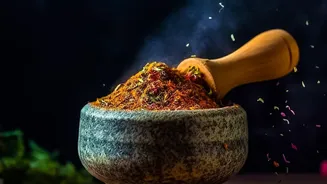
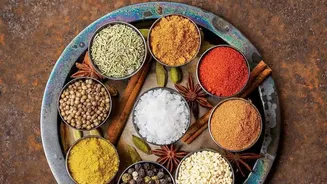
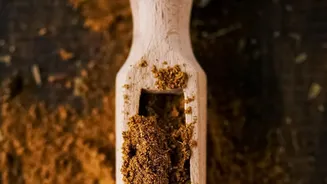
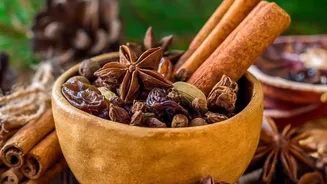
Perhaps the most famous Indian spice blend, Garam Masala translates to 'hot spices'. This name refers not to chilli heat, but to its traditional use in Ayurveda to warm the body. A typical North Indian blend includes cinnamon, cloves, cardamom, cumin,
and black pepper. Traditionally, this combination was believed to stimulate 'agni', or the digestive fire, making it a popular finishing spice sprinkled over dishes just before serving to aid digestion and add a complex, aromatic warmth. While countless variations exist across regions and households, its core purpose remains a source of comforting heat, ideal for rich, slow-cooked dishes, dals, and even as a rub for roasted meats and vegetables. Its use is deeply rooted in the Ayurvedic principle of creating internal warmth, especially during cooler seasons.
2. Chai Masala: The Comforting Brew
Masala Chai, or spiced tea, is more than a beverage; it is a ritual of comfort and hospitality across India. The spice blend, or Chai Masala, is what gives it its iconic flavour and traditionally recognized benefits. Its origins are traced to ancient Ayurvedic practices, where warming spices were brewed as wellness concoctions long before tea leaves were added. A classic Chai Masala combines ginger, cardamom, cinnamon, cloves, and black pepper. Traditionally, these spices were chosen for their perceived ability to aid digestion, provide a gentle energy boost, and offer comfort. Ginger is traditionally known for soothing the stomach, while cardamom and cloves add a fragrant aroma believed to be uplifting. Enjoying a cup of masala chai is a daily practice for many, a way to punctuate the day with a moment of warmth and fragrant solace.
3. Trikatu: The Pungent Digestive Trio
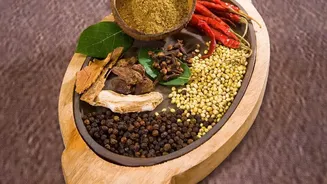
Trikatu, meaning 'three pungents' in Sanskrit, is a classic Ayurvedic formulation combining three potent spices in equal parts: dried ginger (sunthi), black pepper (marich), and long pepper (pippali). It is not typically used for everyday flavouring in the way garam masala is, but is highly regarded in Ayurvedic tradition as a stimulant for sluggish digestion. Traditionally, Trikatu is used to kindle the digestive fire (agni) and help the body process food more efficiently, particularly heavy meals. It's also believed to help clear mucus accumulation, making it a popular choice in traditional practices for respiratory comfort during cold, damp seasons. Because of its intensely heating nature, it's traditionally used with caution, but it holds a significant place as a blend intended to support the body's metabolic and digestive processes.
4. Hingwashtak Churna: The Gut-Soothing Powder
This is another specialised Ayurvedic blend with a very specific traditional purpose: supporting digestive comfort. The name comes from 'hing' (asafoetida) and 'ashta' (eight), referring to its eight ingredients. A typical formulation includes asafoetida, ginger, black pepper, long pepper, ajwain (carom seeds), rock salt, and both black and white cumin. In traditional use, Hingwashtak Churna is valued for its carminative properties, meaning it's believed to help alleviate gas, bloating, and abdominal discomfort. The combination of warming spices and salt is thought to balance 'Vata', the dosha in Ayurveda often associated with gas and bloating. It is traditionally taken in small quantities with warm water or ghee, often before a meal, to prepare the digestive system.
5. Panch Phoron: The Five-Seed Tempering Blend
Unique to Eastern India, particularly Bengal, Panch Phoron means 'five spices' or 'five tempers'. Unlike powdered masalas, this is a blend of five whole seeds: fenugreek, nigella, cumin, black mustard, and fennel. Its traditional use is in 'tadka' or 'phoron', where the seeds are sizzled in hot oil or ghee at the beginning of cooking. This process infuses the oil with their distinct aromas and flavours before other ingredients are added. Each seed brings a traditional benefit; fennel and cumin are associated with digestion, fenugreek with blood sugar balance, and mustard with its warming properties. The result is a complex flavour profile that is nutty, slightly bitter, and sweet. It’s the signature taste in many Bengali dals, vegetable dishes, and pickles.