






The Reality of the Rupee
The most significant factor behind this changing mindset is simple economics. With retail inflation hovering around 5% and the cost of essentials like food and fuel rising, household budgets are under considerable strain. Recent reports from October 2026
indicate that overall festive spending in urban India is projected to decrease this year. One survey noted that while 77% of urban consumers plan to spend during the festive season, they are being highly selective, focusing on just one or two categories. This financial pressure forces a re-evaluation of discretionary spending. A one-time-use, high-cost luxury item that gathers dust after Diwali seems far less appealing than a product that serves multiple purposes throughout the year. Shoppers are asking a crucial question before every purchase: 'Is this worth it in the long run?'
Redefining Value and 'Premium'
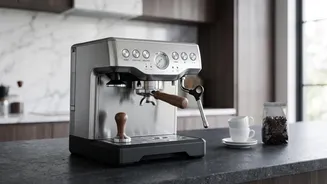
The definition of 'value' itself is undergoing a transformation, especially among Millennial and Gen Z consumers. Value is no longer just about getting the cheapest deal; it’s about utility, durability, and smart design. A product that solves multiple problems—like a convertible piece of furniture for a compact apartment, a kitchen gadget that can air-fry, bake, and grill, or a modular wardrobe system—offers a higher perceived value than a single-function item. This mindset extends to 'premium' goods as well. For many, a premium experience is now tied to craftsmanship, longevity, and functionality rather than just a brand name. Consumers are willing to pay more, but only if the product delivers tangible, long-term benefits that justify the cost.
The Rise of the Conscious Consumer
Beyond budgets, a powerful ethical and environmental consciousness is influencing purchasing decisions. There's a growing awareness of the waste generated by fast fashion and single-use festive decor. Many urban shoppers, particularly younger ones, are actively seeking sustainable alternatives. They are questioning the lifecycle of a product: Where did it come from? Who made it? And where will it go after they are done with it? Multi-utility products align perfectly with this 'buy less, but better' philosophy. A versatile, well-made item is seen as an investment against future consumption and a vote against a throwaway culture. Brands that offer transparency in their supply chains and use eco-friendly materials are increasingly winning the trust of this discerning demographic.
From Status Symbol to Life Solution
The role of a product in a consumer's life is also changing. Historically, luxury purchases were often about signalling status. While this still exists, there is a growing movement towards buying products that actively improve one's quality of life. A smart, multi-functional appliance isn't just a gadget; it's a time-saver for a busy professional. A sofa-bed is not just furniture; it’s a space-saving solution for hosting guests in a modern, smaller home. This focus on practical solutions is a hallmark of the new urban consumer. They are investing in items that make their lives easier, more efficient, and more comfortable. The 'luxury' is found in the seamless function and clever design, not just in the price tag or the logo.
Examples in the Modern Home
This trend is visible across various product categories. In fashion, consumers are opting for classic, versatile pieces that can be styled in multiple ways for different occasions, rather than a heavily embellished outfit worn only once. In home goods, instead of buying separate gadgets, shoppers gravitate towards all-in-one food processors or multi-cookers. In electronics, a high-quality tablet that serves for work, entertainment, and reading is preferred over separate devices. Even in gifting, the trend is shifting towards experiences or practical items that the recipient will use regularly, moving away from purely decorative or symbolic presents that have a short shelf life.