


Why the Weather is So Extreme
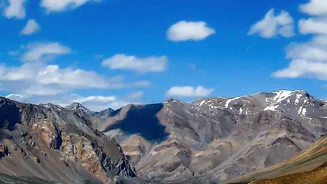
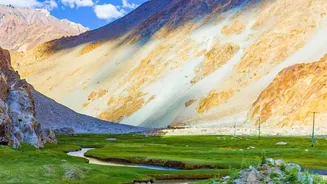
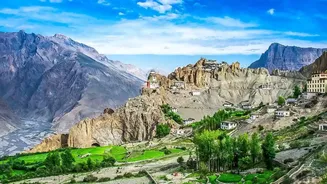
Ladakh is a high-altitude cold desert, sitting in the rain shadow of the Himalayas at an average elevation of over 10,000 feet. This geography creates a unique and volatile climate. The air is thin, humidity is low, and UV radiation is strong. The most
defining feature is the dramatic temperature swing between day and night. A sunny summer afternoon in Leh might be a pleasant 25°C, but the temperature can easily drop to 10°C or lower after sunset. This extreme diurnal variation means a single day can feel like it spans multiple seasons, catching unprepared travellers off guard. While the region receives very little rainfall, occasional showers, especially in July and August, can cause flash floods and landslides.
Flights: A Game of Weather Roulette
For most visitors, the journey to Ladakh begins by air, landing at Leh's Kushok Bakula Rimpochee Airport. However, this airport is one of the most challenging in the world due to its high altitude and surrounding mountains. Flight operations are highly dependent on clear visibility and stable weather. Sudden snowfall, heavy cloud cover, or strong winds can lead to delays, diversions, or outright cancellations, sometimes for days. Even in the peak summer months, weather can disrupt schedules. This makes it crucial to build buffer days into your itinerary. Booking a flight that lands early in the morning increases your chances of a successful landing, as weather conditions are often more stable before noon. Always check with your airline for the latest updates before heading to the airport.
Roads That Can Vanish Overnight
The road trips to and within Ladakh are legendary, but they are also at the mercy of the mountains. Key arteries like the Srinagar-Leh and Manali-Leh highways, as well as internal passes like Khardung La and Chang La, are prone to sudden closures. Unexpected heavy snowfall, even in summer, can block high passes. More commonly, periods of rain can trigger landslides and flash floods, washing away sections of road and causing long blockages. The Border Roads Organisation (BRO) works tirelessly to clear these routes, but closures can still last for hours or days. If you are planning a road trip, flexibility is your greatest asset. Always have a backup plan, monitor official road status updates from local authorities, and avoid travelling during periods of heavy rainfall advisories.
Altitude Sickness: The Invisible Challenge
Acute Mountain Sickness (AMS) is a serious health risk in Ladakh, where most destinations are above 10,000 feet. It occurs when your body doesn't get enough time to adjust to the lower oxygen levels at high altitude. Symptoms include persistent headaches, nausea, dizziness, and difficulty sleeping. Physical fitness offers no protection against AMS; even the most athletic individuals can be affected if they ascend too quickly. The most critical mistake travellers make is rushing their itinerary. Upon arriving in Leh (11,500 ft), you must allow your body a minimum of 24-48 hours to acclimatize before ascending to higher altitudes like Pangong Lake or Khardung La. This means complete rest on your first day. Staying hydrated by drinking 3-4 litres of water daily and avoiding alcohol are also crucial preventative measures.
Packing for Four Seasons in a Day
Given the weather's volatility, smart packing is non-negotiable. The key is layering. Instead of a single heavy jacket, pack multiple layers that you can add or remove as conditions change. Your packing list should include thermal undergarments, fleece jackets, and a windproof and waterproof outer shell. Even in summer, you will need warm clothes for the chilly nights and early mornings, especially at higher altitudes where temperatures can drop below zero. Because of the thin atmosphere, the sun is incredibly strong, so high-SPF sunscreen, sunglasses, and a wide-brimmed hat are essential to prevent severe sunburn. Sturdy walking shoes are a must, as is lip balm to combat the dry air.
Choosing Your Travel Window
The best time to visit Ladakh is generally from June to September when the weather is most stable and all roads and passes are typically open. July and August are the peak tourist months, offering warm daytime temperatures but also the highest crowds and a greater chance of occasional rain-related disruptions. September is considered a 'golden month' by many, with fewer tourists, crisp air, clear blue skies, and beautiful autumn colours, though temperatures begin to drop. The shoulder months of May and October offer fewer crowds but come with colder weather and a higher chance of road closures. Winter travel (November to April) is for the most intrepid, as roads are closed and temperatures are extreme, though it offers unparalleled solitude and unique experiences like the Chadar Trek.