

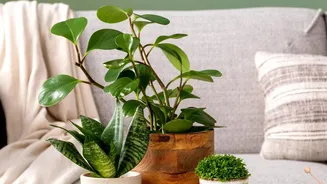

Why Your Desk Needs a Plant
In our increasingly urban lives, bringing a bit of the outdoors inside can have a surprisingly positive impact. For those with limited space, a small plant on a desk or bedside table is more than just decoration. It’s a living element that can soften
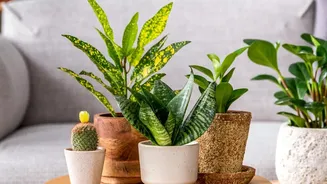
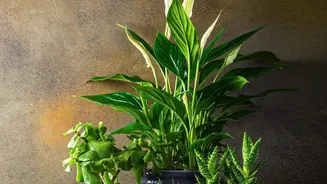
the hard lines of a room, boost your mood, and add a calming presence to your personal workspace or resting area. Plants can make a compact room feel more alive and vibrant. Choosing the right one, however, is key. You need something that won't outgrow its welcome, can handle indoor conditions, and ideally, doesn't demand constant attention. This is where two champions of the houseplant world come in: the Snake Plant and the Pothos.
The Air-Purifying Promise: Myth vs. Reality
One of the most talked-about benefits of these plants is their ability to clean the air. This claim is rooted in a well-known 1989 NASA study which found that certain houseplants could remove common volatile organic compounds (VOCs) like formaldehyde and benzene from sealed environments. Both snake plants and pothos were included in this research. The snake plant is particularly notable for releasing oxygen at night, making it an excellent bedroom companion. However, it's important to have realistic expectations. While the science is sound, subsequent analysis has shown that you would need a very large number of plants to significantly purify the air in a typical room with normal ventilation. Think of your desk plant not as a high-tech air filter, but as a small, natural contributor to a healthier indoor environment.
Meet the Snake Plant: The Survivor
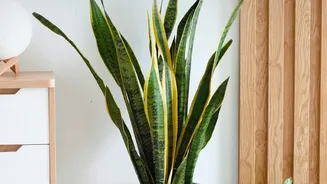
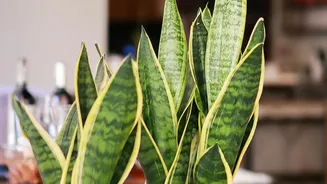
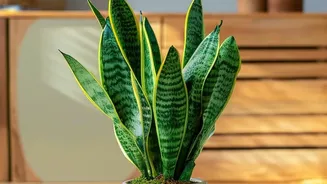
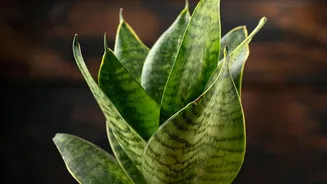
The Snake Plant, or Dracaena trifasciata (formerly Sansevieria), is famous for its resilience. With its stiff, upright, sword-like leaves, it has a modern, architectural look that fits perfectly into minimalist or contemporary decor. Its vertical growth habit means it has a small footprint, making it ideal for a crowded desk where surface area is precious. These plants are incredibly forgiving and are a perfect choice for absolute beginners. They are drought-tolerant and can survive for weeks without water, making them ideal for forgetful owners or those who travel frequently. They are also adaptable to a wide range of light conditions, from low light to bright, indirect sunlight, though they grow best with a bit more light.
How to Care for a Snake Plant
Caring for a snake plant is simple: less is more. The biggest danger is overwatering, which can cause root rot. Allow the soil to dry out completely between waterings—this could mean watering as little as every two to four weeks, and even less in the winter. When you do water, do so thoroughly until water runs out the drainage hole, but don't let the pot sit in a saucer of water. Snake plants prefer well-draining soil, like a cactus or succulent mix. They are not heavy feeders; a general-purpose houseplant fertiliser once or twice during the spring and summer growing season is plenty. Finally, keep them away from curious pets and children, as the leaves are mildly toxic if ingested, which can cause stomach upset.
Meet the Pothos: The Trailing Enthusiast
Pothos, also known as Devil's Ivy (Epipremnum aureum), is another superstar of the low-maintenance plant world. Unlike the upright snake plant, pothos has a trailing, vine-like nature. You can let its heart-shaped leaves cascade gracefully from the edge of your desk or a high shelf, adding a dynamic, lush feel to your room. It's a fast grower and incredibly communicative; its leaves will visibly droop when it's thirsty, taking the guesswork out of watering. Like the snake plant, it tolerates low light but will show its best growth and, for variegated types, its best colour in bright, indirect light.
How to Care for a Pothos
Pothos is almost as forgiving as the snake plant. Water it when the top inch or two of soil feels dry. It's better to underwater than to overwater. If you see yellowing leaves, it’s often a sign of too much water. It thrives in standard potting soil and appreciates higher humidity, but will do just fine in average household conditions; an occasional misting can be beneficial. To encourage a fuller plant, you can trim back the vines, which also gives you cuttings that are incredibly easy to propagate in water to create new plants. Similar to the snake plant, pothos contains calcium oxalate crystals and is toxic to cats and dogs if chewed on or eaten, so place it where pets cannot reach it.