






From Kitchen Staple to Commercial Star
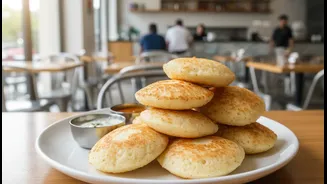
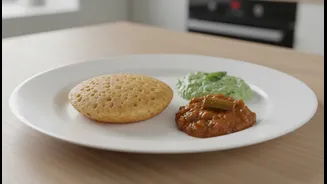
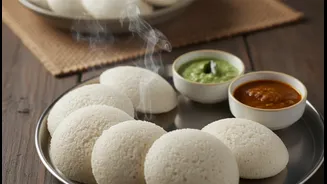
For generations, the idli has been a symbol of a healthy, home-cooked meal. Steamed, light, and nutritious, it's the go-to breakfast in millions of Indian households. But in recent years, this simple rice cake has found a new identity: a high-growth commercial
product. What was once a laborious, multi-step process of soaking, grinding, and fermenting is now a multi-crore industry. The India ready-to-eat food market is experiencing explosive growth, with projections showing a compound annual growth rate (CAGR) of over 15%. Within this boom, the idli, and specifically its batter, has emerged as a star performer.
The Batter Boom Revolution
The single biggest driver of the idli's commercial success is the rise of packaged fresh batter. Companies like iD Fresh Food have revolutionized the market by turning a commodity into a trusted brand. Starting in a small Bangalore kitchen, iD Fresh Food identified a core need: urban consumers wanted the goodness of homemade idlis without the time-consuming preparation. By offering a preservative-free, ready-to-use batter, they tapped into a massive market. Today, the packaged idli and dosa batter market is valued at hundreds of crores and is growing at a faster clip than the overall FMCG sector. This success has not gone unnoticed, with legacy players like MTR Foods also entering the fresh batter segment, investing significantly in production and cold chain logistics to capture a share of the market.
The Driving Forces of Change
So, why is this happening now? A perfect storm of socio-economic factors is at play. Rapid urbanization and the rise of dual-income, nuclear families mean less time for traditional cooking. Consumers are increasingly seeking convenience but are unwilling to compromise on health—a niche the steamed, non-oily idli fills perfectly. This health-conscious, time-poor demographic is willing to pay a premium for products that offer both convenience and a connection to traditional, trusted foods. The expansion of modern retail and the explosion of quick-commerce platforms have also made these fresh products more accessible than ever, delivering them to doorsteps in minutes.
Beyond the Breakfast Batter
The idli's strategic importance isn't limited to retail shelves. It's also becoming a fixture in the Quick Service Restaurant (QSR) space. While international chains once dominated, there's a growing trend of homegrown QSRs focusing on Indian cuisine. Chains specializing in South Indian fare, like Idli Point and Naadbramha Idli, are expanding rapidly through franchise models, taking the idli from a regional specialty to a pan-India fast-food option. These outlets offer a standardized, hygienic, and affordable version of the traditional tiffin room, appealing to office-goers, students, and families looking for a quick and healthy meal.
The Technology of Tradition
Scaling a fresh product like idli batter is a significant logistical challenge. The product has a short shelf-life and requires a robust cold chain, from factory to retail fridge. This is where technology becomes crucial. Leading companies use sophisticated demand forecasting, predictive analytics, and geo-tagged distribution networks to manage a zero-inventory model. This ensures that products are always fresh while keeping wastage to a minimum, a critical factor for profitability in the high-volume, low-margin batter business. This fusion of traditional recipes with modern technology and supply chain management is the secret sauce behind the idli's successful entry into mainstream foodservice strategy.