







Start with the Packaging
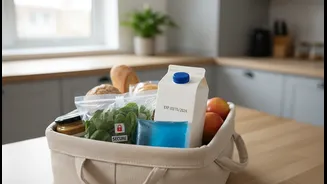
Before you even look at the food, inspect the external packaging. The box or bag should be clean and fully intact. Look for any signs of tampering, such as broken seals, rips, or suspicious holes. For insulated bags carrying cold items, check that they
are properly sealed and still cool to the touch. Any damage could indicate mishandling during transit, potentially exposing your food to contaminants or temperature fluctuations. According to FSSAI guidelines, packaging is crucial for preventing contamination during delivery. Tamper-proof seals have become an industry standard for many platforms to ensure food safety from the restaurant or store to your home. If a package looks compromised in any way, it's best to document it with a photo and report it to the delivery service immediately.
The Critical Temperature Check
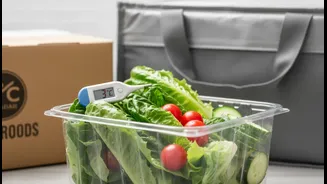
For perishable items like dairy, meat, fish, and pre-cooked meals, temperature is the most critical factor for safety. These foods must be kept out of the 'Danger Zone'—the temperature range between 4°C and 60°C where bacteria can multiply rapidly. Cold items should arrive feeling properly chilled, ideally at or below 4°C. While you may not use a food thermometer for every delivery, a simple touch test can tell you a lot. If a tub of yoghurt, a packet of chicken, or a container of biryani feels lukewarm, it has likely been in the danger zone for too long. As a rule, perishable foods should not be left at room temperature for more than two hours. If the outdoor temperature is high, that window shrinks to just one hour. If you have any doubts about an item's temperature, it is safer to discard it than to risk a foodborne illness.
Inspect the Fresh Produce
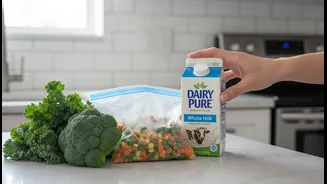
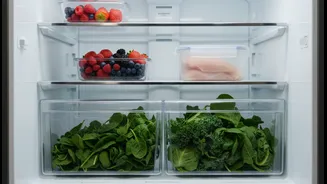
When it comes to fruits and vegetables, your senses are your best tools. You don't have to accept wilted greens or bruised apples. Visually inspect produce for signs of spoilage, such as mould, dark spots, or a slimy texture. Leafy greens should be crisp, not limp. Tomatoes, avocados, and stone fruits should be firm with a slight give, not mushy or rock-hard (unless you specifically requested underripe items). Check for any off smells, which are a clear indicator that the produce is past its prime. While some services offer delivery for 'imperfect' produce, which helps reduce food waste, these items should still be fresh and safe to eat, just aesthetically unconventional. Trust your judgment; if the quality doesn't meet your expectations, it's a valid reason to request a refund or replacement.
Understand Shelf Life and Dates
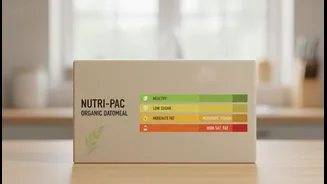
Decoding date labels can be confusing, but it's essential for avoiding both food waste and potential illness. In India, regulations from the Food Safety and Standards Authority of India (FSSAI) provide clarity. The 'Best Before' date is about quality. The food is perfectly safe to consume after this date, but its flavour, aroma, or nutritional value might have diminished slightly. On the other hand, the 'Use By' or 'Expiry' date is a safety deadline. You should not consume food after this date has passed, as it may no longer be safe. For highly perishable items like milk, paneer, and bread, always check these dates upon delivery. Receiving an item that is already past its 'Use By' date or too close to it for you to reasonably consume is a legitimate issue to raise with customer service.
What to Do When an Order Goes Wrong
If your delivery fails any of these checks, don't hesitate to act. Most delivery platforms have a straightforward process for reporting issues like missing items, incorrect products, or poor quality. Before contacting customer service, take clear photos of the problem—whether it's a damaged box, a spoiled vegetable, or an expired date label. This documentation serves as strong evidence and can speed up the resolution process. Companies are often unable to take back delivered food for health and safety reasons, so they will typically issue a refund or credit for the affected items. Your feedback is valuable, as it not only helps you get your money's worth but also holds suppliers and delivery services accountable for maintaining high standards.