




The Numbers in Context
For the six months ending September 30, 2026, Air India is estimated to have incurred a loss of approximately ₹10,500 crore. This figure, derived from the financial disclosures of its 25.1% stakeholder Singapore Airlines (SIA), actually represents a 16%
improvement from the roughly ₹12,500 crore loss posted in the same period last year. The narrowing loss suggests that the initial phases of the airline's Vihaan.AI transformation plan are beginning to yield results, even as massive investments continue. SIA noted that Air India has made 'tangible progress' in its multi-year overhaul. This half-year snapshot is crucial because the airline is in a state of intense flux, making a full-year estimate a speculative exercise at best.
The High Cost of a Rebirth
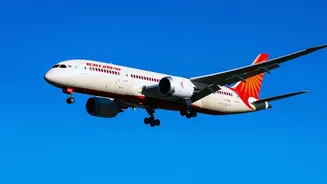
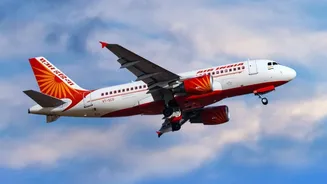
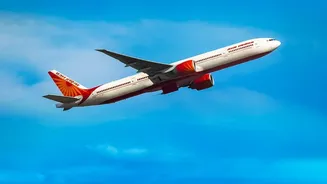
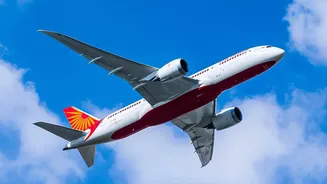
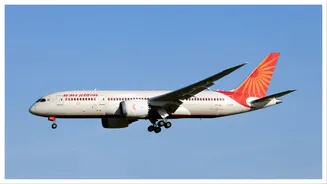
Understanding the loss requires looking at the unprecedented scale of investment. The Tata Group is not just tweaking an airline; it is rebuilding it from the ground up. This involves staggering capital expenditure that directly impacts short-term profitability. A major component is the historic order for 470 new aircraft from Airbus and Boeing. Deliveries are accelerating, with plans to induct a new wide-body aircraft every six weeks through 2027 and a new aircraft overall every six to seven days. Furthermore, the airline is undertaking a massive USD 400 million project to retrofit its existing legacy fleet, including the Boeing 787 and 777 aircraft, with new cabins, seats, and in-flight entertainment systems, a process expected to complete by mid-2027. These expenses are essential to fix the core product but are designed for long-term gain, not immediate profit.
The Complex Vistara Merger
Simultaneously, Air India is navigating the complex integration of Vistara. While the merger is set to create a formidable full-service carrier with a stronger domestic and international network, the process itself incurs significant one-time costs. These include aligning information technology systems, standardising operational procedures, integrating workforces with different cultures, and harmonising service standards. Such mergers are notoriously challenging and costly in the initial stages. While long-term synergies are expected in route optimisation and cost efficiencies, the first half of FY27 is still deep within the integration phase, where costs are front-loaded and benefits are yet to fully materialise.
Patience Over Premature Predictions
This is why focusing on H1 results is more instructive than chasing a full-year estimate. The operating environment is volatile, with external factors like geopolitical tensions, supply chain disruptions, and fluctuating fuel prices constantly shifting the goalposts. The Vihaan.AI transformation plan itself is a five-year roadmap, and profitability was always seen as a long-term goal, not an immediate one. Analysts and even the airline itself have projected that profitability may still be a few years away. The key metrics to watch are not just the bottom-line loss, but also improvements in passenger load factor, on-time performance, market share growth, and the successful induction and deployment of its modernised fleet. The narrowing H1 loss indicates a positive trajectory, but the journey is far from over. It underscores a strategy of absorbing planned losses now to build a sustainable, world-class airline for the future.