
Smarter Rainwear
The single most important item is your rain protection, but not all gear is created equal. While a cheap poncho might seem convenient, it can be a liability on windy trails and offers little real protection during sustained downpours. A two-piece setup
with a waterproof rain jacket and rain pants is a far better investment. Look for jackets with sealed seams and breathable, waterproof fabric. Many experienced trekkers prefer a good rain jacket for mobility and a large poncho that can be thrown over both you and your backpack for an extra layer of protection when the rain is relentless. Remember, “water-resistant” is not the same as “waterproof.” For the Ghats in full monsoon swing, you need the latter.
The Right Footwear
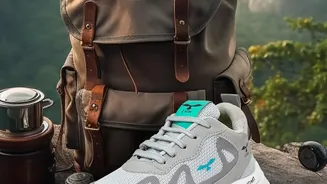
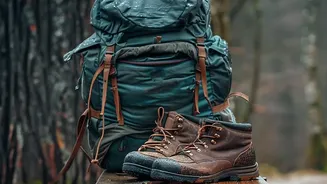
Your choice of footwear can make or break your trip. Trails in the Western Ghats become notoriously slippery, with wet rocks, mud, and slick moss. Look for trekking shoes with a soft rubber sole and deep grooves for maximum grip. High-ankle support is a bonus, offering protection from twists and even snake bites. While waterproof shoes sound ideal, many seasoned trekkers argue against them. Once water gets in (and it eventually will during a long trek or stream crossing), they take forever to dry. A more practical approach is to use lightweight, quick-drying trail shoes with excellent drainage, paired with extra pairs of socks. Never wear brand-new shoes on a trek.
Leech Protection & First Aid
The monsoon brings out the leeches, a common feature of the Western Ghats' forest trails. While their bites are not dangerous, they are unpleasant and can bleed profusely due to an anticoagulant they inject. The best defence is prevention. Wear full-length trekking pants and tuck them into thick, long socks. Specialised anti-leech socks, which are tightly woven and reach up to the knee, offer excellent peace of mind. Your first-aid kit should be monsoon-ready. Include the basics like antiseptic, bandages, and pain relievers, but also add antifungal powder for your feet, rehydration salts (ORS), and any personal medications. Treating minor cuts promptly is crucial as the damp environment increases the risk of infection.
Clothing: Think Quick-Dry
Cotton is your worst enemy during a monsoon trek. Once wet, it stays wet, cold, and heavy, increasing your risk of getting chilled. Instead, pack clothes made from synthetic, quick-dry materials like polyester. Your trekking wardrobe should consist of a couple of quick-dry t-shirts and trekking pants. Always carry at least one complete spare set of clothes, sealed in a waterproof dry bag or a simple plastic bag. Changing into a completely dry outfit at your campsite or hotel after a day in the rain is crucial for comfort and warmth.
Waterproof Your World
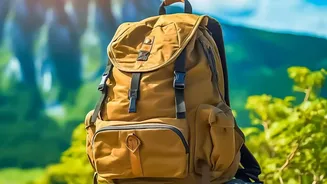
Assume everything that can be damaged by water will be exposed to it. Your backpack is the first line of defence. Even if it is water-resistant, use a dedicated rain cover that fits it snugly. For an extra layer of protection, line the inside of your backpack with a large, heavy-duty plastic bag. The most important items—electronics, wallet, ID, and spare dry clothes—should be packed in smaller, individual waterproof dry sacks or double-bagged in Ziploc-style plastic bags. A waterproof pouch for your phone is essential for quick access without risking water damage.
Essential Accessories
A few small items can make a big difference. A headlamp or torch is non-negotiable, as trails and campsites can get dark quickly, and camp lighting is often limited. A power bank is a lifesaver for keeping your phone and other devices charged. A sun cap, surprisingly, is a great monsoon accessory; wearing it under your raincoat's hood keeps rain from dripping onto your face and improves visibility. Finally, carry a quick-dry towel and a reusable water bottle or hydration bladder to stay hydrated on the trail.