

The City That Never Cools
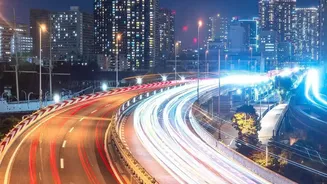
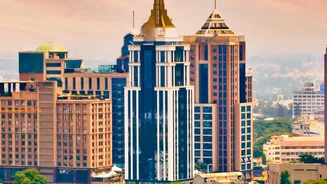
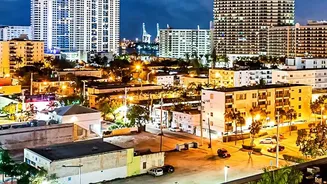
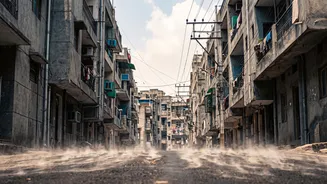
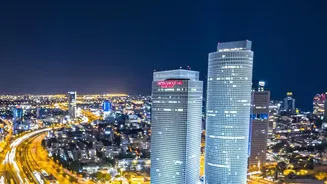
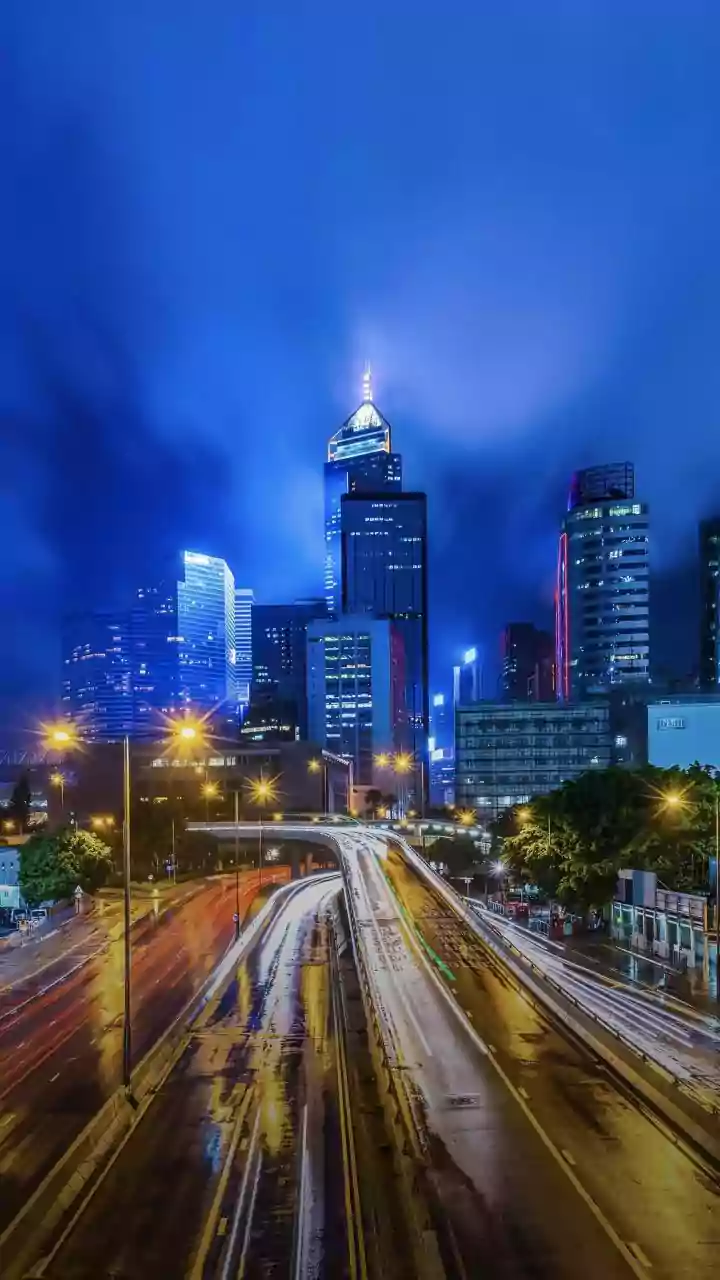
Our cities are getting hotter, and the problem is especially noticeable after the sun goes down. This is due to the 'urban heat island' (UHI) effect, where metropolitan areas are significantly warmer than their rural surroundings. During the day, the vast
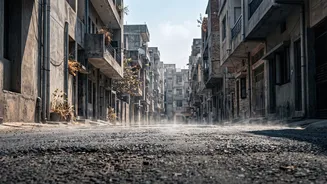
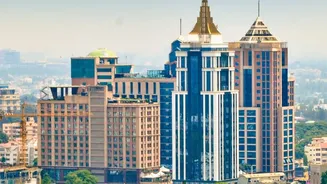
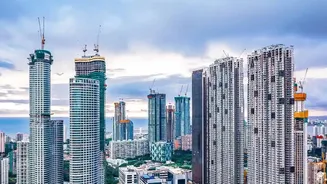
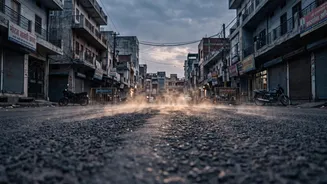
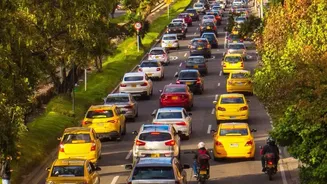
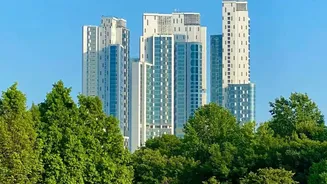
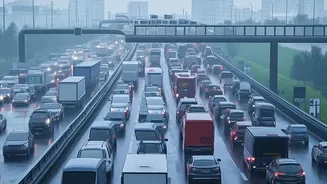
expanses of dark, dense materials that define our cities—asphalt roads, concrete buildings, and rooftops—absorb and store huge amounts of solar radiation. Unlike natural landscapes like forests and fields, which cool down quickly after sunset, these man-made surfaces slowly release that stored heat all night long. This process can keep city centres several degrees warmer than nearby countryside areas, transforming our nights from a time of cool recovery into an extension of the day's oppressive heat.
How Heat Hijacks Your Sleep
A good night's sleep isn't just about feeling rested; it's a critical biological process. A key signal for your body to initiate sleep is a slight drop in its core temperature. However, high ambient nighttime temperatures, especially those that don't fall below 20°C, make it difficult for your body to cool itself down. This thermal stress prevents you from properly recovering from daytime heat and can significantly disrupt your sleep architecture. It leads to more frequent waking, reduced time in the most restorative stages of sleep like deep sleep and REM sleep, and an overall decline in sleep quality. The World Health Organisation recognises that overheating bedrooms at night is one of the most serious health consequences of rising global temperatures.
More Than a Bad Night's Sleep
The consequences of these sleepless, hot nights extend far beyond next-day grogginess. Chronic poor sleep is linked to a host of health problems, including impaired cognitive function and mental health issues. More alarmingly, sustained heat exposure, especially without nighttime recovery, puts immense strain on the cardiovascular system. Studies have shown that high nighttime temperatures are associated with an increased risk of heat exhaustion, heatstroke, and even death, particularly from cardiovascular events like strokes. Vulnerable populations—such as the elderly, young children, individuals with chronic illnesses, and those in lower-income neighbourhoods without access to air conditioning—are disproportionately affected by this relentless nocturnal heat.
Designing Cooler, Restful Cities
The problem may be built into our cities, but that means we can engineer solutions. Urban planners and architects are exploring a range of strategies to combat the UHI effect. One of the most effective approaches is increasing green infrastructure. Planting more trees provides shade, and creating 'green roofs' covered in vegetation can dramatically lower surface temperatures. Another promising area is the use of 'cool pavements'. This involves using more reflective materials for roads and surfaces, such as lighter-coloured concrete or special coatings that absorb less solar energy. Some innovative designs even use permeable pavements, which allow water to evaporate and actively cool the surface. These strategies not only reduce temperatures but can also help manage stormwater and improve air quality.