



The Monsoon's Meaty Marvel
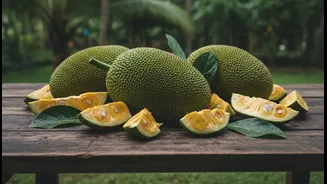
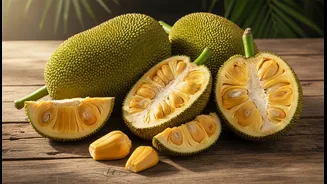
For generations, raw jackfruit has been a staple in Indian kitchens, especially during the summer-to-monsoon transition. Known as ‘kathal’ in the north and ‘chakka’ in the south, this versatile ingredient has a fibrous, meat-like texture that makes it a satisfying
component in hearty dishes. Traditionally, its peak season precedes the heavy rains, making it abundantly available just when cravings for warm, spiced food kick in. Its ability to absorb flavours makes it perfect for slow-cooked curries and biryanis, dishes that bring comfort during a downpour. Furthermore, with fresh produce sometimes limited during the monsoon, the sturdy jackfruit provides a reliable and fulfilling vegetable option.
More Than Just a Sabzi
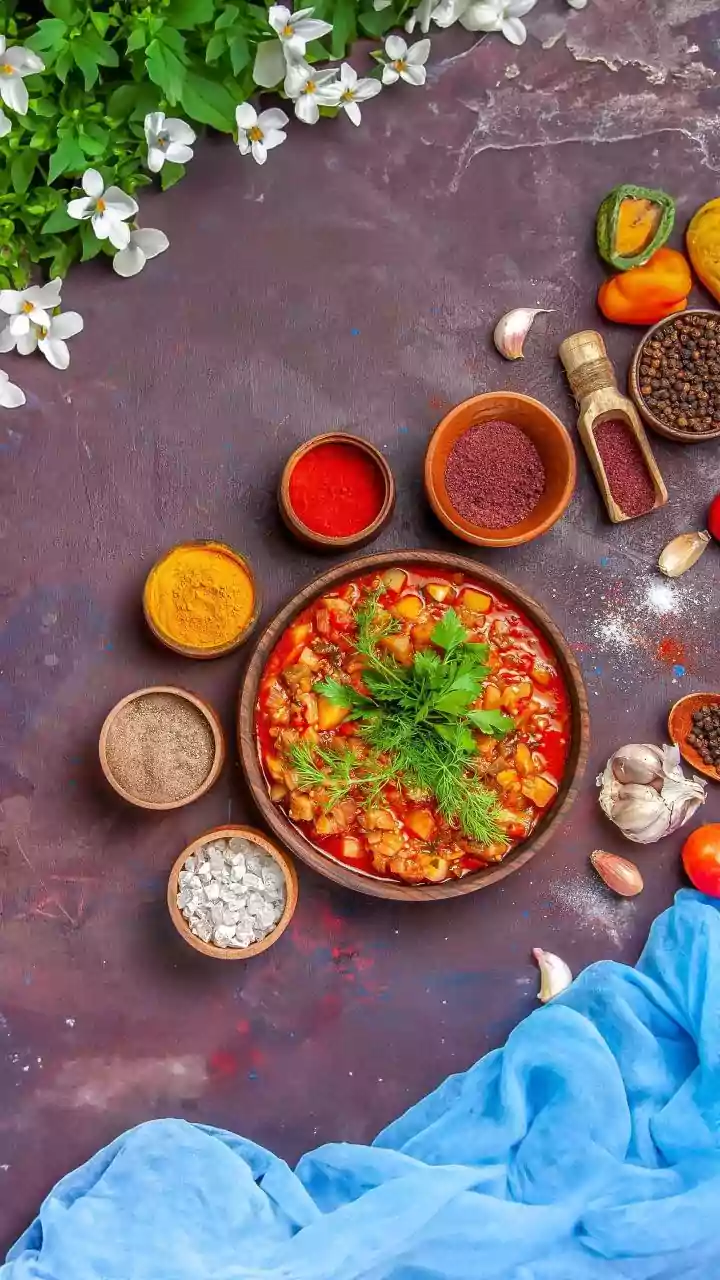
In Indian cuisine, raw jackfruit has never been just one thing. It has always been celebrated for its unique properties, not as a substitute for something else. Traditional preparations are diverse and delicious, reflecting the culinary landscape of the country. In the north, Kathal ki Sabzi, a robust curry made with a spiced tomato-onion masala, is a common household dish. Further south, you might find it in an 'Andhra-Style Panasa Puttu Koora', a spicy and tangy preparation. In Bengal, 'Echorer Kalia' is a celebrated festive dish, while Goans prepare a 'bhaji' with it. From rich kormas and flavourful biryanis to tangy pickles, kathal's versatility has been long established in our culinary heritage.
The 'Upgrade': Kathal's Modern Makeover
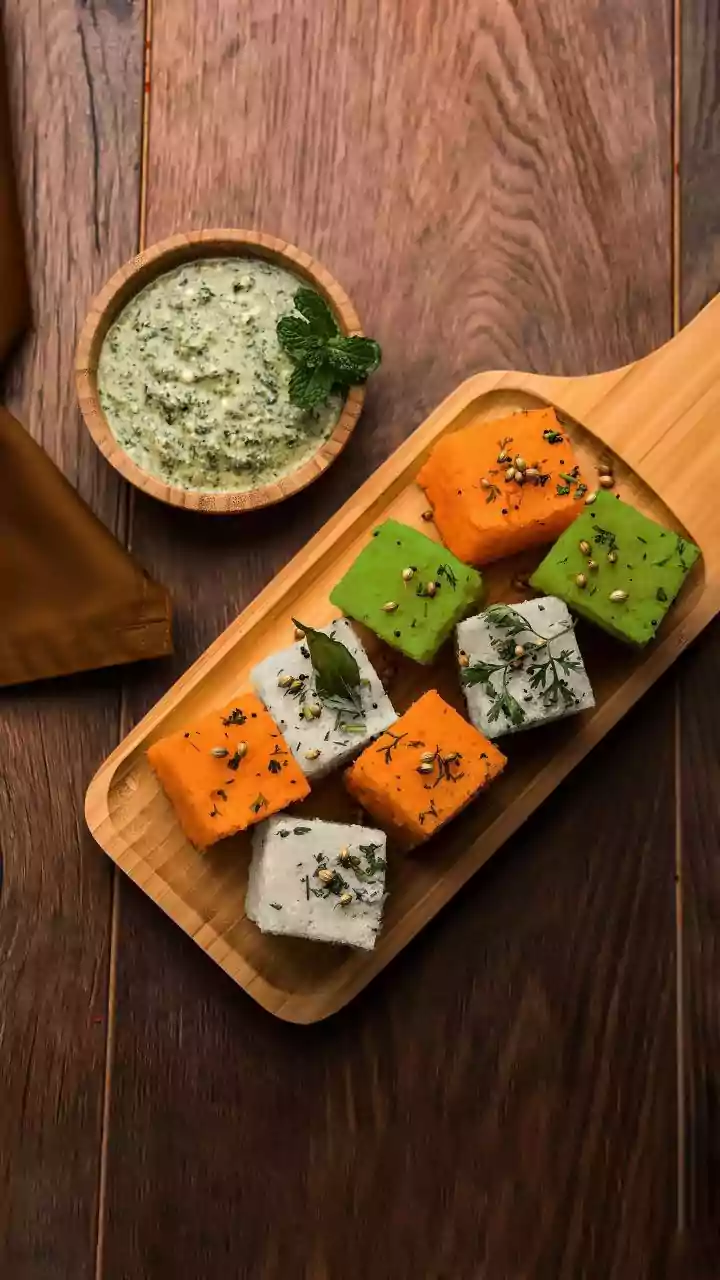
The real upgrade for kathal lies in its global recognition as a plant-based hero, a trend that is now inspiring innovation back home. Its stringy, pulled-meat texture, once appreciated in curries, is now the star of modern, globally-inspired dishes. Chefs and home cooks are moving beyond traditional recipes to create exciting new meals. Imagine biting into a juicy kathal slider, where spiced, shredded jackfruit is piled onto a soft bun. Picture kathal tacos with a zesty salsa, or crispy kathal cutlets served with a mint chutney. This modern makeover is all about showcasing the fruit's texture in new contexts, proving it can be just as at home in a burger as it is in a biryani.
A Nutritional Powerhouse for the Season
Beyond its taste and texture, kathal is packed with nutrients that are especially beneficial during the monsoon, a time when immunity can be a concern. It is a fantastic source of Vitamin C, a powerful antioxidant that helps bolster the immune system and protect against seasonal infections. It's also rich in dietary fibre, which aids digestion, and contains essential minerals like potassium and magnesium. With anti-inflammatory and antibacterial properties, jackfruit has been used in traditional medicine to support overall health, making it a smart and delicious choice for your monsoon diet.
Tips for the Home Chef
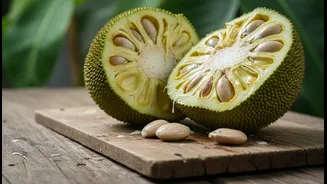
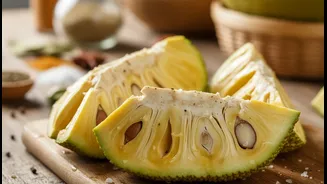
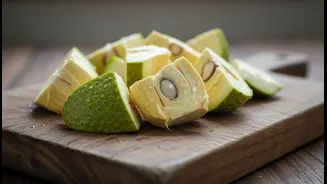
Cooking with fresh, raw jackfruit can seem intimidating due to its spiky exterior and sticky sap, but a few tips make it manageable. The most important rule is to oil your hands and your knife generously with mustard or any other oil before you start cutting; this prevents the latex-like sap from sticking. It’s also wise to lay down newspaper to protect your work surface. Once you've removed the thick green skin and the central core, chop the white flesh into pieces. To prevent browning, immerse the cut pieces in a bowl of salted water. A key trick for great texture is to shallow-fry the kathal pieces until golden brown before adding them to your curry or masala. This searing step helps the pieces hold their shape and absorb spices beautifully.