






Ignoring Weather and Local Alerts
The most fundamental error is treating a monsoon trip like any other. Weather during this season is unpredictable, and a sunny morning can turn into a torrential downpour by afternoon. This can lead to flash floods, landslides, and road closures, especially
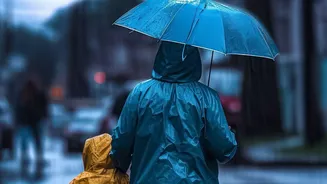
in hilly or coastal areas. Ignoring official warnings from the India Meteorological Department (IMD) or local authorities is a recipe for disaster. The cost isn't just financial; getting stranded or caught in a dangerous situation can ruin your entire trip and pose a serious safety risk. Before you leave and each morning of your trip, check detailed local forecasts and pay attention to news about your route. A 'red' or 'orange' alert isn't a suggestion—it's a sign to delay or change your plans.
Driving Aggressively on Unfamiliar Roads
Monsoon driving requires a completely different mindset. Slick roads dramatically reduce tyre traction, and braking distances increase. Many weekend travellers make the mistake of driving at normal speeds, following other cars too closely, or braking suddenly, all of which can easily lead to skidding or accidents. Another costly error is attempting to drive through waterlogged streets without knowing their depth, which can stall your engine and cause severe, expensive damage. For a safe journey, reduce your speed significantly, maintain a generous distance from the vehicle ahead, and use your headlights on low beam for visibility. If you're unfamiliar with the roads, consider hiring a local driver who understands the terrain and its monsoon-specific hazards.
Packing the Wrong Clothes and Gear
That favourite pair of jeans and cotton t-shirts? Leave them at home. Cotton absorbs moisture and takes forever to dry in the humid monsoon air, leading to discomfort and smelly luggage. The smarter choice is lightweight, synthetic, quick-dry clothing. Many travellers also fail to bring appropriate footwear, opting for shoes that lack grip or fall apart when wet. Waterproof sandals or floaters with good traction are essential for navigating slippery paths and muddy puddles. Finally, assuming your backpack is 'water-resistant' is a costly gamble. A dedicated rain cover for your bag and waterproof pouches for your electronics, cash, and documents are non-negotiable items to protect your valuables from damage.
Underestimating Health Risks
The monsoon is peak season for a host of illnesses. Stagnant water becomes a breeding ground for mosquitoes, increasing the risk of diseases like dengue and malaria, which are widespread in India. Contaminated water and food can lead to typhoid, cholera, and other stomach infections. A common mistake is to dismiss initial symptoms like fever and body ache as a simple flu. This delay can be dangerous, as many monsoon-related illnesses require prompt medical attention. To stay healthy, drink only bottled or boiled water, eat at hygienic places, and use mosquito repellent. Carry a basic first-aid kit with essentials for common ailments and be vigilant about any symptoms that persist.
Making a Rigid, Back-to-Back Itinerary
A packed, inflexible schedule is a setup for failure during the monsoon. Delays are almost inevitable, whether due to waterlogged roads, train schedule disruptions, or flight cancellations caused by poor visibility. A common mistake is packing an itinerary so tightly that there's no buffer for these weather-related interruptions. This can lead to missed bookings, lost deposits, and the stress of constantly rearranging plans. Instead of a rigid plan, build flexibility into your weekend. Keep travel times generous, avoid depending on a single mode of transport, and have backup options for sightseeing. Sometimes, the best plan is to accept that you might have to spend an afternoon enjoying the rain from your hotel balcony instead of rushing to the next spot.