





The Science of a Bad Hair Day
To win the war against frizz, you first need to understand the enemy. Your hair is made of keratin proteins, held together by chemical bonds. While some bonds are strong and permanent, others, called hydrogen bonds, are weaker and temporary. These bonds break
when your hair gets wet and reform as it dries. When the air is humid, it’s saturated with moisture. Since hair is porous, it tries to absorb this excess moisture from the atmosphere. This influx of water molecules causes the hair shaft to swell, disrupting the smooth outer layer known as the cuticle. The result is that dreaded frizz, puffiness, and loss of style. Hair that is dry, damaged, or naturally curly is even more porous and, therefore, more susceptible to the effects of humidity.
Start with a Gentle Wash Routine
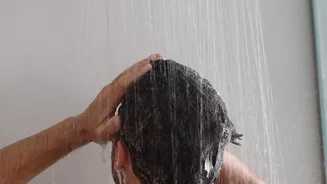
Your fight against humidity begins in the shower. Opt for lukewarm or cool water instead of hot, as hot water can strip your hair of its natural oils, making it drier and more prone to frizz. Using a moisturising shampoo and conditioner is crucial. Look for products with ingredients like keratin, argan oil, and shea butter, which help to smooth the hair cuticle and lock in moisture. By properly hydrating your hair first, you make it less thirsty for the moisture in the air. A cool water rinse at the very end of your shower can also help seal the cuticles, creating a smoother surface.
The Post-Shower Power Move
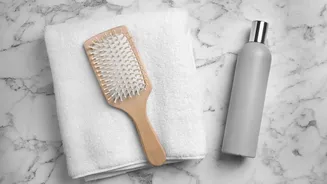
How you handle your hair when it's at its most vulnerable—soaking wet—is critical. Aggressively rubbing your hair with a standard cotton towel is one of the fastest ways to rough up the cuticle and invite frizz. Instead, gently squeeze or blot the excess water out using a soft microfiber towel or even an old cotton t-shirt. This method absorbs water without creating friction. Once your hair is no longer dripping, use a wide-tooth comb to detangle, starting from the ends and working your way up to the roots to prevent breakage.
Build a Barrier with the Right Products
Applying products to damp hair is key to creating a protective barrier that locks out humidity. A good leave-in conditioner is non-negotiable; it provides an extra layer of moisture and helps to seal the cuticle. Follow this with an anti-frizz serum or a lightweight oil. Look for ingredients like silicones (such as dimethicone), which create a seal against moisture. While some humectants like glycerin can be good for hydration, they can sometimes draw too much moisture from the air in very high humidity, so use them in moderation. Applying these products when your hair is still wet ensures they are distributed evenly and can perform their function of sealing the hair shaft before it starts to swell.
Drying Techniques for Humid Weather
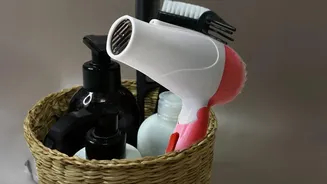
The goal is to get your hair fully dry before you step outside into the humid air. If you have the time, air-drying is often the best option to minimise damage. To enhance natural texture while air-drying, you can try plopping curly hair in a t-shirt or gently combing straight hair into place and then avoiding touching it. If you must use a blow-dryer, always apply a heat protectant first. Use your dryer on a medium heat setting and attach the nozzle, directing the airflow downwards. This helps to keep the hair cuticles lying flat and smooth. For curly and wavy types, a diffuser attachment can help dry your hair while keeping its natural pattern intact.
Style Smart and Stay Prepared
In very humid conditions, sometimes the best approach is to work with your hair, not against it. Protective styles like braids, buns, and ponytails can keep your hair contained and looking polished while minimising its exposure to the moist air. These styles are not only practical but can also help prevent tangles and friction. For those who prefer to wear their hair down, a texturising spray can enhance natural waves and create a relaxed look that embraces the weather. It's also wise to avoid heavy creams or gels that can weigh hair down, especially if you have fine hair that tends to go limp in humidity.