


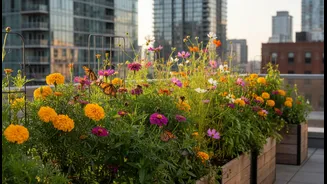


Why Our Cities Need Pollinators
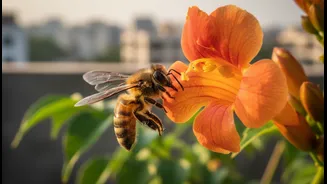
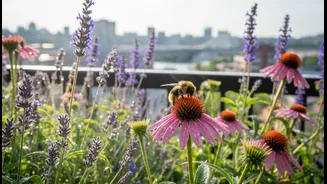
Pollinators like bees, butterflies, moths, and even some birds are essential workers in our ecosystem. They are responsible for the reproduction of a vast majority of the world's flowering plants, including many of the fruits and vegetables we eat. However,
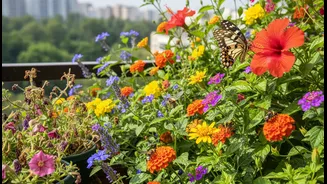
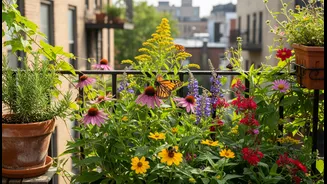
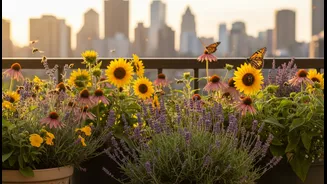
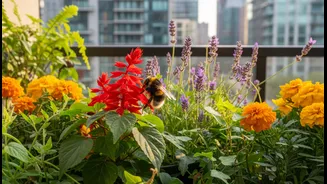
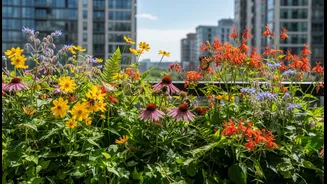
rapid urbanisation, habitat loss, and the use of chemical pesticides have led to a sharp decline in their populations. This ‘pollination crisis’ threatens not only agricultural output but also the overall biodiversity that keeps our environment healthy. Urban pollinator gardens act as crucial lifelines. They create a network of mini-habitats, or 'stepping stones', that allow these vital creatures to navigate the concrete jungle, find food, and shelter. Even a few flowering plants on a fourth-floor balcony can become a critical refueling station for a weary butterfly or bee.
The Benefits of a Balcony Garden
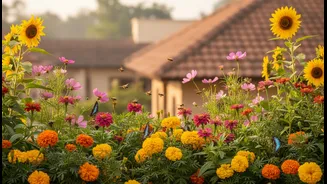
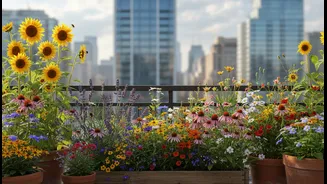
Creating a pollinator-friendly space offers rewards that go far beyond helping the local ecosystem. For the urban gardener, it provides a powerful connection to nature, reducing stress and enhancing mental well-being. Tending to plants and watching them attract life can be a deeply rewarding daily ritual. These green corners do more than just look pretty; they contribute to local biodiversity and can even help cool down the surrounding area, mitigating the 'urban heat island' effect. Furthermore, they are fantastic educational tools for families, teaching children about the importance of nature and the delicate web of life that sustains us. By transforming a small space into a bustling hub of activity, you are actively participating in the restoration of nature, one bloom at a time.
Getting Your Green Space Started
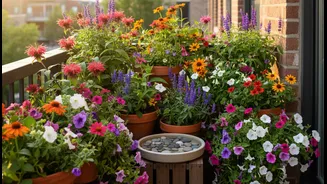
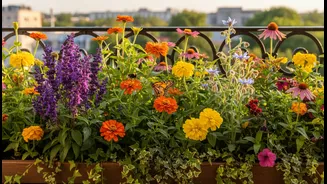
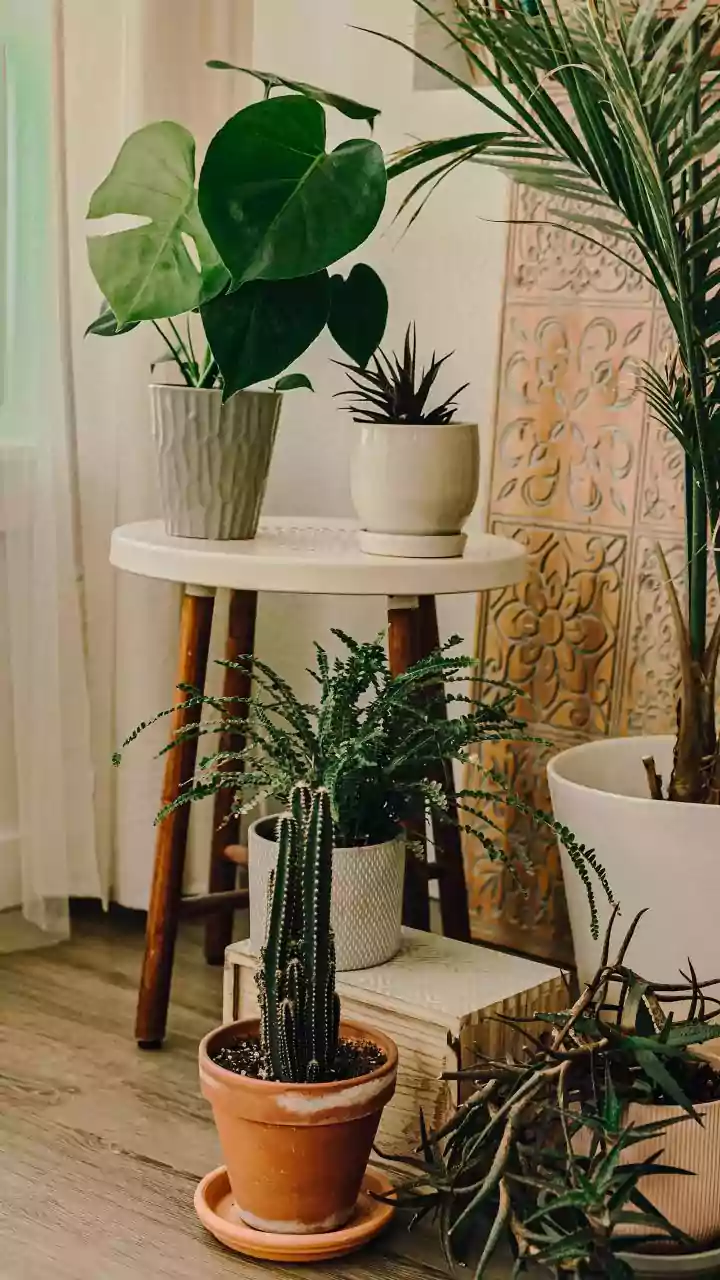
You don't need a sprawling lawn to make a difference. A sunny windowsill, a small balcony, or even a vertical wall planter can be converted into a pollinator paradise. Start by choosing a spot that gets at least a few hours of sunlight. Select a variety of pots, hanging baskets, or railing planters to make the most of your space. Use a good quality potting mix, and consider adding organic compost from kitchen waste to enrich the soil. The most important rule is to strictly avoid chemical pesticides and herbicides, which are harmful to pollinators. Instead, opt for natural pest control methods like using neem oil sprays or planting pest-repelling companion plants.
Best Pollinator Plants for Indian Homes
Choosing the right plants is key to attracting visitors. While many flowers are beautiful, focusing on native and nectar-rich varieties will deliver the best results. Here are some easy-to-grow options perfect for Indian climates: Marigold (Genda): These bright, cheerful flowers are hardy and a favourite of bees and butterflies. They bloom for long periods and are very tolerant of Indian weather conditions. Tulsi (Holy Basil): A staple in many Indian homes, Tulsi is not just a sacred herb but also a pollinator magnet when it flowers, attracting scores of bees. Hibiscus: With its large, open flowers, hibiscus provides plenty of nectar for bees and other pollinators. Butterfly Pea (Aparajita): This beautiful climber is loved by butterflies and grows well in pots, providing lovely natural coverage for railings and grills. Lavender: The fragrant purple spikes of lavender are irresistible to bees. It loves sunny spots and well-draining soil, making it ideal for balconies. Cosmos: These simple, daisy-like flowers are easy to grow from seed and provide a long-lasting food source for various pollinators.
Creating a Complete Haven
Beyond plants, a few simple additions can make your garden even more welcoming. Provide a source of water by placing a shallow dish filled with pebbles and fresh water. The pebbles give insects a safe place to land and drink without drowning. You can also create shelter. A 'bee hotel' made from bamboo tubes offers nesting sites for solitary bees, while leaving some dense foliage provides protection from wind and predators. To ensure a year-round food supply, try to plant a mix of flowers that bloom in different seasons. This ensures your buzzing visitors have a reliable source of nectar from spring through autumn.