


Start with a Visual Check
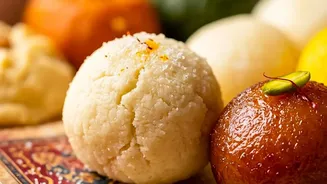
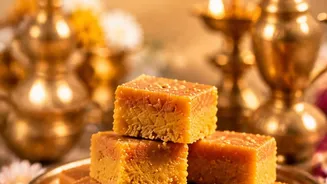
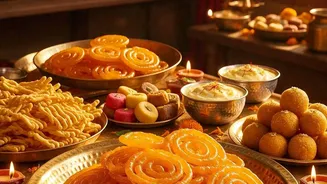
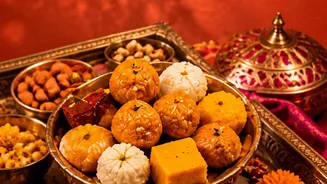
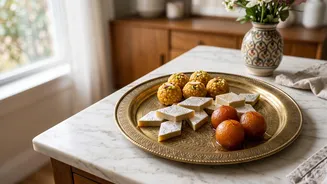
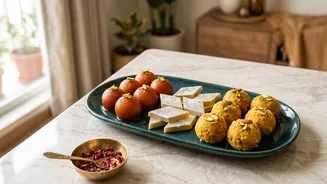
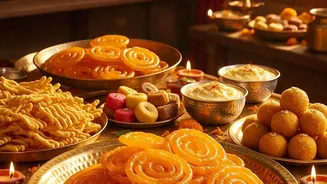
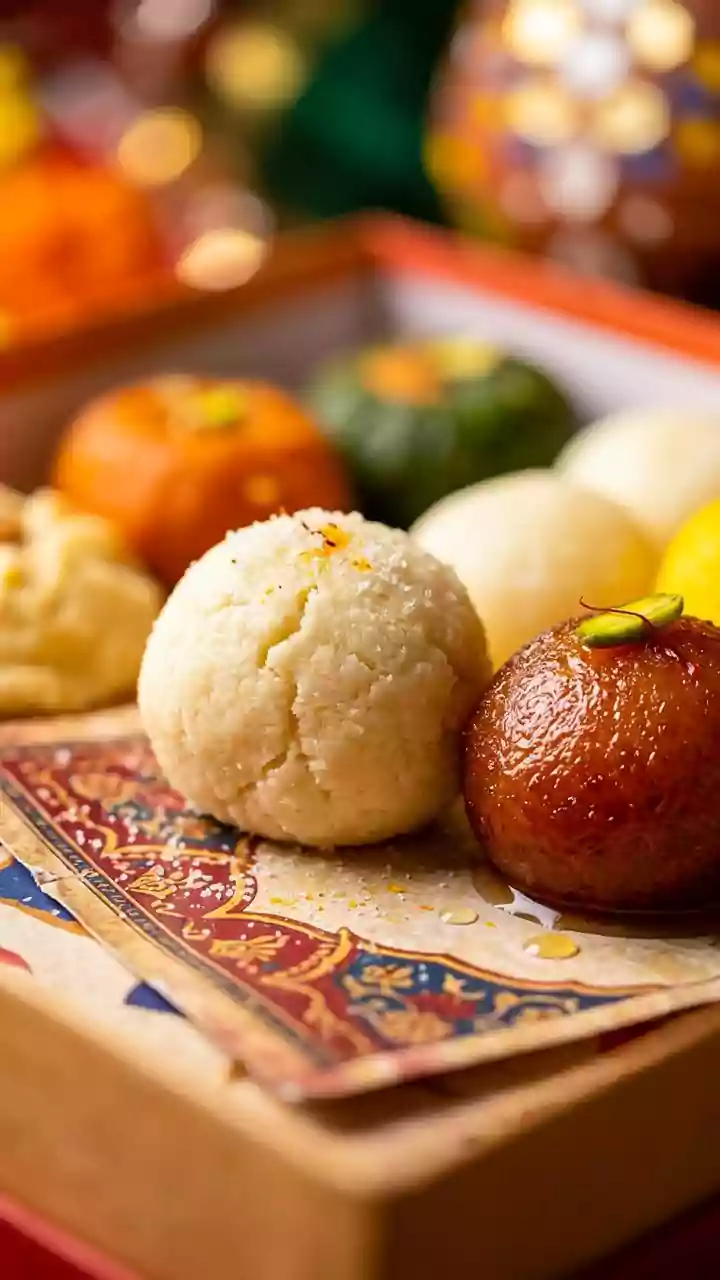
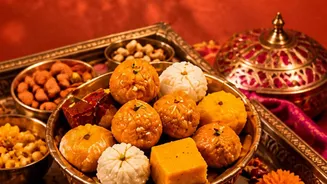
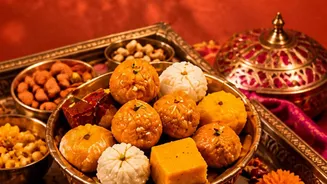
Your eyes are your first line of defence. Freshly made mithai should have a vibrant, natural colour. Be wary of sweets that are unnaturally bright, as they may contain non-permitted, industrial dyes. Good quality barfi or peda should have a uniform, slightly
off-white or cream colour. Look at the texture; sweets should not appear too dry, cracked, or greasy. If you are buying pre-packaged sweets, always check the packaging for any signs of damage and ensure the expiry date is clearly mentioned and well within its limit.
Trust Your Sense of Smell
Fresh mithai, especially those made with milk and ghee, will have a pleasant, rich, and appetizing aroma. Khoya-based sweets should smell of freshly cooked milk. If you detect any sour, stale, or rancid odour, it's a clear red flag. This indicates that the ingredients, particularly the milk solids (khoya) or ghee, may have gone bad. During the festive rush, some vendors might try to sell older stock, so a quick sniff before you buy can save you from a bad batch. Don't hesitate to politely decline a purchase if it smells off.
Pay Attention to Khoya and Mawa
Khoya, or mawa, is the foundation of many beloved Indian sweets like barfi, peda, and gulab jamun. Unfortunately, it's also one of the most commonly adulterated ingredients, often mixed with starch or flour to increase volume. Fresh, pure khoya should have a slightly grainy texture and taste a little sweet. When you rub a small piece on your palm, it should feel a bit oily and leave a trail of grease. Imitation mawa often has a pasty consistency and may have a synthetic or overly sweet flavour. Sweets made with milk products also have a shorter shelf life, sometimes as little as one to four days, so freshness is critical.
Examine the Silver Varak (Foil)
The delicate silver leaf, or varak, on sweets like Kaju Katli adds a touch of festive luxury. However, it is sometimes replaced with cheaper and harmful aluminium foil. Real, edible silver varak is extremely thin and will disintegrate into a fine powder when you rub it between your fingers. Fake aluminium foil, on the other hand, tends to feel thicker and may roll into a small ball instead of disappearing. Genuine silver has a soft, natural sheen, whereas aluminium often looks unnaturally bright and glossy. Given the potential health risks of consuming aluminium, it's worth paying close attention to this detail.
Ask for a Taste Test
The ultimate test is, of course, the taste. Many reputable sweet shops will happily offer a small sample, especially if you are a regular customer or making a large purchase. A fresh sweet will melt in your mouth and have a clean, distinct flavour based on its ingredients, be it the nuttiness of besan or the richness of cashews. If the mithai tastes sour, unusually bland, or has a strange, powdery aftertaste, it’s a sign that it is either stale or made with adulterated ingredients. This is the most direct way to assess the quality before you commit to buying.
Look for the FSSAI License
A crucial step is to check if the sweet shop has a valid FSSAI (Food Safety and Standards Authority of India) license, which should be prominently displayed. This certification indicates that the vendor is required to follow specific hygiene and quality standards. Furthermore, FSSAI has mandated that for loose sweets, the 'Date of Manufacturing' and 'Best Before Date' must be displayed on the container or tray. This rule was put in place to prevent the sale of stale sweets and empower consumers to make informed choices. Always look for these dates before purchasing.
Assess the Shop's Cleanliness
Finally, take a moment to observe the general hygiene of the sweet shop. Are the display counters clean? Are the trays holding the sweets well-maintained? Are the employees handling the food with gloves or tongs? A clean and well-managed shop is often a good indicator of the care they put into their products. Sweets should be properly covered to protect them from flies and dust. A vendor who takes pride in the cleanliness of their establishment is more likely to be scrupulous about the quality of their ingredients and preparation methods as well.