



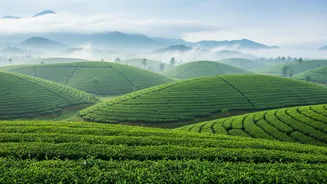
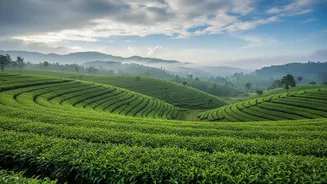
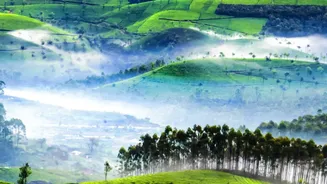
The Emerald Carpet of Tea Gardens
Nowhere is the monsoon's touch more visible than in Assam's sprawling tea estates. The rains, which fall between June and September, trigger a vigorous growth period for the tea bushes. While the prized 'second flush' harvest happens just before the rains, the monsoon brings
a different kind of beauty. The plantations around Jorhat and Dibrugarh become an endless carpet of emerald green, glistening under the soft, grey skies. The air is heavy with the fresh aroma of tea leaves and damp soil, creating an atmosphere of profound tranquility. Visiting a tea estate during this time offers a sensory experience, a chance to witness the landscape at its most lush and alive, even if it's not the peak season for tea tasting.
National Parks: A Rejuvenating Pause
It is crucial for visitors to know that major national parks like Kaziranga and Manas are typically closed to tourists during the monsoon, from around May/June to October. This is not a drawback but a vital ecological necessity. The Brahmaputra River and its tributaries swell, flooding the low-lying grasslands. This annual flood, while posing challenges, is what rejuvenates the park's ecosystem, replenishing wetlands and grasslands for the year ahead. While jeep safaris are suspended, the periphery of these parks and other sanctuaries like Pobitora, which may remain partially accessible, showcase an incredible vibrancy. The landscape is intensely green, and the entire ecosystem takes a collective, restorative breath, preparing for the seasons ahead.
The Majestic Brahmaputra and Majuli Island
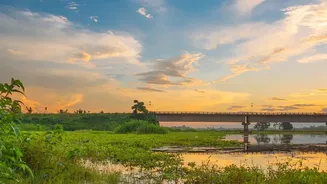
The Brahmaputra, the state's lifeline, is a sight to behold during the monsoon. Fed by the relentless rains, the river swells to its most majestic and powerful form. A cruise on the river near Guwahati offers a humbling perspective of its scale. In the midst of this powerful river lies Majuli, the world's largest river island and a hub of Assamese neo-Vaishnavite culture. While the monsoon can make travel to the island challenging with ferry schedules subject to change, it also cloaks the island in a stunning green. The rice paddies are full, the air is clean, and the satras (monasteries) exude a serene, rain-washed calm, offering a unique spiritual experience for the prepared traveller.
Haflong and the Misty Hills
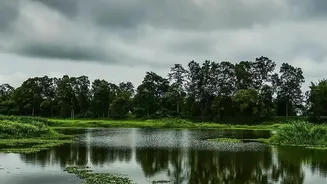
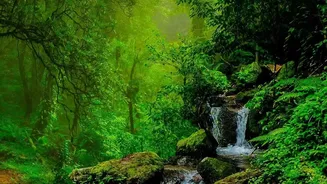
For those seeking the charm of a hill station, Haflong, Assam's only one, is at its best during the monsoon. The hills are draped in mist, clouds hang low over the valleys, and the rains feed numerous waterfalls that cascade down rocky slopes. Haflong Lake becomes a picture of serenity, reflecting the moody, overcast sky. The drive through the North Cachar Hills during this season is a journey through clouds and verdant landscapes. It’s a quieter, more contemplative experience, perfect for those who find beauty in misty mornings and the sound of rain in the mountains.
A Season of Culture and Spirituality
The monsoon in Assam is not just a weather phenomenon; it's deeply intertwined with its cultural life. In June, Guwahati's famous Kamakhya Temple hosts the Ambubachi Mela, a significant festival celebrating fertility that attracts thousands of devotees despite the rains. The downpour adds a mystical layer to the spiritual proceedings. Beyond large festivals, the season offers simple pleasures: sipping hot chai and enjoying roasted corn from a roadside stall while watching the rain, or taking a quiet walk along a riverfront as boats drift through the fog. It is a time when the rhythm of life slows down, allowing for a deeper connection with nature and culture.