





When the sun is high and you’re on the move, reaching for water is second nature. But what if the secret to superior hydration is on your plate? Eating your water through summer produce can be a game-changer for maintaining fluid balance.
More Than Just Water
Staying hydrated
is about more than just replacing lost fluids; it’s about maintaining the body's delicate fluid balance. This balance relies on electrolytes—essential minerals like potassium, sodium, and magnesium that are lost through sweat. These minerals are crucial for nerve function, muscle contractions, and ensuring water gets to where it’s needed most in your cells. While water is vital, it doesn't contain these electrolytes. Many summer fruits and vegetables, however, are packed with both water and these essential minerals, making them a powerful tool for effective hydration. In fact, up to 20% of your daily fluid intake can come directly from the foods you eat.
Watermelon: The Ultimate Summer Hydrator
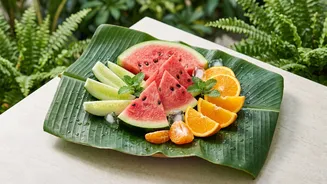
It’s no surprise that a fruit named watermelon is a hydration hero. Comprising about 92% water, it’s a delicious way to replenish fluids. But its benefits don't stop there. Watermelon is also a good source of potassium, an electrolyte that plays a key role in fluid balance and muscle function. This combination of high water content and essential electrolytes makes it an ideal post-activity snack to help your body recover and rehydrate effectively. Additionally, watermelon contains lycopene, an antioxidant that helps protect your cells from damage.
Cucumbers: Cool, Crisp, and Full of Water
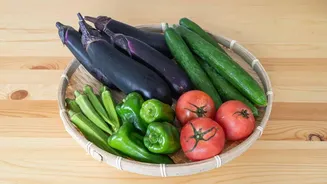
With a water content of around 95-96%, cucumbers are one of the most hydrating foods you can find. Their high water content and refreshing crunch make them a perfect addition to salads, sandwiches, or simply sliced and enjoyed on their own. While low in calories, cucumbers provide small amounts of nutrients that support overall health. For active individuals, incorporating cucumbers into meals or infusing them in water is an easy strategy to increase fluid intake without feeling overly full, helping you stay light and hydrated during any activity.
Citrus and Berries: Flavorful Fluid Boosters
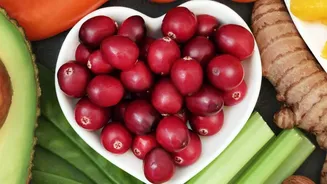
Oranges, grapefruits, and strawberries are not only bursting with flavour but also with water and nutrients. Oranges contain about 88% water, while strawberries are around 91% water. Both are excellent sources of Vitamin C, but they also provide potassium, which is vital for balancing fluids. The natural sugars in these fruits also provide a quick source of energy, which can be beneficial after a workout. Adding sliced citrus to your water bottle or grabbing a handful of berries is a simple and tasty way to contribute to your daily hydration goals.
Leafy Greens and Celery: The Unsung Heroes
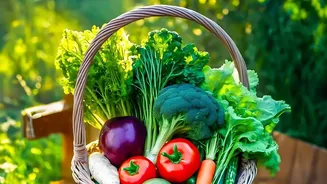
Don’t overlook the hydrating power of vegetables. Celery is about 95% water and delivers a satisfying crunch along with electrolytes. Leafy greens like spinach and even iceberg lettuce have surprisingly high water content, ranging from 91% to 96%. These vegetables are also rich in minerals like magnesium and potassium, which are essential for preventing muscle cramps and supporting nerve function. Building your salads on a base of these greens or snacking on celery sticks is a simple way to boost your fluid and mineral intake simultaneously.
Incorporating Hydrating Produce Into Your Diet
Making hydrating foods a regular part of your active lifestyle is simple. Start your day with a smoothie blended with spinach, berries, and a splash of coconut water for an extra electrolyte kick. For lunch, opt for a large salad filled with leafy greens, cucumber, and tomatoes. Snack on orange slices, watermelon cubes, or celery with hummus. You can even make your own healthy popsicles by blending fruit and freezing the puree. By thinking of food as a source of fluid, you can more easily and deliciously meet your body's needs, especially during the demanding summer months.