




Why Oil is a Game-Changer
Freezing herbs is nothing new, but using oil instead of water is a culinary masterstroke. When you freeze herbs in water, ice crystals form that can damage the delicate cell walls, leading to a mushy texture and faded flavour upon thawing. Oil, however,
acts as a protective barrier. It coats the herbs, preventing oxidation (which causes browning) and shielding them from the harsh, dry air of the freezer that leads to freezer burn. The fat in the oil also helps capture and preserve the herb’s essential oils, which are the source of its aroma and taste. The result? Vibrant, flavour-packed portions ready to elevate your cooking all year long.
The Best Herbs for the Job
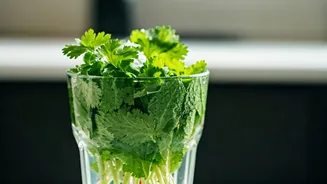
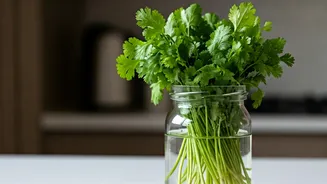
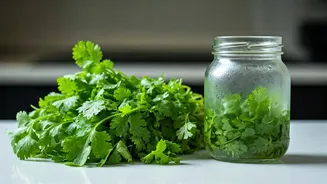
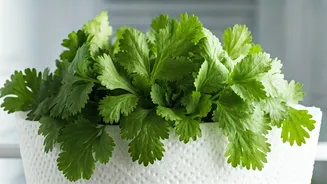
While this method works for most herbs, some hold up better than others. - **Hearty, woody herbs** are perfect candidates. Think rosemary, thyme, sage, and oregano. Their sturdy structure and potent flavours are beautifully preserved in oil. - **Softer, delicate herbs** like basil, mint, parsley, coriander, and dill also work well, but they benefit from being finely chopped or even puréed first. For basil, which is prone to turning black, you can briefly blanch the leaves in boiling water for a few seconds and then plunge them into an ice bath before chopping and freezing. This helps lock in that bright green colour.
Choosing the Right Oil
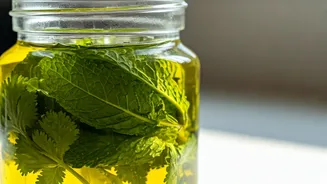
The oil you choose depends on how you plan to use the herbs. - **Extra virgin olive oil** is a fantastic choice for herbs you'll use in Mediterranean, Italian, or French cooking. It pairs beautifully with rosemary, thyme, and sage, creating a ready-made flavour base for pasta sauces, roasts, and stews. - **Neutral oils**, like grapeseed, avocado, or a light olive oil, are more versatile. Since they have a milder taste, they let the herb’s flavour shine through. These are great for when you want the pure taste of coriander or parsley without any competing notes from the oil. You can also use melted, unsalted butter or ghee for a richer, more decadent result.
A Simple Step-by-Step Method
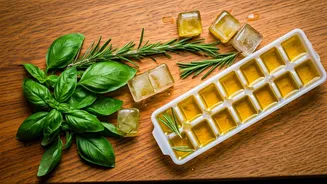
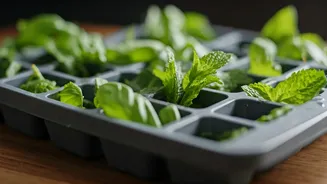
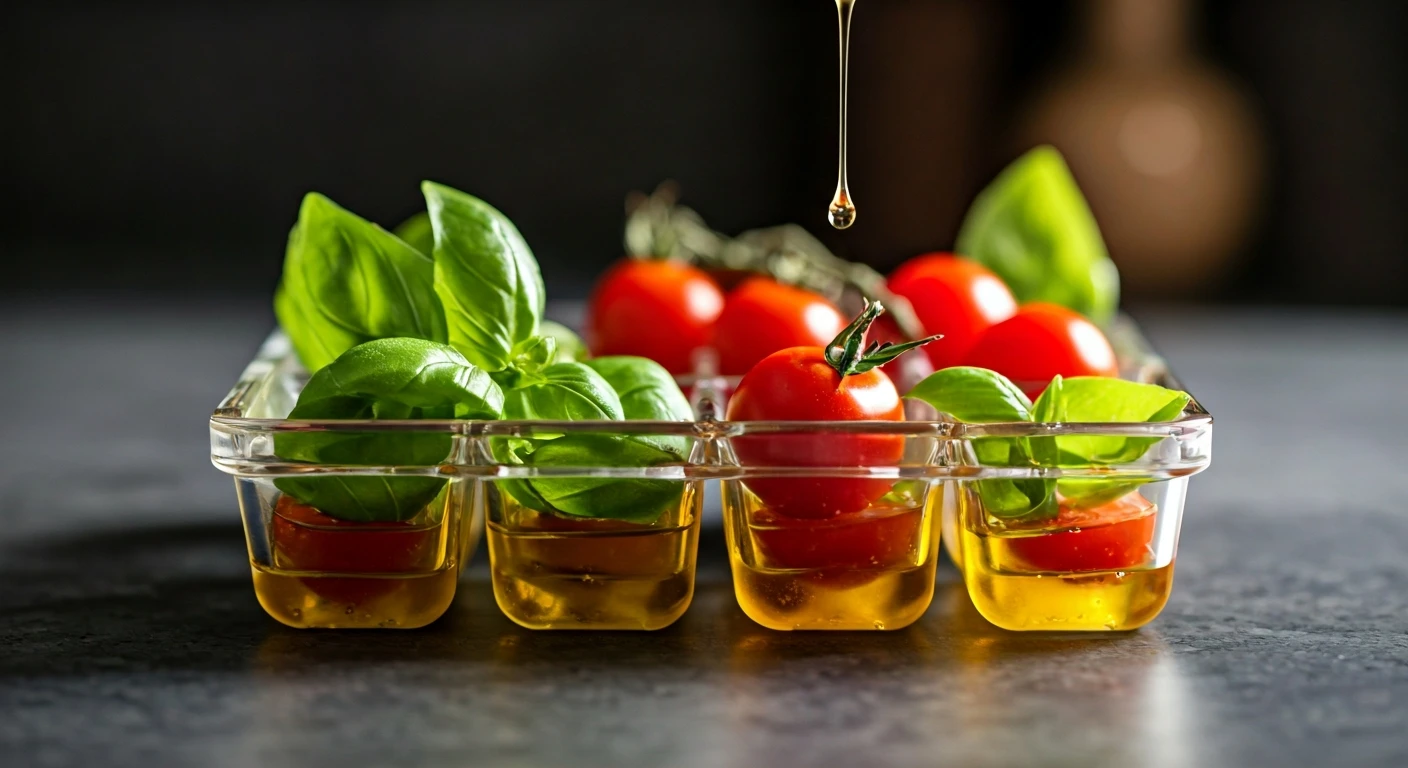
Ready to become a food-prep hero? All you need are fresh herbs, your oil of choice, and an ice cube tray (silicone trays are especially easy to use). 1. **Wash and Dry:** Thoroughly wash your herbs and pat them completely dry. Excess water can lead to ice crystals. 2. **Chop:** Finely chop the herbs. For woody herbs like rosemary, you can simply strip the leaves from the stem. 3. **Fill the Tray:** Pack the compartments of your ice cube tray about two-thirds full with the chopped herbs. You can create single-herb cubes or make your own custom blends, like a "poultry mix" of sage, thyme, and rosemary. 4. **Add the Oil:** Slowly pour the oil over the herbs until they are completely submerged. 5. **Freeze:** Carefully place the tray in the freezer and let it freeze solid, which usually takes a few hours. 6. **Store:** Once frozen, pop the cubes out of the tray and transfer them to a labelled freezer bag or airtight container. They will keep their best flavour for at least six months.
How to Use Your Flavour Bombs
The convenience of these little green gems is their biggest selling point. No chopping, no mess—just pure flavour on demand. - **Start a Sauté:** Drop a cube into a hot pan as a flavour base for sautéing vegetables, onions, or garlic. - **Boost Soups and Stews:** Stir a cube or two into soups, stews, or curries during the last few minutes of cooking for a burst of fresh herb flavour. - **Effortless Roasting:** Melt a cube and toss it with potatoes and other vegetables before roasting. You can also rub the melted herb oil over chicken, fish, or meat before it goes into the oven. - **Finish a Sauce:** Whisk a cube into a pan sauce or a simple tomato sauce to add depth and complexity right at the end.