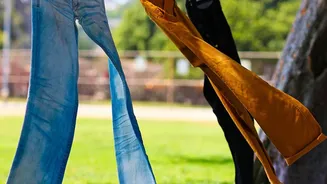








As warmer days arrive, the task of packing away heavy coats and woolly jumpers begins. It's a seasonal chore, but one simple step can protect your favourite winter garments and make next year's unpacking a much happier occasion.
The Crucial First Step: Clean Everything
Before you even think about
drying and storing, every single item must be clean. This is the most common and damaging mistake people make. Even if a sweater looks clean after being worn just once, it carries invisible body oils, skin cells, and residues from perfumes or lotions. Over several months in storage, these residues can oxidise into permanent stains and, more importantly, become a food source for pests like clothes moths. Dirt and food stains are also an open invitation for insects. Make sure to wash or dry-clean every item according to its care label. Take the time now to also make any small repairs, like sewing on a loose button or fixing a hem, before you pack things away.
Why 100% Dry Is Non-Negotiable
The headline says it all, and it's the most critical part of the process: your clothes must be completely, bone-dry before being stored. Even a tiny amount of lingering dampness trapped in a sealed container is an ideal breeding ground for mould and mildew, which can attack fabric fibres and leave garments with a musty, unpleasant odour that is difficult to remove. This moisture can come from not drying clothes long enough or from folding and packing them while they are still warm from the dryer. Always let items cool completely to room temperature before putting them away. Be extra thorough with thick items like heavy knits, down jackets, and multi-layered garments, paying special attention to seams and folds where moisture can hide.
Mastering the Art of Air-Drying
While a machine dryer is fast, air-drying is gentler on fabrics and extends their lifespan. For winter clothes, it’s about doing it correctly. Hang items with plenty of space between them to allow for good air circulation. While sunlight has natural antibacterial properties, it can also cause colours to fade, so it's best to dry clothes in a shaded outdoor spot or a well-ventilated indoor area. To avoid stretching, heavy knitwear like wool and cashmere sweaters should be laid flat to dry on a mesh rack or a clean towel, rather than being hung. For really bulky items, you can speed up the process by rolling them tightly in a dry towel and pressing firmly to extract excess water before laying them out.
Choosing the Right Storage Location and Containers
Where you store your clothes is as important as how you prepare them. The ideal location is cool, dark, dry, and has a stable temperature. Avoid attics, garages, and damp basements, as they are prone to extreme temperature fluctuations and humidity that can damage textiles. When it comes to containers, breathability is key for natural fibres like wool, cashmere, and silk. Cotton or canvas garment bags and storage bins are excellent choices. While airtight plastic bins offer great protection from pests and water, they also trap any residual moisture, so only use them if you are absolutely certain every item is perfectly dry. Never use the plastic bags from the dry cleaner for long-term storage, as they can trap moisture and emit chemicals that may yellow fabrics.
Protecting Against Pests Naturally
Clothes moths are a major threat to stored natural fibres like wool and cashmere. While traditional mothballs are effective, their scent is overpowering and hard to remove. A better, more pleasant alternative is using natural repellents. Cedar blocks or chips are a classic choice; the scent deters adult moths from settling in. Remember to sand the blocks lightly every few months to refresh their aroma. Sachets filled with dried lavender, rosemary, thyme, or cloves are also effective and will leave your clothes with a lovely, subtle fragrance. Place these repellents in your storage containers, but be aware that they primarily deter moths, they don't eliminate an existing infestation. The best defence is storing clean clothes in a sealed, protected environment.