
Goodbye to the Showroom, Hello to Your Story
Walk into many modern Indian homes today, and you’ll notice a shift. The rigid rule that everything must match has been replaced by a desire for spaces that feel curated over time, not purchased in a single shopping trip. This trend, often called 'eclectic'
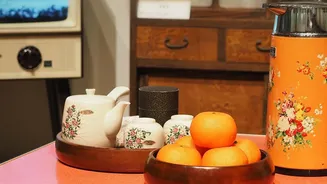
or 'layered' design, is about creating a home that reflects your unique personality, travels, and history. It’s the freedom to pair a sleek, contemporary sofa with your grandmother’s antique wooden chest or hang modern art above a traditionally carved console. The goal isn’t perfection; it’s personality. The result is a home that doesn't look like a catalogue, but rather a space filled with stories and meaning.
What Exactly Is a 'Layered' Look?
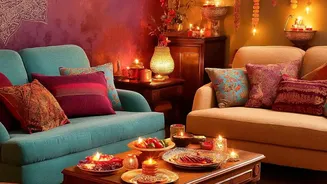
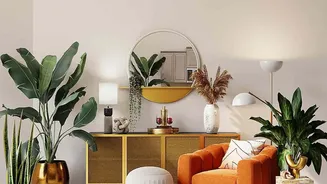
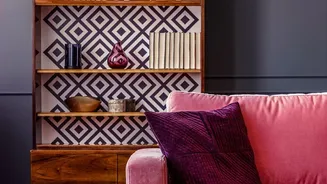
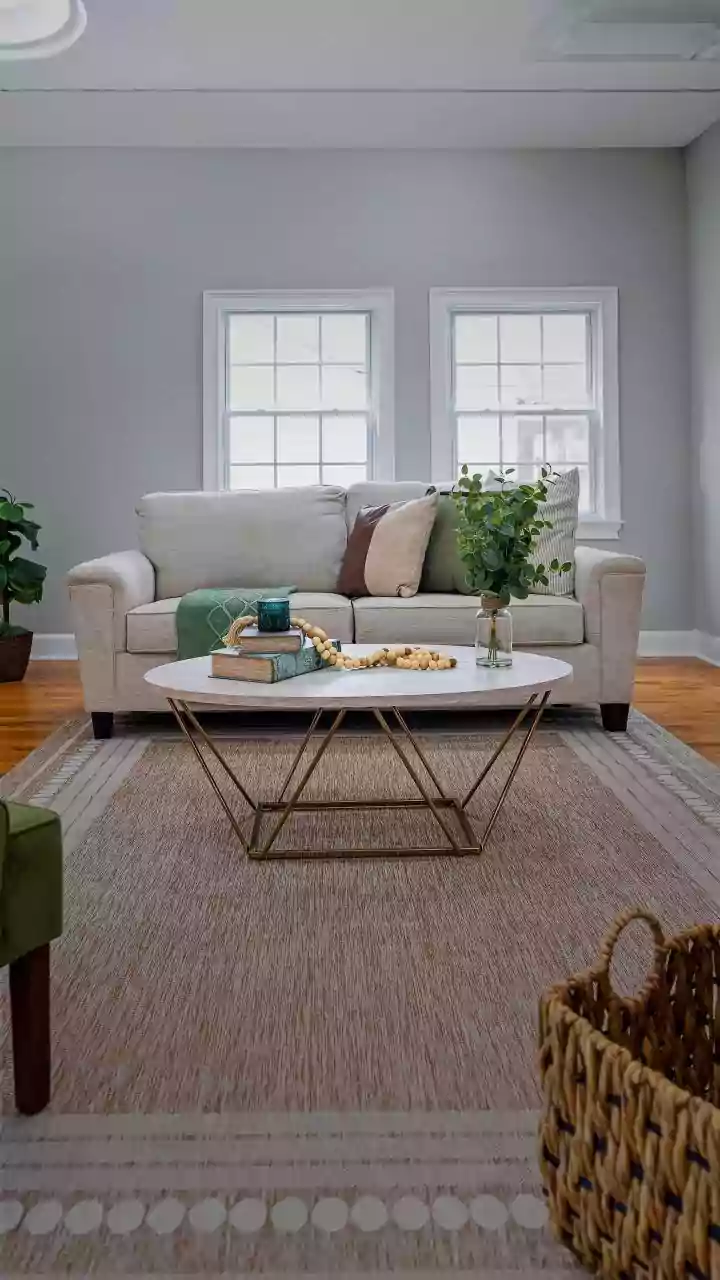
A layered look is much more than just a random mix of items. It’s a carefully considered approach that blends different styles, textures, and time periods to create a cohesive and harmonious space. Think of it as visual storytelling. The 'layers' come from the interplay of various elements: the texture of a handwoven rug against a smooth marble floor, the sleek lines of a metal lamp beside a rustic wooden chair, or the vibrant colours of block-printed cushions on a neutral-toned sofa. This approach allows for a more dynamic and interesting interior, moving away from a flat, one-dimensional feel. It's about creating depth and character, making a room feel warm, inviting, and uniquely yours.
Find Harmony Through a Unifying Colour Palette
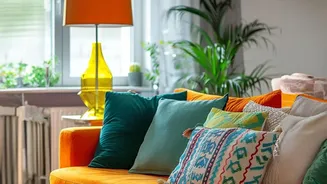
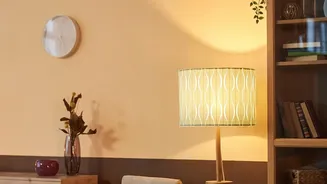
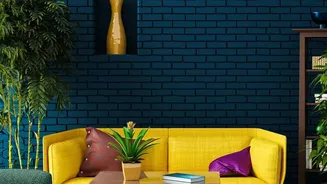
The secret to preventing your mixed-style home from looking chaotic is to establish a unifying thread, and colour is one of the most effective tools. Start by choosing a foundational colour palette of three to five colours. Many designers suggest beginning with a neutral base—shades like beige, ivory, or grey—for walls and larger furniture pieces. This creates a calm backdrop. Then, you can introduce your bolder, more traditional Indian colours like emerald green, royal blue, or mustard yellow as accents. These pops of colour can appear in textiles, artwork, or decorative objects, sprinkled throughout the room to create a sense of rhythm and intention. This consistent colour scheme helps tie all the different elements together, ensuring the space feels balanced and purposeful.
Master the Mix of Materials and Textures
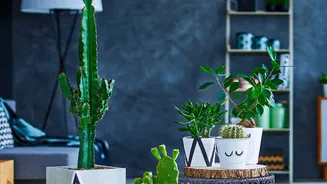
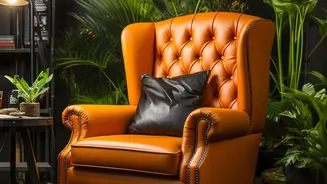
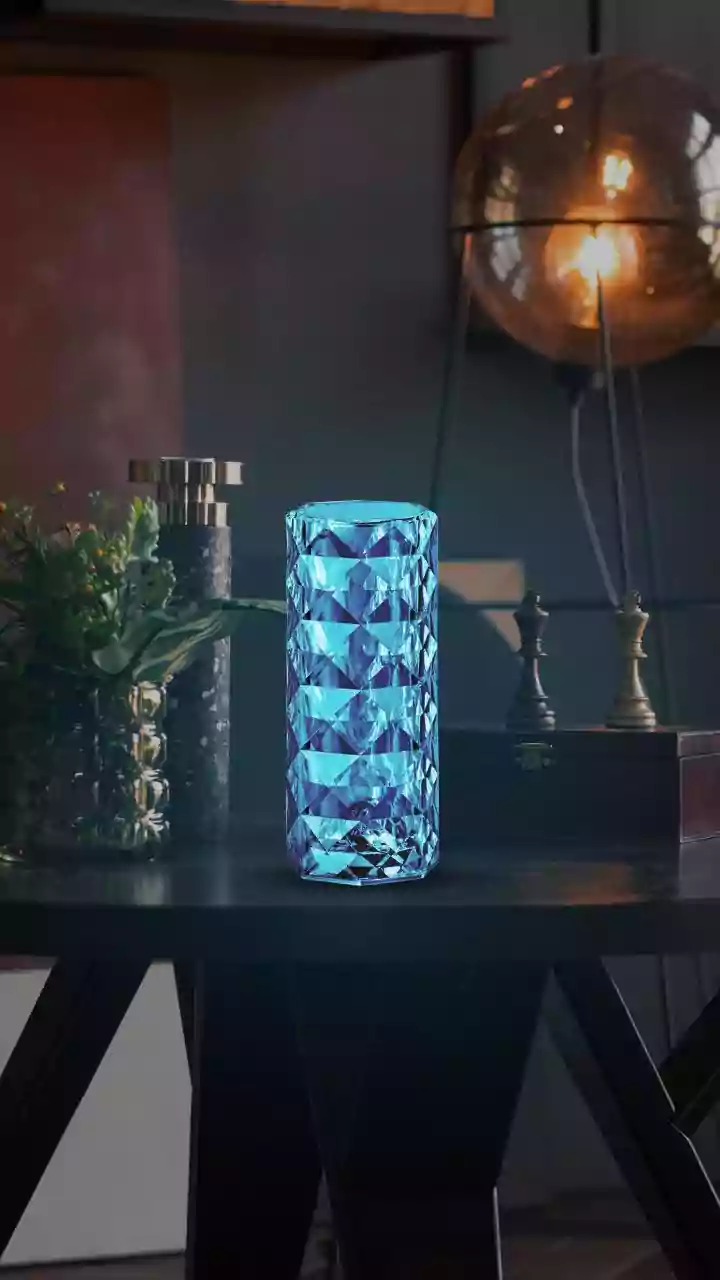
Another key to a successful layered interior is a rich interplay of textures. Combining different materials adds a tactile dimension that is both visually and physically appealing. Don’t be afraid to mix hard and soft, rough and smooth. Pair warm, natural materials like wood, cane, and bamboo with the sleek coolness of metal or glass. Introduce a variety of fabrics through cushions, throws, and rugs—think silk, cotton, khadi, velvet, and linen. This blend of materials prevents a room from feeling flat. For instance, an industrial metal pendant lamp hanging over a vintage wooden dining table creates a fantastic contrast between raw and refined. Each texture adds another 'layer' of interest, making the space feel richer and more complex.
Weave Together Different Eras with Confidence
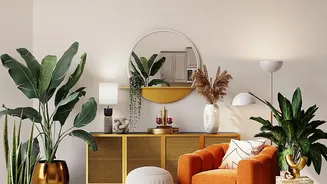
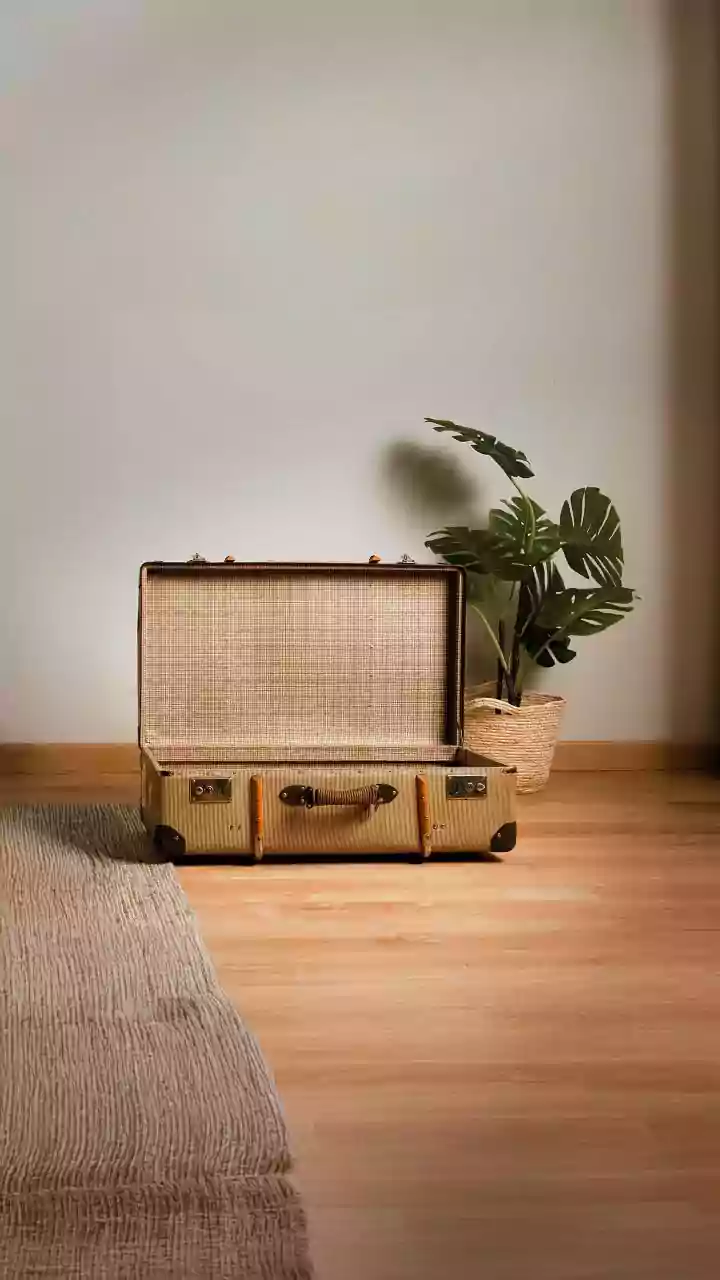
Blending old and new is at the heart of this trend. It’s what gives a home a sense of history and permanence. This could mean placing a modern, minimalist armchair next to an intricately carved Indian jharokha mirror or using a traditional wooden trunk as a coffee table in an otherwise contemporary living room. A good rule of thumb is the 80/20 principle: let one style—either modern or traditional—dominate about 80% of the space, and use the other style for the remaining 20% as accent pieces. This creates a clear design direction while still allowing for interesting contrasts. Incorporating family heirlooms or vintage finds from your travels is a perfect way to add personal history and a soulful touch to your modern home.