




The Backlash to 'More is More'
For years, the beauty world was dominated by a maximalist philosophy. Influenced by complex 12-step plans, many of us were convinced that achieving glowing skin required an arsenal of products. We layered potent acids, exfoliated aggressively, and chased
the promise of 'glass skin' with an ever-growing collection of bottles. The result, however, wasn't always a flawless complexion. Instead, many experienced increased sensitivity, redness, irritation, and a compromised skin barrier. Over-exfoliation became a widespread concern, stripping the skin of its natural protective oils and leaving it vulnerable. This collective skin burnout created the perfect environment for a major shift in thinking.
The Rise of 'Skinimalism'
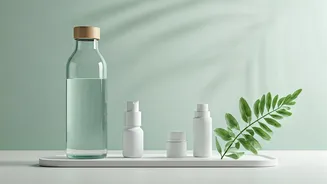
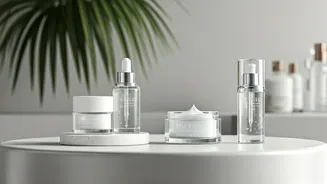
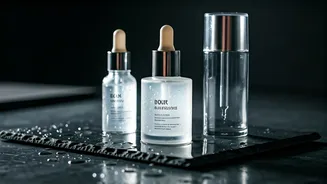
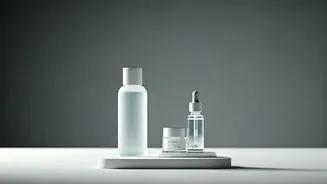
Enter 'skinimalism,' a trend that champions a minimalist approach to skincare. The idea isn't to do less, but to do what’s right for your skin with fewer, more effective products. This movement, which has gained significant traction, rejects the notion that you need to fix or cover your skin, instead focusing on supporting its natural functions. Market data shows a significant shift in consumer behaviour, with one report noting that 75% of consumers now buy three or fewer skincare products. This 'less is more' approach prioritises quality over quantity, favouring simple routines of a cleanser, a targeted serum, and a moisturiser with SPF. It's a philosophy that values consistency and long-term health over quick, aggressive fixes.
Understanding the Skin Barrier
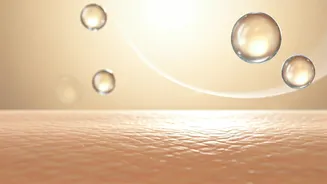
At the heart of the gentle skincare comeback is a newfound appreciation for the skin barrier. Also known as the stratum corneum, this outermost layer of skin is our first line of defence against environmental aggressors like pollution and UV rays. It's a lipid layer made of ceramides, fatty acids, and cholesterol that works to lock in moisture and keep irritants out. When we over-exfoliate or use harsh products, we damage this vital barrier. A compromised barrier can't retain moisture effectively, leading to dehydration, and it becomes more susceptible to inflammation, breakouts, and sensitivity. The gentle skincare movement focuses on protecting and repairing this barrier, understanding that healthy skin is, first and foremost, skin with a functioning defence system.
What Gentle Skincare Looks Like
Adopting a gentle routine means swapping harsh scrubs and high-concentration acids for nourishing, supportive ingredients. Look for products featuring ceramides, which are essential for restoring the skin barrier, and niacinamide, a form of vitamin B3 that can reduce redness and regulate oil. Hydrating ingredients like hyaluronic acid and glycerin are also key, as they draw moisture into the skin. Soothing botanicals such as aloe vera, chamomile, oat extract, and centella asiatica (or 'cica') are celebrated for their calming properties. A gentle routine typically involves a mild, pH-balanced cleanser that doesn't strip the skin, a hydrating serum, and a protective moisturiser. The goal is to cleanse, hydrate, and protect without causing stress or irritation.