



A Return to Authenticity
For years, modern Indian homes looked outwards for inspiration, embracing a global aesthetic that was sleek, functional, but often anonymous. Today, the pendulum is swinging back. Homeowners are increasingly rejecting the uniformity of factory-made goods
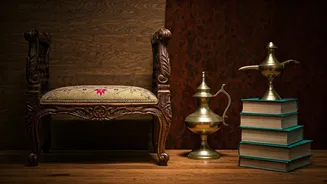
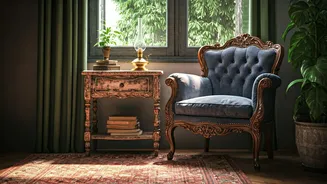
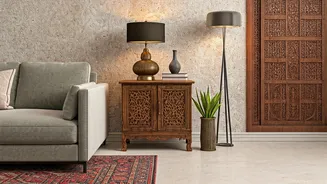
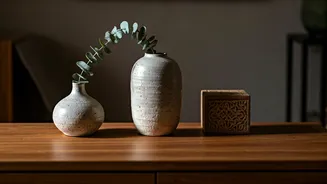
in favour of pieces that tell a story. This return to roots is about more than just aesthetics; it’s a desire for connection and identity. The trend, sometimes called 'Granny Chic 2.0,' is about intentionally curating a home with items that carry cultural meaning, from hand-carved wooden accents to vintage brass utensils displayed as art. It’s a move away from cookie-cutter interiors towards spaces that are deeply personal and reflective of Indian heritage. The comeback isn't about recreating a grandparent's living room, but about weaving the soul of traditional design into a functional, contemporary space.
The Conscious Consumer Shift
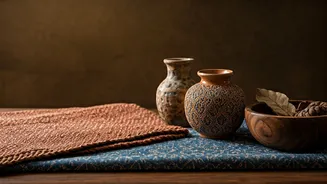
This trend is powered by a growing sense of conscious consumption. Homeowners are more aware than ever of the environmental and ethical implications of their choices. The demand for sustainable materials like terracotta, jute, cane, and reclaimed wood has seen a significant rise. These natural materials not only add an earthy, rustic vibe but also ensure a smaller carbon footprint. Choosing handcrafted decor is also an act of social responsibility. India’s handicraft sector is the second-largest employer after agriculture, and this movement directly supports millions of artisans, preserving generational skills that were at risk of fading away. By opting for a hand-painted Madhubani panel or a Dhokra metal sculpture, consumers are not just buying a product; they are investing in livelihoods and keeping ancient art forms alive.
Weaving Tradition into Modern Homes
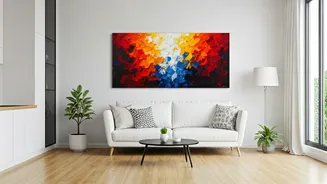
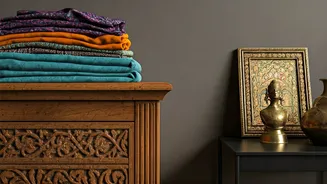
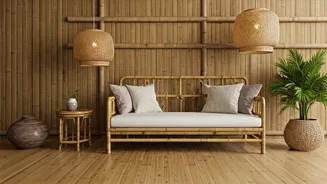
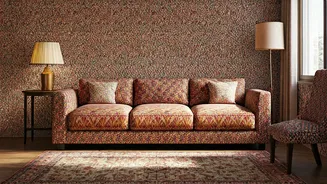
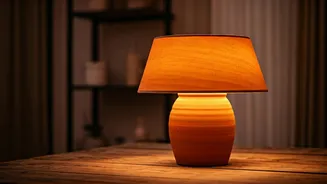
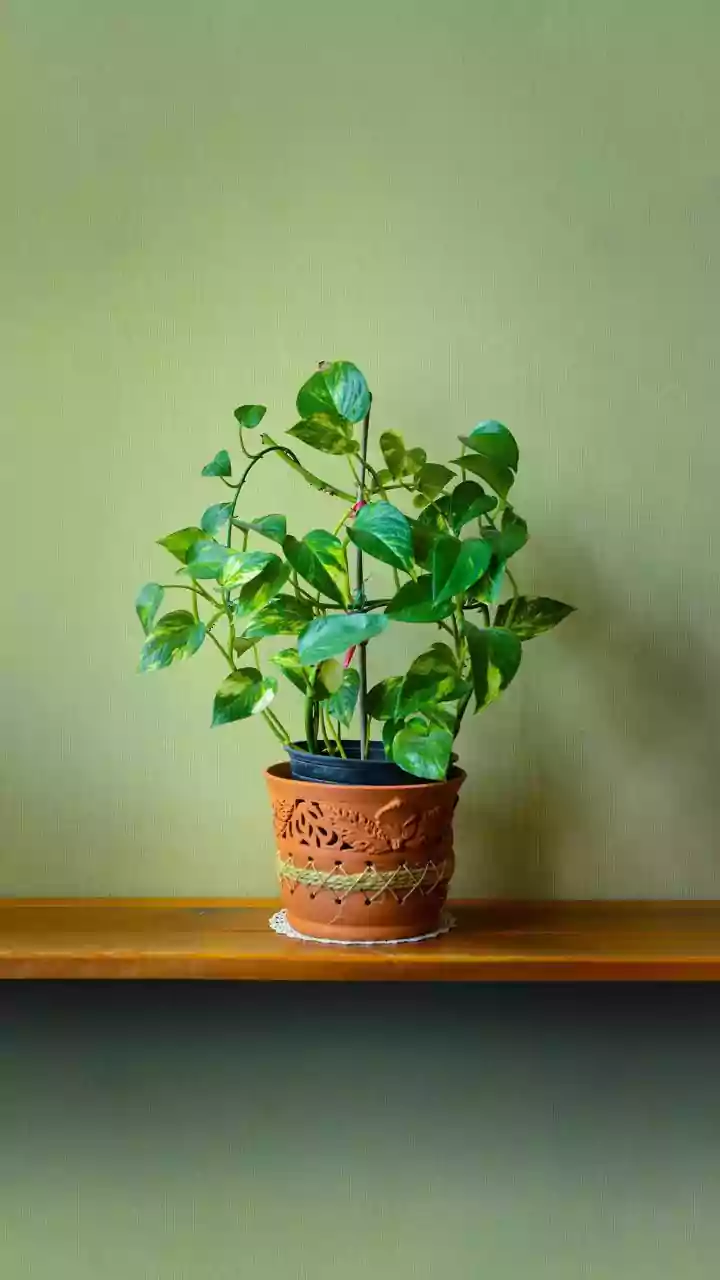
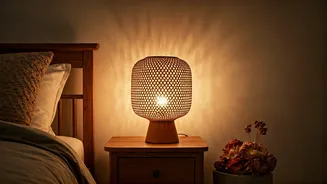
Incorporating artisanal decor doesn't require a complete overhaul. The beauty of this trend lies in its versatility and ability to blend with various styles, from minimalist to bohemian. The key is balance. A single statement piece—a hand-carved jharokha-style frame, a richly patterned block-printed rug, or a handwoven bamboo lampshade—can anchor a room and add a layer of warmth and character. Textiles are one of the easiest ways to embrace this trend. Swapping synthetic cushion covers and throws for handloom fabrics like Ikat, Kalamkari, or Khadi can instantly infuse a space with texture and charm. Similarly, traditional elements like brass urlis, terracotta planters, or tribal art can serve as focal points that spark conversation and add a soulful touch to even the most modern interiors.
More Than Decor, It's a Story
Ultimately, the comeback of artisanal decor is about creating a home that feels like a sanctuary, filled with objects that have meaning. Each handcrafted item carries the artisan's fingerprint, a narrative of its origin, and a connection to a rich cultural lineage. Whether it's a piece of Khurja pottery, a Bastar iron craft figurine, or a mirror framed with Athangudi tiles, these objects bring a sense of history and humanity into our living spaces. This shift reflects a deeper yearning for authenticity in an increasingly digital and globalized world. It’s about celebrating imperfection, valuing the human touch, and curating an environment that is not just seen, but felt. As designers and homeowners alike rediscover these timeless crafts, they are proving that a modern home can also be a home for heritage.