



The Peak of the Selfie Stick
For the better part of a decade, travel was defined by a single act: proving you were there. The vacation selfie became the ultimate currency of social media, a vibrant, if sometimes shallow, testament to a life well-lived. Our feeds filled with identical
shots from the Eiffel Tower, the Taj Mahal, or a Goan beach — the person in the foreground, the famous location reduced to a recognisable backdrop. It was a race to collect digital postcards, each one centred on the self. But a peculiar fatigue has set in. The quest for the perfect, crowd-free shot in an increasingly crowded world began to feel less like a holiday and more like a high-stakes photo assignment. Overtourism, driven in part by this social media pilgrimage, left many popular spots feeling less like discoveries and more like queues. The joy of the experience was being eclipsed by the pressure to document it in a very specific, self-referential way.
The Great Escape Upwards
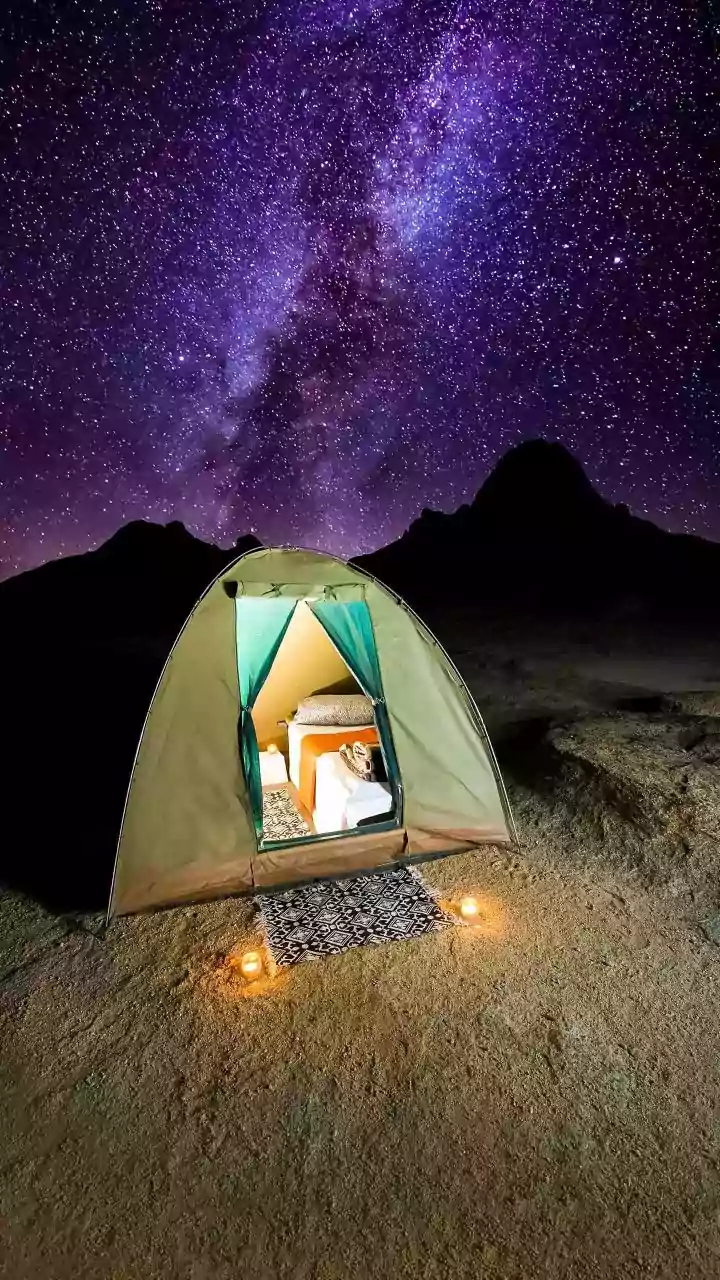
In the wake of a global pause that forced introspection, our travel desires have recalibrated. The search for quiet, open spaces and genuine connection has intensified. This is where the cosmos comes in. Astrotourism, or dark sky tourism, is the antithesis of the selfie-driven holiday. It demands you go where the crowds aren't, where light pollution is a distant memory. It’s a pursuit that is inherently mindful. You can't rush a galaxy. You can't hurry an eclipse. Stargazing forces a quiet contemplation, a humbling recognition of one's place in the universe. It’s a form of wellness travel that doesn't require a spa retreat, offering instead a profound digital detox under a canopy of infinite lights. The goal is no longer to be the centre of the picture, but to witness the picture that has been there all along.
India's New Celestial Hotspots
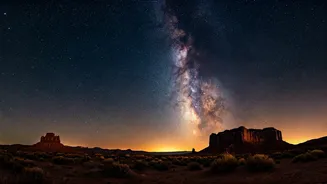
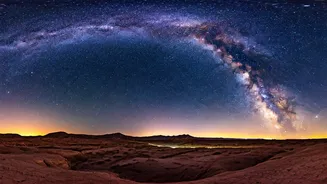
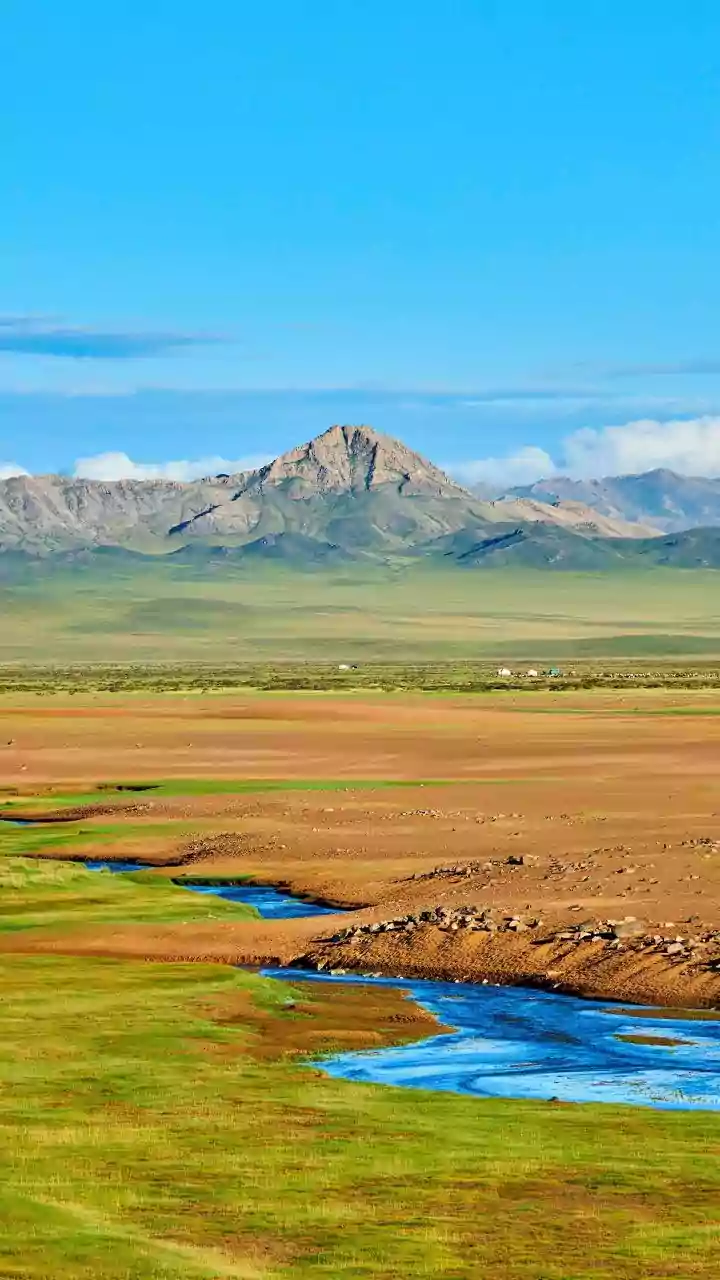
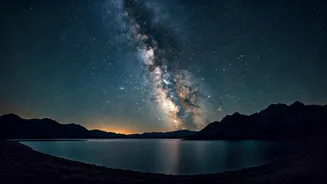
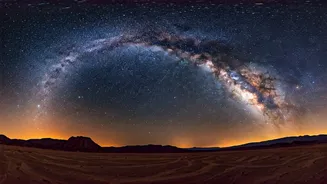
This global trend has found fertile ground in India, a land of geographical extremes that offer pristine windows to the universe. The most significant development is the Hanle Dark Sky Reserve in Ladakh, India's first such designated area. Its high altitude and clear, dry air make it one of the best stargazing sites in the world. But the quest for stars extends beyond Ladakh. The remote, starkly beautiful Spiti Valley in Himachal Pradesh has long been a favourite for amateur astronomers. In the west, the salt flats of the Rann of Kutch in Gujarat offer an ethereal, unobstructed 360-degree view of the night sky. Even closer to urban centres, pockets in Coorg, the Western Ghats, and parts of Rajasthan are being rediscovered by travellers armed with star-charting apps and a longing for cosmic silence. Homestays and local guides are now marketing their clear skies as a primary attraction.
The New Ultimate Travel Brag
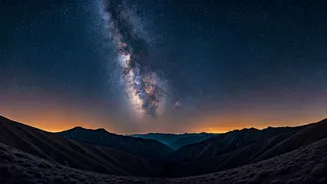
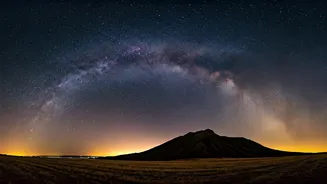
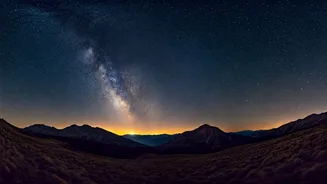
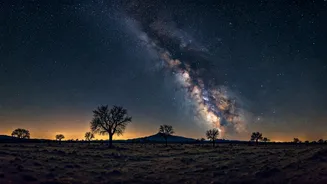
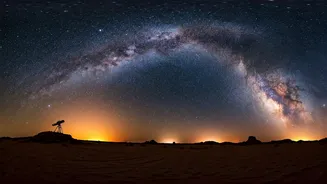
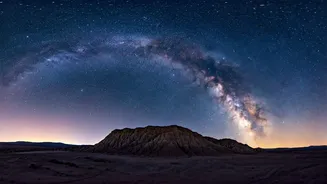
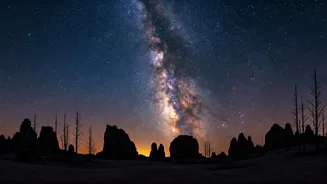
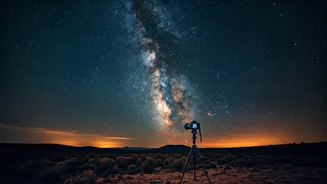
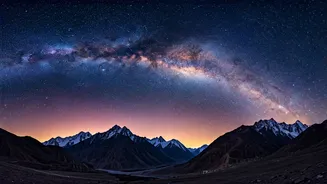
Make no mistake, people are still taking photos. But the astrophoto is a different kind of social currency. A stunning shot of the Milky Way arching over a Himalayan peak isn't a casual snapshot; it’s a trophy. It signifies patience, technical skill (or the hiring of it), and most importantly, access. It says, 'I wasn't just in a place; I was in the *right* place, at the *right* time, far from the madding crowd.' It’s a more subtle, sophisticated form of travel brag. It’s less about 'look at me' and more about 'look where I was able to go.' This new vacation photo is not about capturing one's own face, but about capturing a moment of genuine awe, a difficult-to-achieve experience that can't be replicated in a city studio or a crowded tourist spot.